Exploration of Alternative Markets: Evaluating Opportunities in Crypto Assets and Non-Traditional Investments
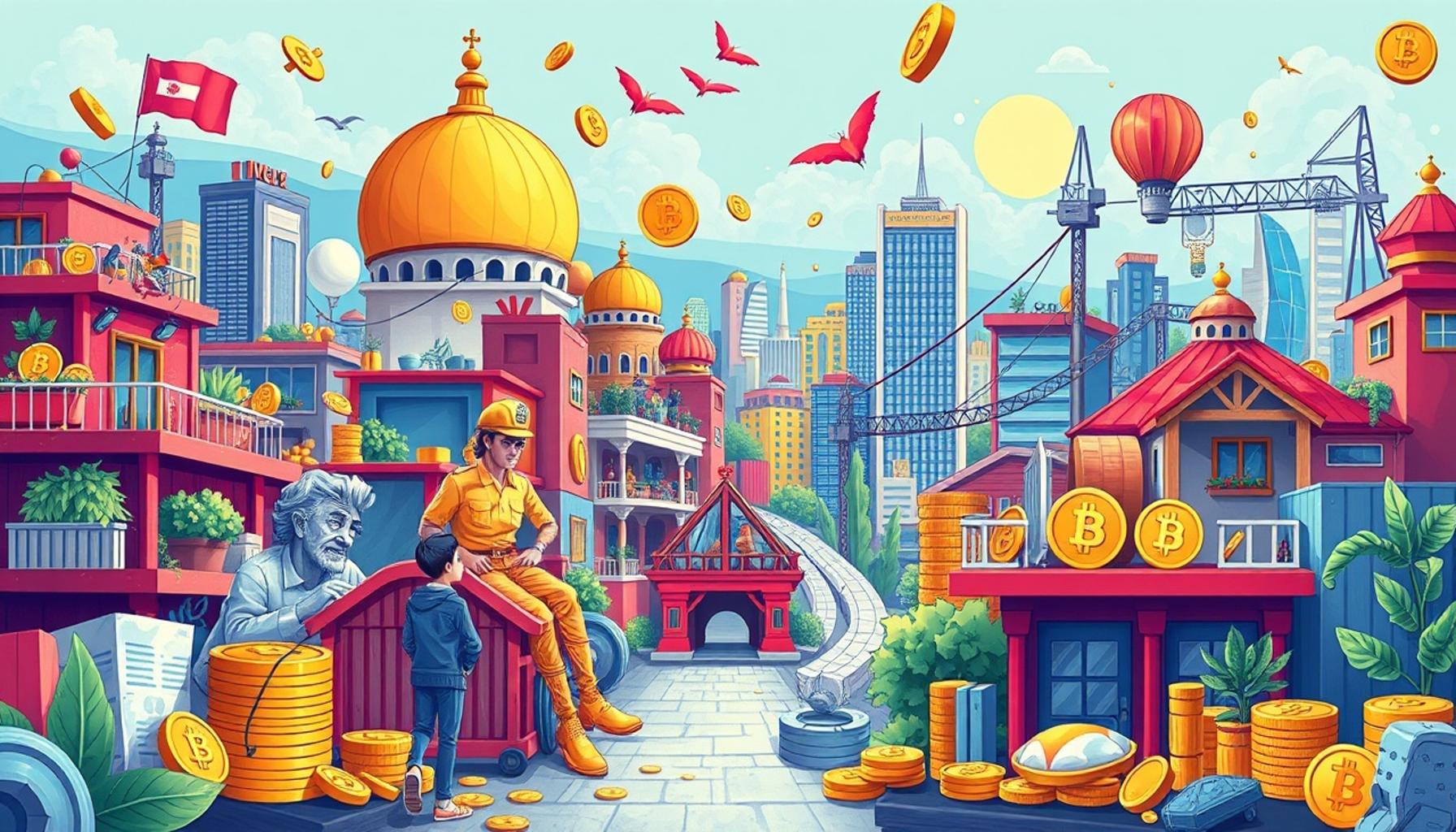
Understanding the Shift Towards Alternative Investments
The investment landscape is evolving at a breathtaking pace. As traditional markets face heightened volatility, many investors are looking beyond conventional asset classes to explore alternative markets. A key player in this arena is the realm of crypto assets, which has sparked a revolution in how value is perceived and exchanged. This transformation has been particularly pronounced since the inception of Bitcoin over a decade ago, now inspiring a myriad of cryptocurrencies and technologies that promise to redefine our financial systems.
With the rise of cryptocurrencies like Bitcoin and Ethereum, opportunities appear limitless. Between 2020 and 2021, for instance, Bitcoin surged from around $7,000 to an astonishing peak of nearly $65,000, leading many early adopters to experience substantial returns. Here are a few reasons why exploring crypto and other non-traditional investments might be worth considering:
- High Potential Returns: The volatility of the crypto market can lead to remarkable short-term gains, making it attractive for investors willing to take on risk. For example, Ethereum’s value has also skyrocketed, with smart contract capabilities paving the way for robust decentralized applications that further enhance its appeal.
- Diverse Options: The world of alternative investments is expansive, including options such as Non-Fungible Tokens (NFTs), which have transformed digital art and collectibles into investable assets. Additionally, decentralized finance (DeFi) platforms allow individuals to lend, borrow, and earn interest on cryptocurrencies, creating vast financial opportunities previously unavailable in traditional finance.
- Resilience Against Inflation: In times of economic uncertainty, many turn to assets like gold to hedge against inflation. Some investors view cryptocurrencies as a modern alternative, arguing that their limited supply can protect against currency devaluation, a sentiment echoed by proponents during recent discussions about inflation rates in the U.S.
However, diving into this thrilling yet complex world requires a strategic approach. As investors, understanding the landscape and assessing risks is crucial when navigating this dynamic market:
- Market Volatility: Crypto markets are notorious for their dramatic price swings. While this volatility presents opportunities for savvy traders, it also poses significant risks. Investors must be prepared for the potential of rapid declines in asset value.
- Regulatory Landscape: The regulatory environment surrounding cryptocurrencies in the U.S. is evolving. Investors must stay informed about governmental policies and potential legislation affecting market operations to mitigate legal risks.
- Technological Knowledge: Familiarity with blockchain technology and its implications is becoming increasingly essential. Understanding how cryptocurrencies function, as well as emerging technologies like smart contracts, can provide investors with a competitive edge.
In this article, we will take a deeper look into these alternative market opportunities, guiding you through evaluations to help you navigate the intricacies of investing in crypto assets and beyond. Whether you’re a seasoned investor or a curious newcomer, the rapidly changing landscape offers numerous paths worth exploring. By arming yourself with knowledge and insights, you can better position yourself to capitalize on the future of investing.
The Rise of Crypto Assets and Their Transformative Potential
In recent years, crypto assets have emerged as a distinct category within the alternative investment landscape, captivating both institutional and retail investors alike. The transformative potential of these digital currencies is evident not only in their remarkable price trajectories but also in the underlying blockchain technologies that facilitate secure and decentralized transactions. With Bitcoin and Ethereum leading the charge, we now witness a proliferation of cryptocurrencies and innovative financial instruments designed to appeal to diverse investor appetites.
But what exactly makes crypto assets so appealing? Some of the driving factors include:
- Decentralization: Unlike traditional currencies, which are governed by central banks and fiduciary systems, cryptocurrencies operate on decentralized networks. This empowers individuals by giving them greater control over their assets and reducing reliance on third-party intermediaries. The promise of a borderless financial ecosystem has captivated many who view decentralization as the key to financial independence.
- Adaptive Investment Strategies: The crypto market is characterized by its unique attributes, enabling novel investment strategies. Investors now have opportunities to participate in activities such as yield farming and liquidity mining, where they can earn returns by providing capital to decentralized platforms. The demand for innovative investment solutions is soaring as traditional tools become less effective in a low-yield environment.
- Accessibility: The barriers to entry for investing in crypto assets are minimal when compared to traditional assets like real estate or stocks. With just a smartphone and an internet connection, individuals can purchase fractional amounts of cryptocurrencies, allowing even small retail investors to participate in the market dynamics that were once reserved for wealthier individuals.
However, the allure of these investments doesn’t come without challenges. Investors must navigate a labyrinthine landscape filled with risks and uncertainties. Among these considerations are:
- Market Manipulation: Crypto markets are often susceptible to manipulation due to lower liquidity in many altcoins compared to established assets. Investors should remain vigilant and informed about pump-and-dump schemes and other fraudulent activities that could jeopardize investment strategies.
- Technological Vulnerabilities: The digital nature of crypto assets makes them prone to hacks and cybersecurity threats. Prominent exchanges have fallen victim to security breaches, resulting in significant financial losses for users. It’s crucial for investors to prioritize choosing secure platforms and implementing robust security measures.
- Market Sentiment: The value of cryptocurrencies is influenced by market sentiment, frequently driven by social media trends, news updates, and influential figures in the space. Understanding market psychology can help investors make more informed decisions—a crucial skill as they traverse the often volatile and speculative world of crypto investments.
As we delve deeper into the alternative markets, the potential for significant returns from crypto assets beckons. Yet, it is paramount for investors to adopt a balanced approach, weighing both opportunities and risks as they explore this new frontier. The upcoming sections will provide a comprehensive analysis of how to navigate these complexities, thus equipping you with the knowledge to make educated investment choices in the rapidly changing landscape of crypto assets and other non-traditional investments.
Exploration of Emerging Opportunities
As the traditional financial landscape continues to evolve, alternative markets offer untapped potential for savvy investors. The increasing interest in crypto assets reflects a shifting paradigm where decentralized finance (DeFi) becomes commonplace. One pertinent focus in this domain is on decentralized exchanges (DEXs), which enable users to trade directly without intermediaries. This method not only enhances privacy but also reduces transaction fees, enlightening opportunities for traders to capitalize on market volatility.Additionally, the rise of non-fungible tokens (NFTs) opens a new frontier in investment and asset management. By tokenizing unique digital assets, NFTs bridge the gap between artistry and profit, granting collectors access to exclusive pieces and potentially lucrative resale markets. Furthermore, platforms promoting fractional ownership of high-value assets democratizes investments, allowing individuals to partake in luxury markets that were previously beyond their reach.Investors are also examining opportunities within traditional commodities such as precious metals and artificial intelligence-driven investments. The integration of technology into these asset classes fosters an environment for precision investing and predictive analytics. This combination of historical commodities with cutting-edge innovation forms a compelling narrative encouraging further exploration.To summarize, the evaluation of opportunities in crypto assets and non-traditional investments is a multifaceted endeavor, beckoning investors to explore the nuances of each category. Staying informed and adaptable to these trends ultimately shapes one’s investment strategy for the future.
| Category 1 | Category 2 |
|---|---|
| Digital Currency | Investing in cryptocurrencies like Bitcoin and Ethereum provides high potential returns but comes with volatility. |
| NFTs | NFTs represent ownership of unique digital assets, creating new opportunities for artists and investors alike. |
Navigating the Terrain of Non-Traditional Investments
As the investment landscape evolves, non-traditional investment options extend beyond the boundaries of crypto assets. These choices—ranging from real estate crowdfunding platforms to collectibles and alternative energy projects—are gaining traction among investors looking to diversify their portfolios. With conventional markets increasingly subject to volatility and economic uncertainty, alternative markets present unique opportunities that can enhance returns and provide a hedge against risks.
One particularly intriguing avenue is crowdfunding in real estate. This approach allows everyday investors to purchase shares in property projects, thus lowering the barriers typically associated with real estate investing. Platforms such as Fundrise and RealtyMogul provide an easy entry point, enabling individuals to participate in a sector that once seemed exclusive to wealthy investors. By pooling resources, small investors can access larger deals and reap the benefits of potential rental income or property appreciation.
Meanwhile, the collectibles market has also seen a resurgence. Items like vintage wine, rare coins, sports memorabilia, and fine art have become alternative stores of value. A growing number of companies offer fractional ownership in high-value items, allowing enthusiasts to invest capital into assets they are passionate about while capitalizing on market trends. For instance, companies like Masterworks allow investors to purchase shares of iconic artworks, thus democratizing access to fine art which historically required significant wealth to acquire.
Furthermore, the rise of sustainable and impact investments is reflective of shifting investor priorities. Investors are increasingly seeking returns that align with their values, leading to a surge in interest in renewable energy, sustainable agriculture, and social enterprises. The Global Impact Investing Network (GIIN) reported that impact investing reached $715 billion in assets under management in 2020, illustrating that a powerful intersection between ethical concerns and profitability is taking place.
However, investing in these alternative markets is not devoid of challenges. For instance, the illiquidity often associated with non-traditional assets can deter investors. Unlike publicly traded stocks, many alternative investments do not offer immediate access to capital, requiring long-term commitment and patience. It is essential for investors to conduct thorough due diligence, ensuring they fully understand the investment horizon, risks, and the financial health of the underlying asset or platform.
Additionally, market education is vital. As these alternative markets are often less regulated than traditional securities, a lack of transparency can lead to varying levels of risk. Investors must educate themselves on the nuances of these investment types and remain updated on emerging trends, regulations, and market shifts. The importance of building a solid foundation of knowledge cannot be overstated, particularly when exploring innovative asset classes that evolve rapidly, such as those found in the cryptocurrency sphere.
In a constantly changing economic landscape, individuals are called to rethink their financial strategies. The exploration of alternative markets—encompassing crypto assets alongside real estate, collectibles, and impact investing—presents a transformative opportunity for savvy investors. Understanding the intricacies of these segments can help facilitate more informed decisions, ultimately expanding potential for wealth creation in an ever-diversifying investment world.
Conclusion: Embracing the Future of Investment Opportunities
As we stand on the precipice of a new era in investing, the exploration of alternative markets reveals a myriad of opportunities that extend beyond the confines of traditional assets. With the rise of crypto assets, crowdfunding for real estate, and an expanding collectibles market, investors today can cultivate diversified portfolios that not only mitigate risk but also potentially enhance returns. This shift signifies more than just a trend; it aligns with a growing need for inclusivity in investing, enabling a broader range of individuals to participate in market growth.
Moreover, the emphasis on sustainable and impact investing reflects a powerful confluence of profitability and ethical responsibility. As investors prioritize aligning their financial strategies with their values, alternative markets offer a pathway to not only achieve financial goals but also foster positive societal change. With impact investments now accounting for a considerable portion of assets under management, it is clear that the future of investing is not solely about financial gain—it is about creating a legacy.
However, navigating these non-traditional investments requires a concerted effort toward education and due diligence. A thorough understanding of the inherent risks, market dynamics, and investment time horizons cannot be overstated. As widespread engagement in these alternative markets continues to grow, investors must equip themselves with knowledge to make informed decisions that align with their financial objectives.
In conclusion, the journey into alternative markets is not just about exploring crypto assets or unique investments; it is about embracing a holistic approach to wealth-building that recognizes evolving economic landscapes. By keeping abreast of innovations and trends, investors can position themselves advantageously, paving the way for a future rich in opportunities and financial growth.
Related posts:
Assessment of Assets in Volatile Markets: Strategies to Minimize Losses and Maximize Gains
The Role of Technology in Market Analysis Transformation: Tools and Innovations
Analysis of the Impact of Climate Change on Investment Opportunities: Risks and Returns in Green Sec...
Impact of Geopolitics on Market Dynamics: Strategies for Investors
The Role of Sentiment Analysis in the Financial Market: How Social Media Influences Investment Decis...
Risk and Return Assessment: Methodologies for Market Analysis in Sustainable Investments

Beatriz Johnson is a seasoned digital lifestyle strategist and green tech writer with a passion for demystifying sustainable technology and eco-conscious living. With over a decade of experience at the intersection of innovation and sustainability, she specializes in topics like smart home solutions, renewable tech applications, and global trends in green digitalization. Through her work on our platform, Beatriz empowers readers to make informed choices about adopting planet-friendly technologies while optimizing their digital lives for both efficiency and environmental impact.