
The Impact of AI on Modern Workplaces
In today’s fast-paced work environment, the relentless demand for productivity has compelled many professionals to seek innovative solutions that can help them navigate an ocean of responsibilities. Enter AI tools, designed to transform how individuals and teams operate by enhancing efficiency and streamlining workflows in unprecedented ways.
Imagine a workplace equipped with smart applications that can:
- Automate repetitive tasks, such as data entry or appointment scheduling, which significantly reduces the time spent on mundane activities.
- Provide insights through data analysis, enabling teams to make informed decisions based on real-time information rather than guesswork.
- Assist in project management by organizing tasks, setting deadlines, and allocating resources effectively, thereby ensuring that projects are completed on time without overwhelming team members.
These functionalities not only reduce the burden on employees but also free them to concentrate on strategic initiatives that drive innovation and growth within their organizations. For example, many firms in Silicon Valley are utilizing AI applications like Asana and Trello that facilitate collaborative project management, ensuring everyone stays on track while minimizing the chaos of micromanagement.
Moreover, companies across the United States are leveraging AI technologies to tap into:
- Natural Language Processing (NLP) to enhance communication, such as through chatbots that offer 24/7 customer support or tools that aid in drafting professional emails, ensuring clarity and engagement.
- Machine Learning algorithms that adapt to user behavior, providing personalized experiences and recommendations, as seen with platforms like Salesforce or HubSpot that cater to sales and marketing needs.
- Predictive analytics to anticipate future trends and business needs, enabling companies to allocate resources more effectively and stay ahead of the competition.
As we delve deeper into the diverse benefits of intelligent applications, it becomes evident that the true power of AI lies in its capacity to integrate effortlessly into existing workflows. By grasping the full potential of these tools, professionals can elevate their productivity to unprecedented levels.
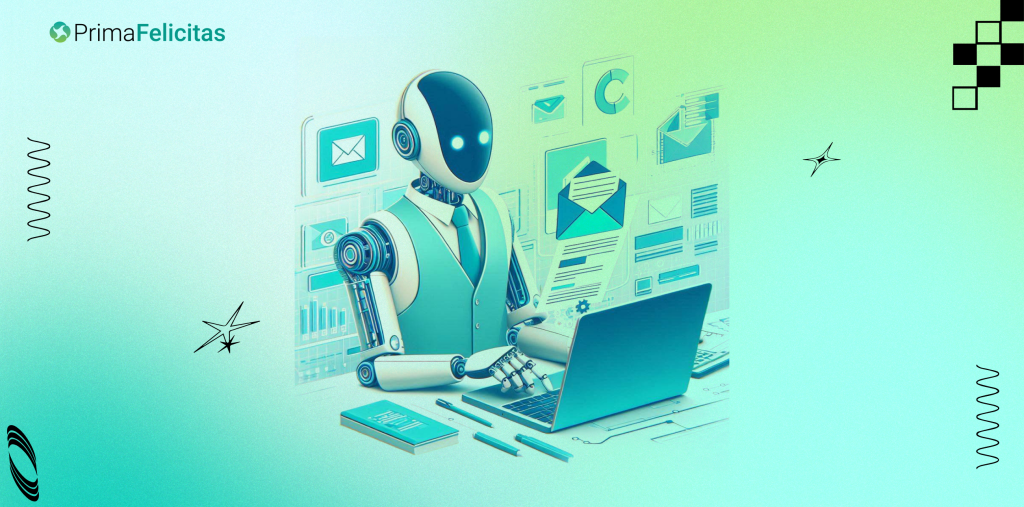
Stay tuned as we explore specific applications that are revolutionizing workplace dynamics and share strategies to help you optimize your daily tasks, ensuring that you not only keep pace with industry changes but also lead the charge towards innovation and efficiency.
DISCOVER MORE: Click here for additional insights
Unlocking the Potential of AI-Driven Applications
The integration of AI tools into daily operations is not merely a passing trend; it is a fundamental shift that redefines how we approach work. As businesses adapt to the demands of an ever-evolving digital landscape, leveraging smart applications becomes increasingly essential for enhancing productivity and ensuring effective workflow management. The key advantages of implementing AI solutions include improving task prioritization, fostering collaboration, and enhancing workload transparency.
One notable area where AI tools excel is in task management. By automating workflow processes, professionals can minimize time spent on routine tasks. For instance, platforms like Monday.com and ClickUp utilize AI algorithms to help users prioritize their to-do lists based on urgency and importance. This functionality allows teams to focus their energy on high-impact tasks, thereby driving substantial improvements in overall performance and project delivery.
Moreover, the collaborative aspect of AI applications cannot be understated. In remote work settings, where communication can often falter, tools like Slack and Microsoft Teams integrate AI-powered chatbots to facilitate real-time collaboration. These applications not only enhance communication but also pull information from various sources, such as calendars and file repositories, ensuring that team members have immediate access to devices and updates. This connectivity drives engagement and decreases the chances of critical information slipping through the cracks.
Another immense advantage of harnessing AI tools lies in their ability to offer data-driven insights. For instance, AI analytics platforms, such as Tableau and Domo, are advancing the capabilities of data visualization and interpretation, allowing businesses to harness large datasets more effectively. By transforming complex data into digestible insights, teams can make better decisions faster, enhancing productivity and agility. This ultimately leads to cost savings and improved outcomes as organizations can pivot quickly in response to emerging trends.
Implementing AI tools can revolutionize the way teams handle feedback and performance assessments. Platforms like Glean and Tally enable real-time survey collection and analysis, giving organizations a pulse on employee satisfaction and project efficacy. By proactively addressing areas of concern, companies can make timely adjustments to strategies and workflows, creating a more cohesive and productive work environment.
As we delve deeper into the realm of AI-driven productivity enhancements, organizations must remain aware of the sheer variety of available tools. To provide a clearer picture, consider the following categories of AI applications that can optimize workflows:
- Project Management Tools: Assist in monitoring project progress and resource allocation.
- Communication Platforms: Facilitate seamless interaction and real-time collaboration among team members.
- Data Analytics Software: Enable organizations to derive actionable insights from vast amounts of information.
- Task Automation Tools: Automate routine tasks, freeing professionals to concentrate on strategic objectives.
As these tools gain traction, the implications for productivity are far-reaching. By successfully implementing AI solutions that align with their specific needs, businesses can unlock efficiencies that were once elusive, positioning themselves competitively in the market.
| Category | Description |
|---|---|
| Automated Task Management | AI tools streamline workflows by automatically organizing tasks, prioritizing urgent ones, and sending reminders. |
| Enhanced Data Analysis | AI applications analyze large datasets rapidly, identifying patterns that aid decision-making and foster productive strategies. |
Harnessing AI tools is redefining productivity across various sectors. With automated task management systems, professionals can say goodbye to the overwhelming chaos of manual organization. These advanced applications not only take the burden off scheduling but ensure that time-sensitive tasks are highlighted, allowing for a sharper focus on critical projects. Moreover, the capacity for enhanced data analysis means that businesses can make informed choices with unprecedented speed. By deploying machine learning algorithms, organizations can quickly dissect complex datasets, drawing actionable insights that promote ongoing improvement and efficiency. This dynamic optimization of workflows is not just a trend; it engenders a foundational shift in how industries will operate in the near future. By integrating these smart applications, you can unlock levels of productivity previously thought unattainable. With the continuous evolution of AI, staying informed and adaptable is essential for anyone keen on maximizing their potential in the workplace. Explore these innovations further to truly transform your productivity landscape!
DISCOVER MORE: Click here for additional insights
Transforming Workflows with AI-Enhanced Solutions
As enterprises delve deeper into the world of artificial intelligence, harnessing the right tools can significantly redefine productivity paradigms. Beyond just simple automation, today’s AI applications are built with advanced functionality to not only streamline operations but also enhance team dynamics and individual performance. To truly understand the impact, we must explore practical applications of these tools across various aspects of workflow optimization.
One of the most compelling features of AI tools is their ability to assist in time management. Applications like RescueTime and Timely utilize AI algorithms to track how users spend their time throughout the day. By analyzing behavior patterns, these tools provide insights about inefficiencies, enabling users to allocate their time more wisely. Imagine receiving a weekly report detailing how many hours were dedicated to productive activities versus distractions; this transparency can serve as a powerful motivator for professionals striving to be more efficient.
Moreover, the integration of AI in customer relationship management (CRM) systems has drastically transformed the way organizations engage with their clients. Tools such as Salesforce Einstein leverage AI to analyze customer interactions and predict future behavior. This enables sales teams to tailor their approaches based on data-driven insights, leading to enhanced customer experiences and better conversion rates. As competition intensifies, companies leveraging AI-driven CRM tools are poised to build stronger relationships with their customers and maximize their sales potential.
The future of remote work is also being shaped by AI applications designed to enhance team productivity. With tools like Trello and Asana integrating AI-driven suggestions, teams can now manage projects with improved agility. These platforms not only simplify task assignments but also analyze project timelines to recommend optimal workflows, minimizing bottlenecks and aligning resources efficiently. By employing AI in project management, teams gain the flexibility to adapt to changing demands while keeping their projects on track.
Additionally, organizations are leveraging AI for knowledge management through applications such as Notion and Confluence, which combine documentation and collaboration features powered by AI. These tools can automatically categorize and summarize information, ensuring that critical resources are readily accessible. This streamlining of knowledge management fosters a culture of continuous learning where team members can share insights and collaborate effectively without sifting through endless repositories of data.
Furthermore, AI-driven virtual assistants like Google Assistant and Microsoft’s Cortana are making their mark by helping professionals manage their schedules more effectively. These AI applications can automate meeting setups, send reminders, and even suggest optimal meeting times that accommodate participants’ preferences. By reducing the administrative burden of scheduling, AI ensures that professionals can dedicate more time to high-value activities that drive success.
As AI continues to evolve, organizations are discovering new avenues for implementation. Investing in custom AI solutions tailored to specific operational needs allows companies to remain agile and adaptive in their workflows. Startups and established businesses alike should consider the unique challenges they face and seek AI tools that align with their strategic goals, thereby revolutionizing their productivity.
In this rapidly advancing landscape of AI tools, the key to success lies in understanding how to select and implement the right applications that fit your operational needs. By doing so, organizations not only improve efficiency but also create an environment ripe for innovation and collaboration.
DON’T MISS OUT: Click here for more insights
Conclusion: Embracing the AI Revolution for Enhanced Productivity
In summary, the integration of AI tools into the workplace has the potential to revolutionize productivity by providing tailored solutions that optimize workflows. As we’ve explored, intelligent applications are not merely enhancing time management or project oversight; they are fundamentally reshaping how organizations operate in a competitive landscape. From advanced CRM systems that foster deeper customer connections to AI-driven project management tools that adapt to team dynamics, the possibilities are vast.
Moreover, as remote work continues to gain traction, these smart applications create avenues for enhanced collaboration and knowledge sharing. By leveraging AI-enhanced virtual assistants and knowledge management systems, companies can alleviate administrative burdens and promote a culture where innovation thrives. The ability to analyze large volumes of data and generate actionable insights means businesses can stay ahead of the curve while maximizing their resources.
To harness the true potential of AI tools, organizations must not only adopt the latest technologies but also engage in continuous learning and adaptation. This proactive approach will allow them to remain agile, ensuring that they can tackle current challenges while preparing for future demands. For businesses looking to stay relevant and productive, investing in customized AI solutions is no longer a mere option; it is becoming a critical necessity.
As we navigate this exciting AI-driven era, the call to action is clear: explore, implement, and optimize your workflow with AI applications that resonate with your operational needs. The future of productivity is within reach, and those who embrace it will undoubtedly reap the benefits of an innovative and efficient work environment.
Related posts:
Top Apps for Time Management: Organize Your Life with Smart Tech
Organize Your Life: The Best Apps to Streamline Your Daily Tasks
Unlocking Efficiency: Best Apps to Organize Your Life and Manage Your Time
Remote Work Revolution: Essential Apps for Enhancing Efficiency and Collaboration
Unlocking Remote Work Potential: Essential Apps That Streamline Collaboration and Task Management
Maximize Your Productivity: Best Free AI Tools for Time Management

Beatriz Johnson is a seasoned digital lifestyle strategist and green tech writer with a passion for demystifying sustainable technology and eco-conscious living. With over a decade of experience at the intersection of innovation and sustainability, she specializes in topics like smart home solutions, renewable tech applications, and global trends in green digitalization. Through her work on our platform, Beatriz empowers readers to make informed choices about adopting planet-friendly technologies while optimizing their digital lives for both efficiency and environmental impact.