How minimalist space design can optimize efficiency at home and in the office
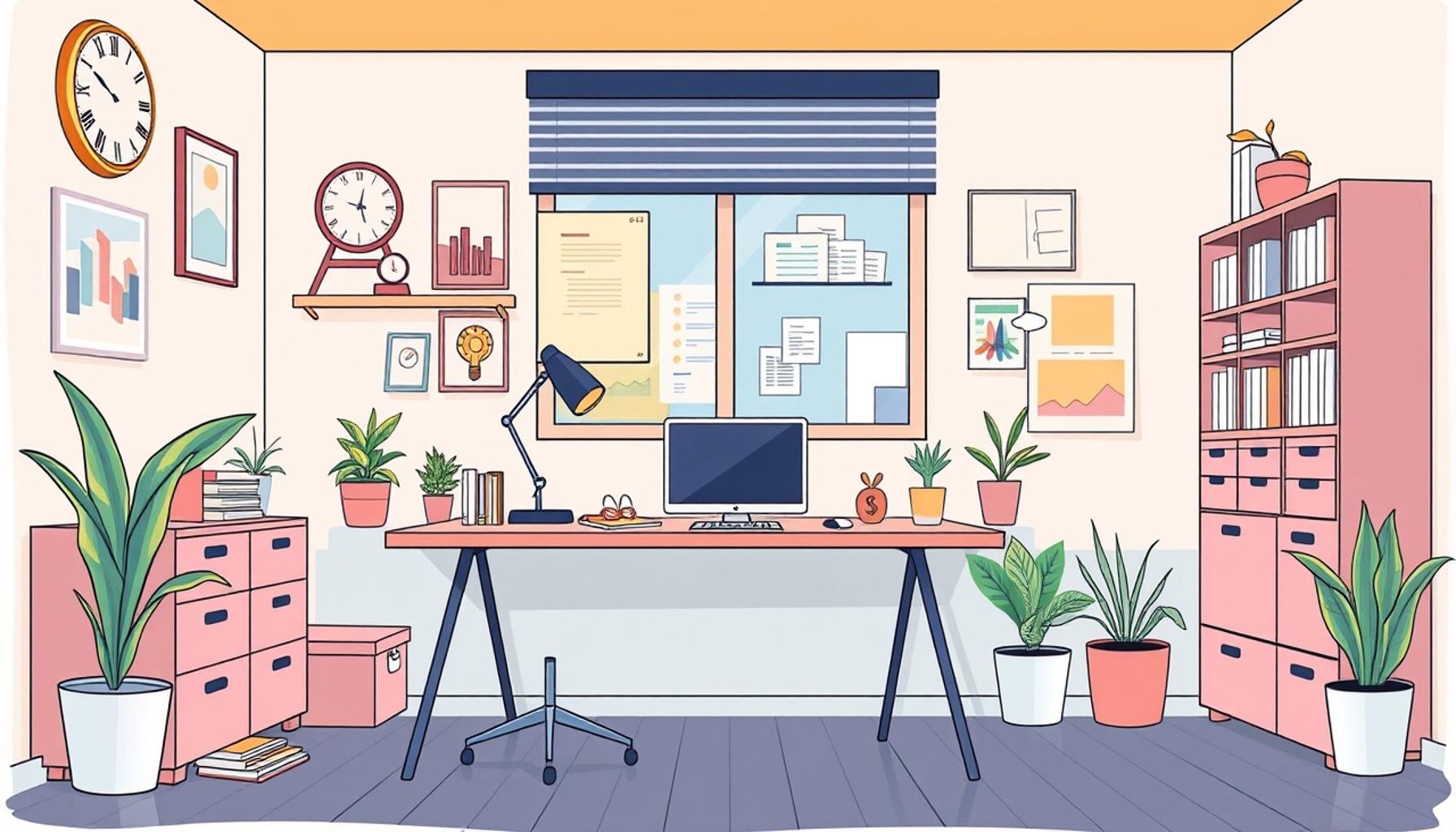
Streamlining Spaces for Enhanced Productivity
In an age dominated by an overload of stimuli—from constant notifications on our devices to the clutter in our physical environments—the concept of minimalist space design has garnered significant attention. This design philosophy emphasizes simplicity, functionality, and a keen focus on essential elements. Individuals and organizations are increasingly recognizing how these principles can serve to enhance productivity, allowing for better focus and clarity in their lives.
One of the primary benefits of adopting a minimalist design is the dramatic reduction of clutter. Clutter can be visually distracting and mentally exhausting; a clean, well-organized space helps to promote clearer thinking. For instance, studies suggest that environments devoid of excessive decorations and disorganized materials can significantly improve one’s ability to concentrate and think critically. A tidy desk, stripped of unnecessary items, can lead to an immediate boost in cognitive performance and creativity.
Equally important is how minimalist design increases organization. Minimalism encourages the thoughtful placement of essential items, ensuring they are easily accessible. For example, in a minimalist home office, every item, from stationery to tech gadgets, has a designated spot that maximizes efficiency. This intentional organization means less time is wasted searching for tools, allowing you to dedicate more effort towards important tasks.
Another appealing aspect of minimalist aesthetics is its ability to enhance overall aesthetic appeal. A visually pleasing environment can uplift spirits and inspire productivity. Think of the effect of a spacious, well-lit living room bathed in natural light, punctuated by a few well-chosen pieces of furniture and artwork. This type of design not only speaks to the eyes but also cultivates a positive atmosphere conducive to both relaxation and work.
Elements of a Minimalist Design
Transitioning to minimalist design can be further facilitated by focusing on several key elements:
- Neutral colors: Using soft, muted tones such as whites, grays, or earth hues can promote a sense of calmness and concentration. These colors often serve as a backdrop that enables other elements of a space to shine without overwhelming the senses.
- Functional furniture: Furniture should serve a purpose while also being comfortable. Multi-functional pieces, like a sleek sofa bed or an expandable dining table, allow spaces to remain versatile without crowding the area. This can be especially important in urban settings where space is often at a premium.
- Layered lighting: Incorporating various light sources can address different needs throughout the day. Bright task lighting can be paired with softer ambient lights for relaxation, allowing a single space to adapt effortlessly to the multitude of tasks we engage in throughout our daily lives.
As you delve deeper into the transformative impact of minimalism, you’ll discover various strategies and tools that can help in cultivating environments that promote focus and productivity. Whether in a bustling office or a cozy domestic space, adopting minimalist design principles can be a powerful way to streamline your environment and enhance your daily experiences. Exploring this approach not only leads to more efficient use of space but can also open the door to a more intentional, fulfilling way of living and working.
DISCOVER MORE: Click here to learn about how organization can boost your mental health
Creating Functional Environments Through Minimalism
Minimalist space design transcends mere aesthetics; it is a functional approach that seeks to enhance efficiency not just at home but in the workplace as well. By emphasizing the importance of intentionality in how we curate our environments, minimalist design becomes a tool for promoting productivity and focus. One core principle of minimalism is the art of essentials prioritization—distinguishing between what is necessary and what merely fills space. This mindset encourages a deeper understanding of our environments and how they affect our daily productivity.
To fully appreciate the benefits of minimalist design, one must consider the dual impacts of physical and mental decluttering. In homes where space is often shared among family members, a minimalist approach encourages collaboration on space organization. For instance, removing items that do not contribute to daily functions frees up space for activities such as family meals or shared hobbies. This not only creates a more pleasant living environment but also fosters a sense of unity. In a home office setting, eliminating visual distractions can lead to a marked improvement in focus, resulting in quicker task completion and heightened creativity; a study done by the University of Michigan found that clear workspaces can bolster cognitive functioning by up to 30%.
In the workplace, these principles become even more pertinent. A minimalist office design—characterized by open spaces, fewer partitions, and ergonomic furniture—encourages collaboration and reduces work-related stress. By creating a unified space that is free from unnecessary embellishments, businesses can promote a culture of openness and communication. Furthermore, employees report feeling more inspired and driven in a decluttered environment. A survey from a leading design firm found that 62% of workers are most productive in minimalist settings, with many citing fewer distractions as a key factor.
Transformative Strategies for Minimalist Design
For those looking to adopt a minimalist approach, several actionable strategies can be implemented to transform both home and office spaces:
- Declutter Regularly: Set aside time each month to evaluate your belongings. Dispose of or donate items that do not serve a clear purpose in your daily activities.
- Embrace Multi-use Solutions: Choosing furniture that serves multiple functions can maximize space utility. For example, a desk with built-in storage can reduce clutter while providing a streamlined workspace.
- Mindful Decor: Select a few carefully chosen decorative elements that hold personal significance or inspire motivation. This allows for personalization while maintaining a clean aesthetic.
- Utilize Digital Solutions: In an increasingly digital world, leveraging technology to manage tasks and schedules can reduce physical paper clutter, leading to a tidier workspace.
As you implement these strategies, you may find that minimalist design transcends mere organizational benefits. By thoughtfully curating your environment, you can create spaces that not only look good but also feel good, ultimately optimizing your efficiency both at home and in the office. Embracing minimalism can pave the way for a more focused, intentional lifestyle, yielding benefits that extend well beyond physical surroundings.
In exploring how minimalist space design can optimize efficiency at home and in the office, it’s essential to delve into the critical aspects that contribute to its effectiveness. One significant advantage is the reduction of clutter. By adopting a minimalist approach, individuals can create an environment that fosters clarity and focus. This environment encourages productivity as less visual and physical clutter means fewer distractions. Research shows that a clutter-free space can improve concentration and enhance the ability to complete tasks efficiently.Moreover, minimalist design promotes better organization. With fewer items vying for attention, it becomes easier to designate specific areas for certain functions. This not only saves time but also creates a harmonious workspace that can influence creativity positively. For instance, having a dedicated area for brainstorming or meetings reflects clarity in purpose, allowing for seamless transitions between tasks.Additionally, the emotional impact of minimalist spaces cannot be overlooked. A well-organized, serene environment can significantly reduce stress levels, making it easier to remain balanced throughout the day. This is particularly beneficial in high-pressure office settings where maintaining a calm demeanor is crucial for performance.It is also worth noting that minimalist design incorporates sustainability. By choosing fewer but higher-quality items, individuals can contribute to reducing waste. Sustainable materials and designs not only promote environmental awareness but can also bring a sense of fulfillment and responsibility to the workspace.Encouraging flexibility, minimalist designs allow spaces to be more adaptable. A living room that seamlessly transitions into a workspace can enhance functionality, especially in home offices where space is often limited. This fluidity encourages users to maintain a balance between work and relaxation, which is paramount for mental well-being.Investing in minimalist space design not only elevates aesthetics but fundamentally modifies the interaction individuals have with their environments, ultimately leading to increased efficiency at home and in the office. This approach opens the door to exploring innovative ways to utilize space and integrate personal preferences, making it a compelling choice for anyone looking to optimize their surroundings effectively. How minimalist space design yields such transformative benefits is a topic worthy of deeper exploration, as it touches upon psychological, emotional, and practical dimensions of our daily lives.
DIVE DEEPER: Click here to discover the connection between space and mental well-being
Enhancing Mental Clarity and Well-being through Minimalism
Beyond the tangible benefits of decluttering, minimalist space design plays a pivotal role in enhancing mental clarity and overall well-being. Psychologists assert that our environments significantly influence our mental state; overcrowded spaces can contribute to feelings of anxiety and overwhelm. By adopting a minimalist approach, individuals can foster a serene atmosphere that promotes relaxation and focus. Research suggests that a minimalist environment can lead to decreased stress levels, with a study published in the journal *Environment and Behavior* indicating that individuals in minimalist spaces reported lower levels of anxiety and greater cognitive ease.
For those working from home, particularly in the wake of the pandemic, a tailored minimalist design can create a distinct boundary between work and personal life. A defined physical space dedicated solely to work enhances the mental association of productivity, signaling to the brain that it’s time to focus. Implementing simple design strategies—such as a well-placed desk away from high-traffic areas or using calming colors like soft blues and earthy tones—can enhance one’s ability to concentrate, allowing for more efficient completion of tasks. A report from the American Psychological Association found that environmental design could yield productivity increases of between 10% and 20%, showcasing the undeniable link between workspace aesthetics and output.
The Role of Natural Elements in Minimalist Design
Another transformative component of minimalist space design is the incorporation of natural elements. Biophilic design—an approach that seeks to connect people with nature—has gained traction in recent years. Research indicates that natural elements, such as plants and natural light, can elevate mood and improve cognitive performance. For instance, a study conducted by the University of Exeter revealed that office workers surrounded by plants experienced a 15% boost in productivity, highlighting nature’s soothing and revitalizing influence. Integrating greenery into minimalist homes and offices not only beautifies the space but can lead to a noticeable uptick in creativity and employee well-being.
The Impact of Color and Light
The utilization of color and light within minimalist space design is critical for optimizing productivity. Light influences our circadian rhythms and, when utilized effectively, can enhance focus. Natural light is particularly valuable; studies show that exposure to daylight increases alertness and regulates sleep patterns, which can significantly improve overall work efficiency. Additionally, choosing a minimalist color palette that employs neutral tones for larger surfaces can create an open ambiance, reducing visual noise and allowing users to concentrate more effectively.
- Soft Whites and Grays: These colors can enhance clarity and create a peaceful environment, reducing distractions and promoting calm.
- Accent Colors: Using strategically placed pops of color can energize the atmosphere without overwhelming the senses. This can help infuse a space with vibrancy while maintaining a minimalist aesthetic.
As more people and organizations recognize the profound impacts of design on efficiency and mental well-being, the movement towards minimalist space design continues to gain momentum. By embracing the principles of minimalism—prioritizing functionality, incorporating natural elements, and utilizing light and color strategically—individuals can create a harmonious environment that not only maximizes productivity but also nurtures a sense of calm and focus, making it an essential consideration for both home and office settings.
DIVE DEEPER: Click here to discover the link between organization and mental well-being
Conclusion: The Transformative Power of Minimalist Design
In an era where efficiency and mental well-being are increasingly intertwined, the adoption of minimalist space design stands out as a compelling solution for both home and office environments. By consciously choosing to strip away excess and focus on functionality, individuals can create spaces that not only promote productivity but also enhance mental clarity and emotional stability. The integration of natural elements, effective use of light, and a thoughtfully selected color palette pave the way for a visually calm and inspiring atmosphere.
The evidence is clear: minimalism can significantly reduce feelings of anxiety while boosting cognitive performance and overall efficiency. For instance, the incorporation of plants can yield productivity increases of up to 15%, while well-lit spaces can enhance focus and alertness. As more individuals and organizations strive to optimize their environments, minimalist design emerges as an essential framework, nurturing mental health while maximizing output.
Embracing minimalism is about more than just aesthetics; it’s a holistic approach to designing environments that empower us. Whether it’s reimagining a cluttered home office or crafting a serene living space, the principles of minimalism invite us to create not only functional spaces but also sanctuaries for our minds. As we move forward, let us consider how the thoughtful design of our environments can lead to a more balanced, productive, and fulfilling life.
Related posts:
Efficient Digital Organization Systems: Minimalism in the Information Age
Minimalist Strategies to Optimize Work Processes and Reduce Mental Overload
The relationship between minimalism, efficient systems, and increased creativity in work environment...
How to Create a Minimalist Environment that Fosters Efficient Productivity Systems
The influence of minimalism on the creation of efficient systems for time management
Minimalism in Decision Making: Creating an Efficient System to Simplify Daily Choices

Beatriz Johnson is a seasoned digital lifestyle strategist and green tech writer with a passion for demystifying sustainable technology and eco-conscious living. With over a decade of experience at the intersection of innovation and sustainability, she specializes in topics like smart home solutions, renewable tech applications, and global trends in green digitalization. Through her work on our platform, Beatriz empowers readers to make informed choices about adopting planet-friendly technologies while optimizing their digital lives for both efficiency and environmental impact.