Transforming Outdoor Spaces: Space Optimization Strategies in Minimalist Gardens and Balconies
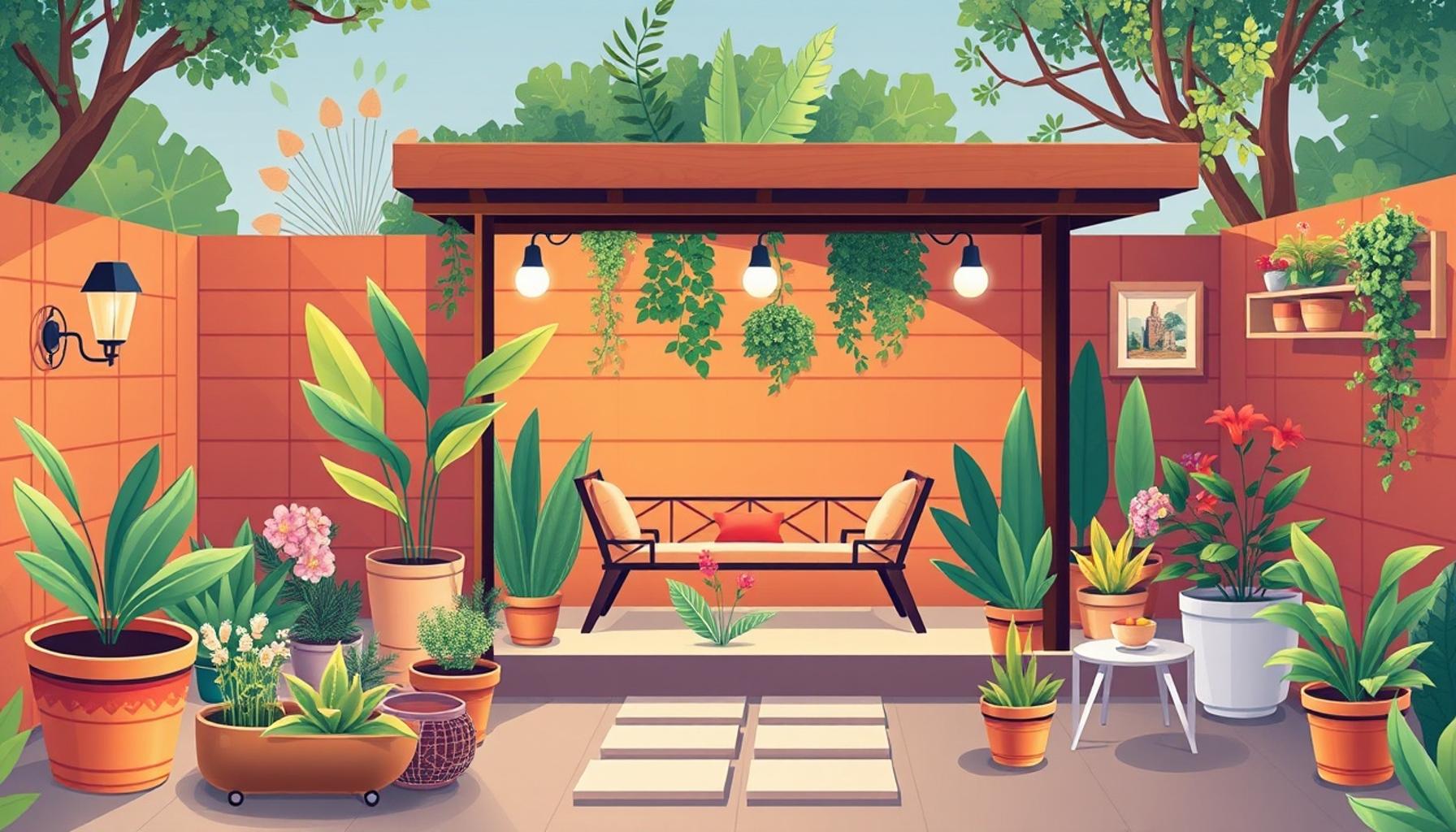
Understanding Minimalist Gardens and Balconies
Urban environments can often feel overwhelming, with the concrete landscape limiting our connection to nature. However, the increasing popularity of minimalist gardens and balconies offers a refreshing solution to this dilemma. These small outdoor spaces can be transformed into tranquil escapes that not only add beauty but also provide a functional area for relaxation, gardening, or entertaining.
A significant aspect of minimalist gardens is their ability to create an illusion of space. Selecting a color palette that incorporates light hues—such as soft whites, pastels, or gentle greens—can open up these compact areas. These colors reflect light, making the space appear larger and more inviting, which is particularly beneficial in urban settings where walls can feel confining.
Maximizing Space with Vertical Solutions
Vertical gardening is an innovative method that can dramatically enhance the aesthetics and usability of small patios and balconies. By using wall-mounted planters, trellises, or vertical garden systems, you can bring lush greenery to vertical surfaces. These setups not only free up valuable floor space but also create a striking visual impact. For instance, a simple trellis adorned with climbing jasmine can provide both privacy and fragrance, turning an ordinary balcony into a verdant oasis.
Functional Furniture and Layouts
Another key to successfully designing minimalist gardens is incorporating multi-functional furniture. For example, a bench that doubles as storage can help you declutter while offering seating for guests. Tables that fold out when needed or stackable chairs are also great options for maximizing space without compromising style. The effectiveness of your outdoor area can also be significantly enhanced through smart layouts. Arranging furniture and plants in a way that promotes flow and accessibility can elevate the overall experience, permitting easy movement and a feeling of openness.
Container gardening is an essential strategy in minimizing gardens, allowing you to cultivate a variety of plants seasonally while occupying minimal ground space. Opt for pots of different heights and sizes to create visual interest, and consider mobility—wheeled pots can be repositioned easily based on sunlight and seasonal changes.
Creating Ambiance and Safety
A well-thought-out lighting scheme is crucial for evenings spent outdoors. Outdoor lighting, such as string lights, lanterns, or solar-powered fixtures, can enhance the ambiance, making the garden a cozy retreat after sundown. Additionally, proper lighting ensures safety, illuminating pathways and steps, which is particularly important in smaller, tighter spaces where navigating can be tricky.
Incorporating these strategies allows anyone to transform seemingly uninviting outdoor areas into flourishing spaces that are not just aesthetically pleasing but also serve practical purposes. Whether you’re nestled in a bustling city like New York or a calmer suburban area, embracing these minimalist principles can help you achieve that coveted balance between nature and urban living. Stay tuned for more innovative ideas and tips to elevate your minimalist garden or balcony project to the next level.
DIVE DEEPER: Click here to discover the connection between space and your mental well-being
Embracing Nature Through Thoughtful Design
Minimalist gardens and balconies offer an extraordinary opportunity to reintroduce nature into our lives without overwhelming the space. In the hustle and bustle of urban living, creating a peaceful and functional outdoor area is not just beneficial; it is essential for our well-being. By adopting space optimization strategies, these small outdoor spaces can serve as esteemed retreats, where simplicity harmonizes with nature, providing calm amidst the chaos.
One way to enhance the experience of a minimalist outdoor area is by implementing color theory. The use of a cohesive color palette not only contributes to aesthetic appeal but also influences mood. Consider shades like muted pastels, soft blues, and earthy tones. These colors can evoke a sense of tranquility and expand the perception of space. Simple white accents, such as planters or chairs, can draw attention to lush greenery, accentuating the connection with nature and further enhancing the serene atmosphere.
Incorporating Natural Elements
Integrating natural elements into minimalist gardens and balconies significantly contributes to creating a peaceful setting. Here are a few strategies to incorporate these elements:
- Rock Gardens: Using pebbles or stones can create a zen-like atmosphere, reducing maintenance while promoting a sense of calm.
- Natural Wood Features: Furniture and planters made from reclaimed wood not only look beautiful but also age gracefully, adding character to the space.
- Water Features: A small, self-contained water feature or even a miniature fountain can introduce a soothing auditory element that helps mask urban noise.
Moreover, biophilic design—the idea that humans have an inherent need to connect with nature—can be successfully applied in these spaces. By introducing elements such as living walls or even indoor plants that can spill over to outdoor spaces, residents can enhance their sense of connection to the environment. This connection is increasingly recognized as vital for mental health, providing a gentle reminder of the natural world right at one’s doorstep.
Strategic Plant Selection
Selecting the right plants is crucial in optimizing the space effectively. In minimalist gardens, it’s wise to prioritize low-maintenance plants that thrive in limited soil volumes and adapt well to varying sunlight conditions. Here are some popular options:
- Succulents: Resilient and available in various shapes and sizes, they are ideal for adding texture without requiring excessive water.
- Herbs: Plants like basil, rosemary, and thyme not only add greenery but can also be harvested for culinary uses.
- Perennials: Choosing perennial plants reduces planting effort and offers consistent color across seasons without needing complete replanting each year.
Implementing these strategies fosters a balance of visual appeal and functionality, transforming outdoor areas into inviting escapes. By being thoughtful about design elements, color schemes, and plant selections, anyone can turn their compact outdoor space into a sanctuary that reflects their style while embracing the beauty of nature.
| Space Enhancement | Advantages of Minimalist Design |
|---|---|
| Vertical Gardening | Maximizes planting area while minimizing ground space usage. |
| Multi-functional Furniture | Transforms balconies into versatile spaces for relaxation and entertaining. |
| Smart Plant Selection | Opting for low-maintenance plants enhances the aesthetic without the upkeep burden. |
| Integrated Lighting Solutions | Creates ambiance while enhancing safety and usability of outdoor areas at night. |
By introducing concepts such as vertical gardening, homeowners can cultivate a lush environment even in limited spaces. This technique not only utilizes walls or fences but also enhances privacy and creates stunning visual effects. Pairing this with multi-functional furniture allows balconies to serve multiple purposes, providing solutions for both lounging and entertaining without overwhelming the space. Additionally, selecting smart plant varieties can transform even the smallest gardens into vibrant retreats without the stress of high maintenance demands. Incorporating integrated lighting solutions can elevate these spaces, allowing them to be enjoyed both day and night, while amplifying safety. These strategies collectively yield a cohesive design, maximizing both functionality and aesthetics in the quest for an optimized outdoor sanctuary.
DISCOVER MORE: Click here to learn about the psychology of space
Maximizing Functionality with Smart Layouts
When it comes to minimalist gardens and balconies, achieving an optimal layout is key to enhancing functionality without sacrificing aesthetics. Smart spatial arrangement can transform these intimate spaces into multifunctional retreats. By prioritizing how the space is utilized, individuals can create areas for relaxation, socializing, or gardening that cater to their needs.
Multi-Purpose Furniture
Investing in multi-purpose furniture is a fundamental strategy for space optimization. For instance, benches with hidden storage can house gardening tools or cushions, making it easier to maintain a tidy atmosphere. Folding tables and chairs can effortlessly transition outdoor dining into an open lounge area, accommodating small gatherings without consuming space. Additionally, choosing furniture with lightweight designs can encourage flexibility, allowing for easy rearrangement based on the occasion.
- Ottomans: These can serve as seating or be used as a small table for snacks and drinks when entertaining.
- Wall-Mounted Planters: Utilizing vertical space not only adds greenery but also frees up floor space for movement.
- Convertible Seating: Some benches can be transformed into beds for sunbathing, enabling the outdoor space to shift with the whims of the day.
Vertical Gardening Techniques
Vertical gardening is a game-changer for those with limited space. It not only optimizes the available area but also adds height variation, which can create an illusion of depth. Innovative solutions like vertical trellises, wall-mounted shelves, and hanging pots allow for a lush display of flora while maintaining a minimalist approach.
For those interested in growing vegetables or herbs, vertical gardens can be particularly rewarding. Hydroponic systems and wall planters enable growers to cultivate robust crops such as lettuce, strawberries, and even tomatoes. These systems conserve space and water, all while producing homegrown food that enhances the connection to nature.
Lighting for Ambiance
Lighting plays a pivotal role in transforming minimalist outdoor environments, affecting not only the atmosphere but also the usability of these spaces after sunset. Employing a mix of ambient, task, and accent lighting can create layers that enhance both function and enjoyment.
- String Lights: These add a cozy glow and can be artistically draped across railings or trees, providing a whimsical yet elegant touch.
- Solar Garden Lights: Eco-friendly options highlight pathways or plants, enhancing visibility while being energy-efficient.
- Spotlights: Use strategically placed spotlights to draw attention to beautiful features, such as sculptures or unique plants, creating focal points even in small areas.
Ultimately, the integration of thoughtful layouts, multi-functional furniture, vertical gardening, and creative lighting can significantly elevate minimalist gardens and balconies. These elements work synergistically to create inviting spaces that reflect individual style while fostering an intimate connection with nature. By employing these strategies, urban dwellers can transform their outdoor retreats into functional sanctuaries, opening pathways to a more harmonious lifestyle in sync with the environment.
DIVE DEEPER: Click here to discover the connection between space and mental wellness
Conclusion: Embracing the Art of Minimalism in Outdoor Spaces
In an era where urban spaces continue to shrink, the need for transformative outdoor solutions has never been more essential. The strategies explored—from smart layouts and multi-purpose furniture to vertical gardening techniques and effective lighting—demonstrate that even the tiniest balconies or gardens can become vibrant extensions of our living spaces. By embracing a minimalist philosophy, individuals can create areas that not only serve practical functions but also enhance their quality of life.
Ultimately, optimizing your outdoor area is not about filling every inch with decor; it’s about making thoughtful choices that reflect your lifestyle. The incorporation of elements such as eco-friendly plant displays, adjustable furnishings, and inviting lighting can cultivate a serene space that merges seamlessly with nature. As more people yearn for a refuge amidst bustling city life, the art of minimalist design offers a pathway to create personalized retreats that inspire relaxation and connection.
As you embark on your journey of transforming outdoor spaces, consider each aspect as a building block towards a more accessible and harmonious environment. Explore innovative ideas, harness available resources, and allow your outdoor area to evolve with your vision. Ultimately, the art of space optimization invites you to redefine your surroundings, opening doors to new possibilities that enrich your lifestyle—one small garden or balcony at a time. Make the most of what you have, because in every nook and cranny, there lies the potential for beauty and functionality.
Related posts:
Maximizing Small Spaces: Optimization Strategies for Minimalist Living
Vertical Storage: Creative Space Optimization Solutions for Minimalist Environments
The Psychology of Space: The Impact of Organization and Minimalism on Mental Health
Multifunctional Furniture: The Key to Optimizing Spaces in Minimalist Lifestyles
Nomadic Lifestyle: How to Optimize Spaces in Vehicles for a Minimalist Life
Smart Furniture: Innovative Solutions to Maximize Space in Minimalist Environments

Beatriz Johnson is a seasoned digital lifestyle strategist and green tech writer with a passion for demystifying sustainable technology and eco-conscious living. With over a decade of experience at the intersection of innovation and sustainability, she specializes in topics like smart home solutions, renewable tech applications, and global trends in green digitalization. Through her work on our platform, Beatriz empowers readers to make informed choices about adopting planet-friendly technologies while optimizing their digital lives for both efficiency and environmental impact.