Minimalism in Physical Space Organization: Creating Environments that Stimulate Efficiency and Mental Clarity
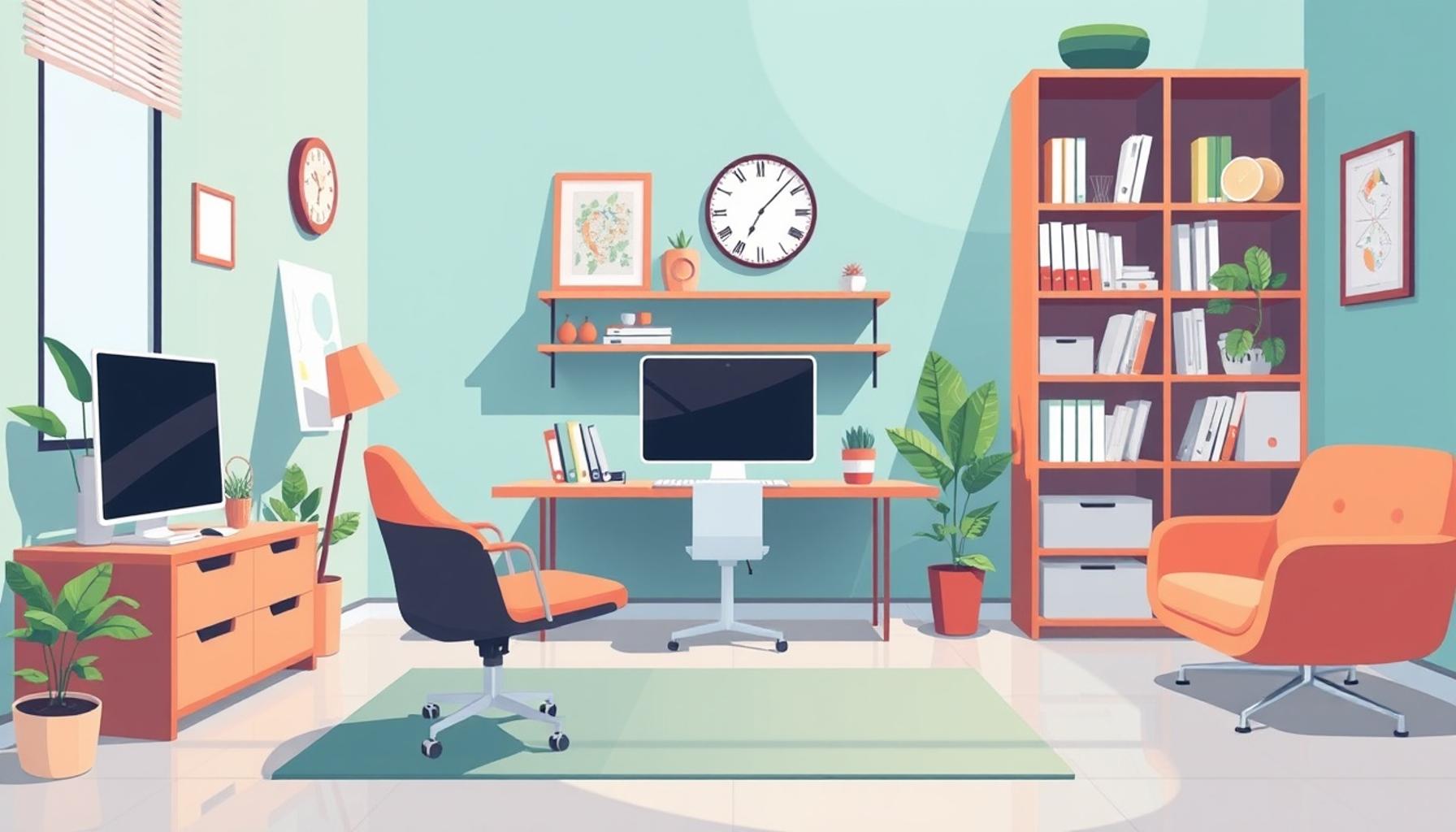
Embracing Minimalism for Greater Efficiency
In today’s fast-paced society, the presence of excessive clutter can significantly impede our ability to think clearly and work efficiently. Evidence suggests that minimalism in physical space organization offers a refreshing approach to cultivating environments that foster mental clarity and productivity. By stripping away the excess, we can focus on what truly matters—be it in our homes, offices, or personal lives.
Why Minimalism Matters
Adopting a minimalist lifestyle goes far beyond merely reducing the number of possessions one owns. It encompasses various elements that, when thoughtfully integrated, can lead to a more fulfilling life:
- Clutter Reduction: A chaotic environment can lead to heightened stress levels. Research indicates that individuals in cluttered spaces struggle with concentration and may even experience anxiety. Conversely, a decluttered space can evoke a sense of calm, promoting better emotional well-being.
- Functionality: Spaces designed with specific purposes in mind can significantly enhance productivity. For instance, a well-organized home office with essential tools readily accessible fosters concentration and reduces time spent searching for items.
- Mental Clarity: An uncluttered environment promotes a clear mindset. The fewer distractions present, the easier it becomes to think critically and creatively. Studies suggest that individuals who maintain organized spaces display improved cognitive function and decision-making skills.
Understanding how to effectively implement minimalism is crucial, as it encourages not only an aesthetically pleasing space but also practical efficiencies that can lead to a more productive lifestyle. The benefits extend beyond the physical realm; a carefully curated environment can positively influence both personal and professional aspects of our lives.
Transform Your Environment
This article will explore practical strategies to cultivate a minimalist environment. For starters, consider decluttering common surfaces such as desktops, kitchen counters, and living rooms. Aim to keep only essential items visible, storing non-essential items neatly away. Implementing smart storage solutions such as under-bed boxes, multi-functional furniture, or wall-mounted shelves can also maximize usage of your space.
Engaging in regular purging of items that no longer serve a purpose is another important strategy. A good starting point can be the “one in, one out” rule: for every new item you bring into your space, consider removing an existing one. This habit fosters intentional decision-making, ensuring you are mindful of what you truly need.
In summary, by adopting minimalist principles, you can transform your surroundings into a sanctuary that cultivates efficiency and invites mental clarity. Embrace the possibilities of a minimalist lifestyle, and you may find yourself more focused, productive, and ultimately, more fulfilled.
DISCOVER MORE: Click here to delve into the connection between space and mental health
Practical Steps to Achieve a Minimalist Space
Transitioning to a minimalist lifestyle may seem daunting at first, but with the right approach and strategies in place, you can create a physical environment that not only looks appealing but also encourages efficiency and enhances mental clarity. Here are essential steps to help you get started on your minimalist journey:
1. Evaluate Your Belongings
The first step to decluttering is to take an honest inventory of your belongings. Begin by categorizing items into three groups: keep, donate/sell, and discard. This evaluation process forces you to confront what you truly value and need in your life. Ask yourself questions like:
- When was the last time I used this item?
- Does it bring me joy or serve a meaningful purpose?
- Could someone else benefit from this item more than I do?
By honestly assessing your possessions, you can reduce clutter and create a more functional space.
2. Implement Efficient Storage Solutions
Once you’ve decluttered, the next step involves finding efficient storage solutions that allow you to maximize your space. For instance:
- Multi-functional furniture: Invest in furniture that serves multiple purposes, such as a coffee table that doubles as storage.
- Vertical space: Utilize wall-mounted shelves to keep your floor area open and reduce visual clutter.
- Clear storage bins: These provide a clean aesthetic while allowing you to see what’s inside, simplifying organization.
By keeping your space organized and aesthetically pleasing, you’ll create an environment conducive to focus and productivity.
3. Create Defined Areas for Specific Activities
Designating specific areas for certain activities is a crucial component of effective organization. This means creating a clear environment for work, relaxation, and social activities. For instance, limit work materials to your office area, allowing for a clear distinction between work and leisure for better work-life balance.
In your living areas, consider creating zones for different activities such as reading, crafting, or exercise. By clearly defining these areas, you can minimize distractions, making it easier to concentrate on the task at hand.
4. Develop a Regular Maintenance Routine
Minimalism is not a one-time task, but rather a continuous life philosophy. Establishing a regular maintenance routine is vital for maintaining a clutter-free living space. Schedule periodic check-ins to evaluate your belongings and remove items that are no longer necessary. A good habit to adopt is the “30-day minimalism game,” where you remove one item on the first day, two items on the second day, and so forth, ultimately leading to greater awareness of your possessions.
By implementing these practical steps, you can develop a minimalist environment that promotes efficiency and supports mental clarity. As you refine your physical space, you will likely notice remarkable improvements in not only your surroundings but also your overall productivity and well-being.
| Advantage | Description |
|---|---|
| Improved Focus | Minimalistic environments reduce distractions, allowing for heightened concentration and better task performance. |
| Enhanced Creativity | With less clutter, the mind can explore innovative ideas without the limitations of chaotic surroundings. |
| Reduced Stress Levels | A clean, organized space fosters a sense of calm, promoting mental clarity and emotional well-being. |
| Time Efficiency | An orderly environment saves time spent looking for items, boosting productivity in daily tasks. |
Minimalism in physical space organization offers distinct advantages that can significantly enhance individuals’ daily lives. One pivotal facet is improved focus, with streamlined environments minimizing distractions that typically hinder productivity. This leads not only to a deeper engagement with tasks but also elevates the output quality. Moreover, a minimalistic approach naturally boosts enhanced creativity. By eliminating clutter, individuals can nurture innovative thoughts without being confined by overwhelming stimuli. This correlation between a clean space and creative flow deserves attention for those seeking inspiration.Additionally, the reduction of stress levels is an essential factor linked to a minimalist setup. The psychological benefits of an organized space promote mental clarity, resulting in a more stable emotional state. Finally, the improvement in time efficiency cannot be overlooked. An organized environment means less time wasted searching for items, allowing for smoother transitions between tasks and overall enhanced productivity. Such advantages underscore the importance of embracing minimalism in creating spaces conducive to both efficiency and mental clarity.
DIG DEEPER: Click here to discover the connection between organization and mental well-being
The Psychological Benefits of Minimalism
Beyond the tangible advantages of a decluttered space, minimalism offers profound psychological benefits that contribute to a greater sense of mental clarity and overall well-being. Research indicates that our environments significantly influence our mental state. A cluttered space can often lead to feelings of overwhelm and distraction. By embracing minimalism, we allow ourselves to experience an atmosphere that fosters tranquility and focus.
1. Reducing Stress and Anxiety
Studies have shown that individuals living in chaotic and cluttered environments tend to experience higher levels of stress and anxiety. This is not merely anecdotal; a 2011 study published in the journal Personality and Social Psychology Bulletin found a correlation between cluttered homes and increased cortisol levels, which is a hormone associated with stress. Minimalism encourages a more calming aesthetic that can lead to reduced anxiety.
Creating a serene environment can help cultivate mental peace. Elements such as neutral color palettes, natural light, and carefully selected decor can enhance tranquility. Additionally, minimalism promotes the practice of mindfulness, encouraging individuals to focus on the present moment and eliminate distractions.
2. Enhancing Focus and Productivity
A streamlined space can significantly boost one’s ability to concentrate and accomplish tasks. In work environments, for example, organizations are increasingly adopting minimalist designs to enhance productivity. The National Institute for Occupational Safety and Health (NIOSH) has highlighted the connection between optimized work environments and job performance.
By minimizing distractions, such as excessive paperwork and cluttered desks, workers can maintain a clearer focus on their objectives. Companies like Google have incorporated minimalist principles into their office layouts, which has been found to improve employee satisfaction and productivity. According to a study by Harvard Business Review, open-plan, uncluttered offices allow for increased collaboration and creativity, which are essential for a modern workforce.
3. Fostering Creativity
Surprisingly, adopting a minimalist approach can also enhance creativity. With fewer distractions in your physical space, your mind is free to wander and explore new ideas without over-stimulation.
In creative fields, professionals often report that working in uncluttered environments fosters innovation. Notable figures like Steve Jobs and Mark Zuckerberg have famously embraced minimalism in their approach to workspace design. Jobs believed in creating a straightforward workspace filled with only essential objects. This philosophy allowed him to focus solely on the creativity and effectiveness of his work.
A study conducted by the University of Minnesota indicated that people working in environments that are visually organized are better at problem-solving and finding novel solutions than those in chaotic settings. This underlines the importance of a minimalist setup in not only providing clarity but also sprouting creativity.
4. Embracing Digital Minimalism
As we declutter our physical spaces, it is equally essential to address our digital environments. In today’s technology-driven world, digital clutter—from overflowing inboxes to endless app notifications—can add to feelings of overwhelm. Digital minimalism advocates for a mindful approach to technology usage, emphasizing quality over quantity in the tools we choose to engage with.
Strategies for digital minimalism include unsubscribing from unnecessary newsletters, organizing files into clearly labeled folders, and setting time limits on social media usage. By creating a harmonious digital landscape, we can enhance our efficiency and contribute to our overall mental clarity.
In this era of constant distraction, investing in minimalism offers an opportunity to reshape our environments—both physical and digital—into spaces that promote efficiency and nurture the mind. This transformative lifestyle approach can lead to powerful shifts in how we interact with our surroundings and ourselves.
DISCOVER MORE: Click here to delve into the impact of organization on mental health
Conclusion: The Transformative Power of Minimalism
In a world increasingly dominated by distractions and overwhelming stimuli, minimalism in physical space organization emerges as a powerful antidote to chaos. By intentionally simplifying our surroundings, we set the stage for enhanced efficiency and profound mental clarity. This approach is not merely about discarding items but embracing a philosophy that prioritizes quality over quantity, leading to environments that nurture well-being and productivity.
The psychological advantages outlined in this article illustrate how decluttered spaces can alleviate stress, improve focus, and spark creativity. As studies demonstrate, designing our environments with minimalism in mind creates atmospheres where clarity thrives, allowing us to engage more fully with our tasks and relationships. Furthermore, by adopting digital minimalism, we can protect our mental space from the onslaught of technological distractions, keeping us grounded and connected to what truly matters.
Ultimately, the shift towards minimalism is an invitation to re-evaluate our relationship with our surroundings. Whether it’s a serene home office or a streamlined digital workspace, the principles of minimalism encourage us to create environments that inspire clarity and foster a greater sense of purpose. As you embark on this journey, consider the profound impact that a minimalist approach can have not just on your physical space, but on your overall mindset and lifestyle. Explore, experiment, and embrace the transformative power of minimalism—your path to efficiency and mental clarity awaits.
Related posts:
Developing Minimalist Daily Routines: Simplifying Life to Maximize Results
The importance of minimalist organization systems to boost personal productivity
The intersection between minimalism and technology: digital tools that facilitate personal organizat...
The influence of minimalism on the creation of efficient systems for time management
Minimalist Prioritization Systems: How to Decide What Really Matters
The intersection of minimalism and financial organization systems for a more efficient life

Beatriz Johnson is a seasoned digital lifestyle strategist and green tech writer with a passion for demystifying sustainable technology and eco-conscious living. With over a decade of experience at the intersection of innovation and sustainability, she specializes in topics like smart home solutions, renewable tech applications, and global trends in green digitalization. Through her work on our platform, Beatriz empowers readers to make informed choices about adopting planet-friendly technologies while optimizing their digital lives for both efficiency and environmental impact.