Transforming Spaces: The Importance of Reducing Clutter in Creative Work Environments
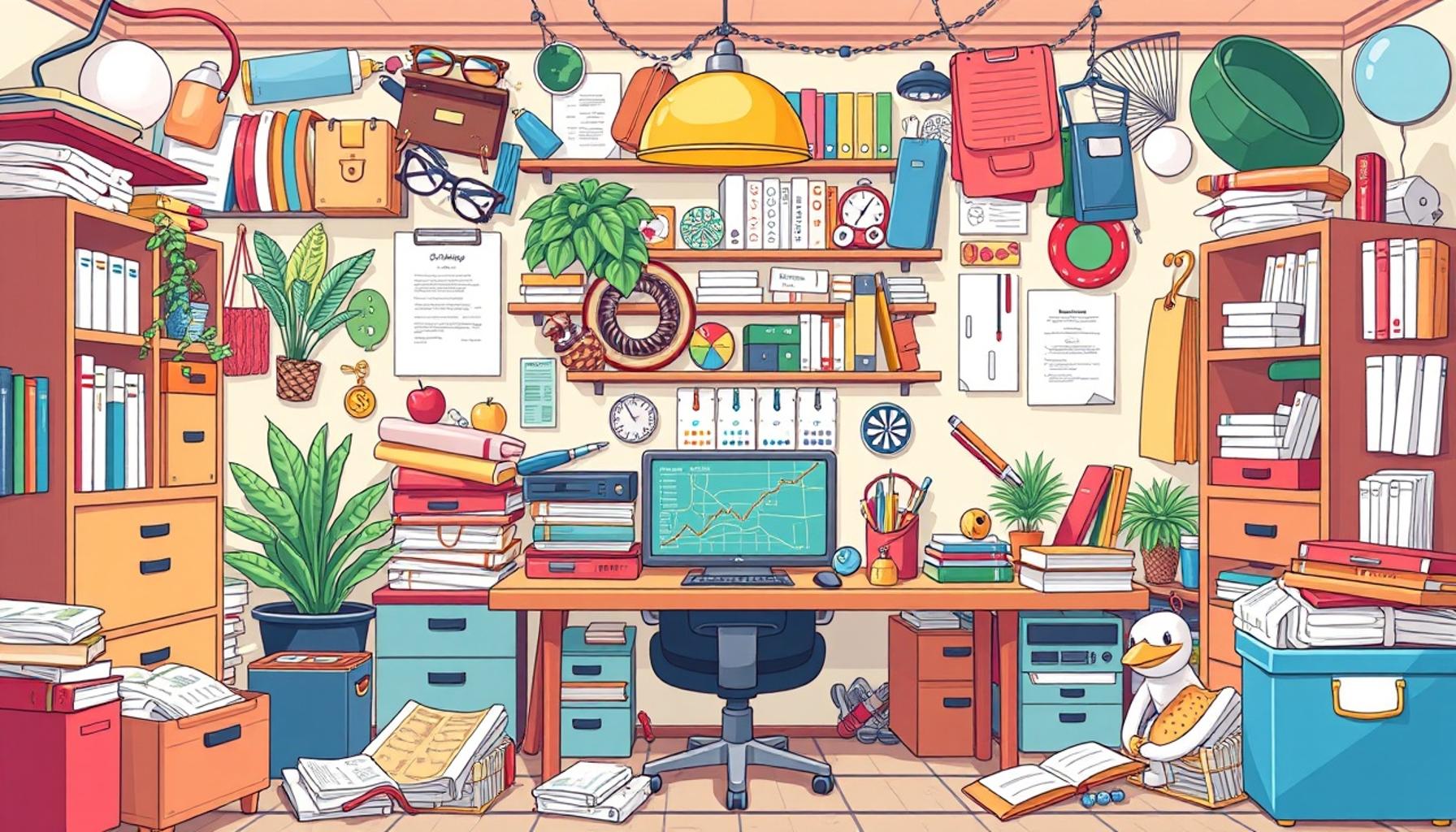
Understanding the Impact of Organized Spaces on Creativity
In today’s fast-paced world, a cluttered environment can stifle creativity and productivity. Many creative professionals often find themselves overwhelmed by their surroundings, struggling to focus amidst the chaos. It’s time to explore how a well-organized space can be the key to unlocking greater innovation.
Numerous studies highlight that a cluttered workspace can lead to increased stress and cognitive overload. For example, a study published in the Personality and Social Psychology Bulletin found that messy environments can impede the brain’s ability to process information effectively, ultimately leading to lower performance levels. This is even more significant for creative individuals who rely on mental clarity to conceptualize innovative ideas.
Research suggests that reducing clutter can lead to numerous benefits, including:
- Enhanced Focus: Clearing unnecessary items can help individuals concentrate better on their tasks. When distractions are minimized, the mind can dedicate more resources to complex problem-solving and creative thinking.
- Increased Productivity: An organized workspace allows for faster access to necessary tools and resources. Creatives, whether they are writers, designers, or artists, often rely on various instruments—keeping them systematically arranged not only saves time but also fosters a seamless workflow.
- Boosted Creativity: A minimalist environment can encourage fresh ideas and innovative thinking. For example, many successful tech companies, like Apple, emphasize simplicity in their office layouts to promote creativity and collaboration.
Creative environments—whether they are studios, offices, or home workspaces—need to be conducive to inspiration. This means that every item in the space should serve a purpose and contribute to the creative process. When items that hold no value or spark joy are removed, individuals can better visualize their goals and ideas, leading to deeper engagement with their work.
Transformative Strategies for Organizing Creative Spaces
In the following sections, we will delve into effective strategies for reducing clutter, the psychological benefits of an organized workspace, and real-world examples of creative individuals who have successfully embraced the minimalist approach. For instance, the renowned writer Ernest Hemingway famously kept a tidy desk, believing that a clear space contributed to a clear mind. Similarly, Marie Kondo, author of “The Life-Changing Magic of Tidying Up,” emphasizes the importance of keeping only those items that “spark joy.”
Embrace the potential within your space by reevaluating what is essential and what holds you back. Creating an organized environment is not merely about aesthetics; it symbolizes a clear intention and a focused mindset. Whether you’re a painter, a writer, or a designer, the right environment can be an essential ingredient in unlocking your creativity.
As we navigate through this exploration of organization and creativity, consider how implementing these principles might invigorate your own creative journey.
DISCOVER MORE: Click here to learn about the psychology of space
Transformational Benefits of an Organized Creative Space
As creative professionals navigate their daily tasks, the environment plays a crucial role in shaping their output. A cluttered, disorganized space can not only distract but can also lead to feelings of anxiety and overwhelm. By recognizing the transformational benefits of an organized workspace, individuals can elevate their creative processes, resulting in enhanced output and a more enjoyable work experience.
Research suggests that an organized environment contributes significantly to emotional well-being and focus. In fact, a study by Princeton University revealed that people working in cluttered environments have a harder time focusing and exhibit lower levels of productivity. This illustrates how crucial it is for creatives to cultivate a space that promotes mindfulness and clarity.
Consider implementing these essential strategies to achieve a clutter-free environment:
- Prioritize Essentials: Take inventory of the items in your workspace. Regularly ask yourself which items contribute to your creative process and which merely take up space. By prioritizing essentials, you can minimize distractions and keep the focus on your projects.
- Establish a System: Create designated areas for specific tasks or materials. Whether it’s a file for important documents or a shelf for art supplies, having a system in place streamlines workflows and enhances accessibility.
- Regular Decluttering: Set aside a specific time each month to review and declutter your space. This proactive approach not only prevents the accumulation of unnecessary items but also encourages a fresh perspective on your work.
- Use Vertical Space: In smaller creative environments, utilizing vertical space can be extremely beneficial. Install shelves or wall organizers to keep surfaces clear and allow for a more open and spacious feel.
- Incorporate Natural Elements: Bringing elements from nature into your workspace, such as plants or sunlight, can create a calming aesthetic, fostering creativity and inspiration. Studies have shown that natural elements can enhance mood and overall cognitive function.
Moreover, the concept of mindful organization goes beyond just physical space. It also invites the idea of mental clarity. When clutter is reduced, creativity is more likely to flourish. This aligns with the philosophy practiced by many artists and entrepreneurs who understand that a serene space can ignite a serene mind, setting the stage for innovative thinking.
In an age where distractions abound, individuals embracing these organization strategies can experience a revitalized engagement with their creative processes. Imagine starting each day in a space that not only inspires but also empowers you to feel in control—a profound shift that can spark not just productivity but also genuine creativity.
When considering the dynamics of creative work environments, the significance of reducing clutter cannot be overstated. A streamlined space facilitates increased creativity, fosters collaboration, and enhances mental clarity. Creativity thrives in environments where distractions are minimal, allowing individuals to focus their energy on their projects rather than being sidetracked by a disorganized workspace. Research has shown that excessive clutter can lead to cognitive overload, making it more difficult for individuals to concentrate on their tasks. By simplifying their surroundings, creative professionals can experience an improvement in their overall productivity levels. Notably, a clutter-free environment promotes a sense of calm and control, which is essential for innovation and creative thinking. Moreover, aesthetics play a pivotal role in how we perceive our workspace. A well-organized area not only looks inviting but also inspires individuals to engage more passionately with their work. Incorporating elements of design that emphasize minimalism allows for a harmonious blend of functionality and aesthetics, resulting in spaces that are both practical and uplifting. Here, we delve deeper into the benefits of an organized workspace, illustrating how meticulous organization can fundamentally transform the way creative professionals approach their work. Explore the ideas around establishing effective routines for decluttering and creating zones within workspaces dedicated to specific tasks, ensuring that each element serves a purpose and contributes positively to the creative process. Understanding the interplay between clutter, productivity, and creativity not only emphasizes the importance of a tidy environment but also invites professionals to rethink their workspaces fundamentally. What changes could you implement today to foster an invigorating and productive creative atmosphere?
DISCOVER MORE: Click here to learn about the psychology of space
The Role of Clarity in Boosting Creativity
In creative work environments, the interplay between organization and inspiration cannot be overstated. A significant facet of this relationship lies in the pursuit of clarity. When a creative space is decluttered, it not only allows for physical movement but also fosters mental agility. This clearance paves the way for new ideas and innovative solutions. Clarity leads to a jumpstart in creative thinking, reframing hurdles as opportunities. Studies indicate that a clear workspace leads to a more expansive, free-flowing thought process, crucial for brainstorming sessions and design thinking.
Consider the example of renowned designers and artists, many of whom espouse the notion of spatial clarity as essential to their practice. Talent is important, but so too is the environment. In his book “The Creative Habit,” Twyla Tharp cites her morning ritual of organizing her workspace as a means of preparing her mind. Tharp is not alone—many professionals find that a systematic approach to workspace organization can serve as a prelude to a creative breakthrough.
Decluttering promotes not only a tranquil atmosphere but also a healthy mind. According to a study published in the journal Environment and Behavior, individuals are more likely to engage in creative activities when surrounded by organized environments. The psychological concept of cognitive load comes into play here—the more clutter there is, the more mental energy is required to process it, leaving less available for actual creative thought. Thus, organizing is not merely about tidiness; it’s a necessity for fostering a productive creative mind.
Harnessing Technology for Better Space Management
In today’s digital age, technology provides myriad solutions for reducing clutter. Cloud storage services like Google Drive and Dropbox minimize the need for physical documents and provide easy access to critical files from anywhere, enabling a more flexible workspace. Digital tools can help maintain organization and facilitate collaboration, which is crucial in creative endeavors that require input from multiple stakeholders.
Moreover, the use of project management applications such as Trello or Asana allows creative teams to assign tasks, share ideas, and track progress without the physical clutter of sticky notes or paper trails. These tools can significantly enhance collaboration, providing an organized hub for creativity to flourish while keeping the workspace free from excessive materials.
The Environmental Impact of Clutter Reduction
Beyond personal well-being and productivity, the implications of reducing clutter in creative spaces extend into environmental considerations. Minimalism often correlates with sustainability—by reducing what one owns, there tends to be less waste produced. Creative professionals can consciously choose eco-friendly materials and practices that not only inspire but also minimize their carbon footprint.
Consider how many artists are choosing to utilize recycled materials in their work or implement practices that encourage reusing rather than discarding. These choices exemplify the shift towards a more conscious creative space, aligning personal values with professional practices. In this way, decluttering becomes not solely a practical exercise, but a significant statement about one’s approach to creativity and environmental stewardship.
As individuals aim to revitalize their creative environments through intentional organization, the benefits extend into realms of productivity, emotional well-being, technological integration, and even global responsibility. Understanding and leveraging these elements is essential for anyone looking to transform their workspaces into truly inspiring creative sanctuaries.
DIVE DEEPER: Click here to discover the influence of organization on your mind
Conclusion: The Transformational Power of Decluttering
In the realm of creative work environments, the act of reducing clutter is not just a mundane task; it is a vital strategy that can significantly enhance productivity, creativity, and even environmental sustainability. As we have explored, a clear and organized space fosters mental clarity, enabling individuals to think freely and innovate without the cognitive burden of excess noise and distraction. Not only does this facilitate groundbreaking ideas, but it also nurtures a serene atmosphere that promotes emotional well-being.
With technological advancements, the tools available for decluttering have transformed. Digital solutions, from cloud storage to project management applications, allow for efficient organization, enhancing collaboration amongst creative professionals while maintaining an inspiring physical workspace. This shift towards a clutter-free environment echoes a larger trend of minimalism, encouraging individuals to make conscious choices about their materials and practices, thus aligning creativity with environmental responsibility.
Ultimately, the importance of reducing clutter transcends personal preferences; it becomes a foundational principle for anyone seeking to maximize their creative potential and improve their work environment. By taking intentional steps towards organization, we not only optimize our own creative outputs but also contribute to a more sustainable world. In a society where chaos is often the norm, embracing clarity and purpose in our workspaces can lead to profound transformations in both our creative endeavors and our lifestyles.
Related posts:
The Reduction of Clutter as a Sustainability Tool: Living with Less to Protect the Planet
Transforming Memories into Experiences: The Reduction of Emotional Clutter and its Impact on Persona...
Redefining the Concept of Value: How Reducing Clutter Can Transform Our Relationships with Objects a...
The Art of Saying No: How to Learn to Decline Items and Reduce Clutter in Your Life
Digital Minimalism: Tips to Clear Virtual Space and Increase Mental Clarity
Minimalism in Practice: How to Create a Daily Routine to Maintain Order and Mental Clarity

Beatriz Johnson is a seasoned digital lifestyle strategist and green tech writer with a passion for demystifying sustainable technology and eco-conscious living. With over a decade of experience at the intersection of innovation and sustainability, she specializes in topics like smart home solutions, renewable tech applications, and global trends in green digitalization. Through her work on our platform, Beatriz empowers readers to make informed choices about adopting planet-friendly technologies while optimizing their digital lives for both efficiency and environmental impact.