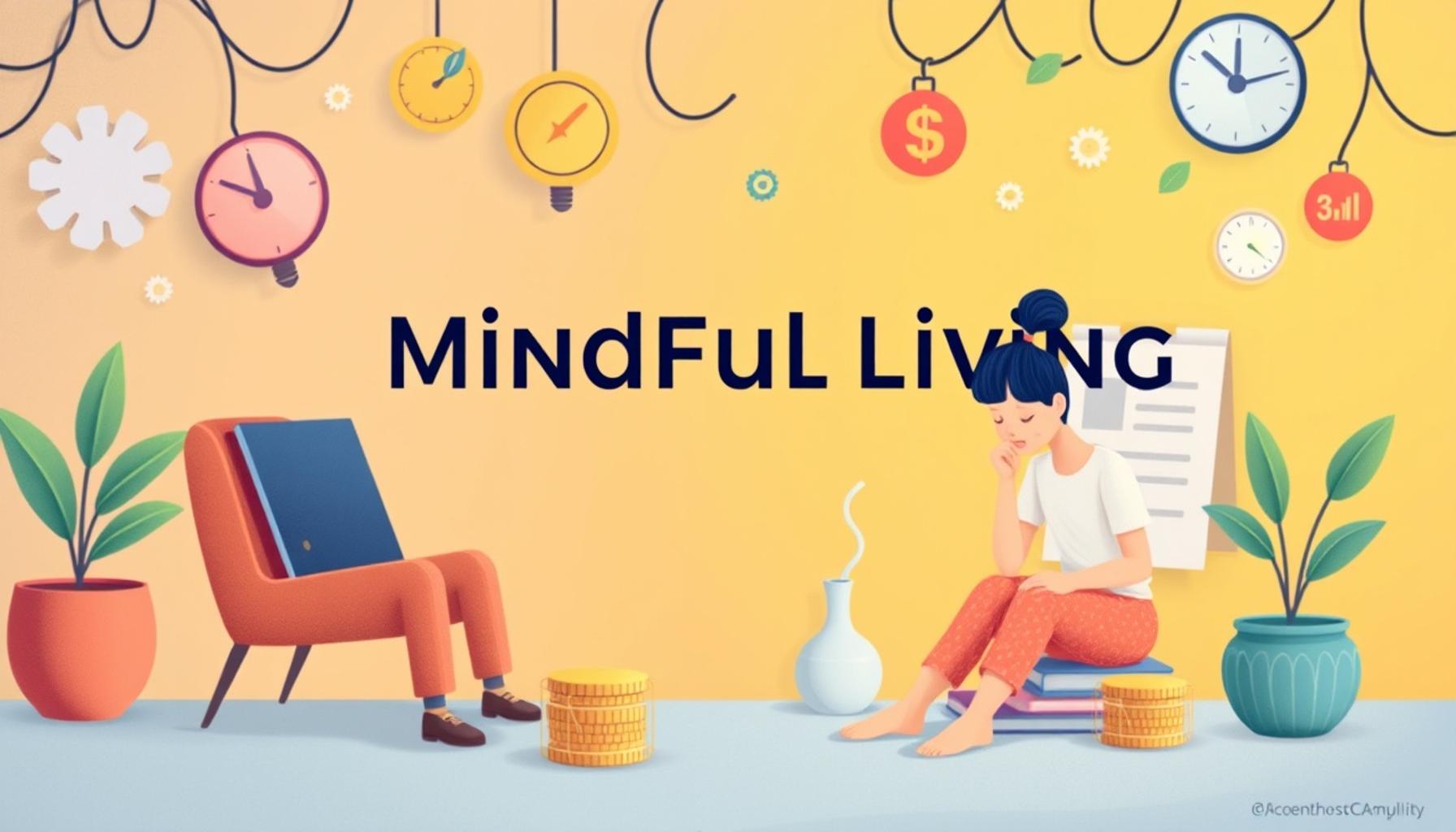
Mindful Living and Stress Reduction: The Intersection of Minimalism and Mental Health

The Rise of Mindful Living and Minimalism
In an era characterized by relentless deadlines, overwhelming responsibilities, and a nonstop digital barrage, it is no surprise that stress has become a prevalent issue for many Americans. The compounding effect of various stressors in our daily lives has sparked a growing interest in mindful living and minimalism. These philosophies offer practical strategies for mitigating mental health challenges and fostering serenity amid chaos.
Striking statistics illuminate this pressing concern. Research from the American Psychological Association reveals that 75% of Americans experience stress regularly, with a notable increase over recent years. In fact, a recent study indicates that over 40% of adults perceive their stress levels to have risen in just the last five years. The urgency to tackle this issue is underscored by the fact that many are turning to lifestyle choices such as minimalism—an approach that encourages individuals to prioritize what truly matters in their lives.
At its core, minimalism promotes the idea of decluttering not only our physical surroundings but also our mental landscapes. The intersection of minimalism and mental health reveals a transformative potential: by creating space—both physically and emotionally—we are better equipped to focus on aspects of life that contribute to our well-being.
The advantages of integrating mindful living practices into our routines are substantial. Adopting mindfulness can lead to:
- Enhanced focus and clarity: Practicing mindfulness allows individuals to prioritize tasks, reducing overwhelm and improving productivity.
- Improved emotional regulation: By cultivating awareness of thoughts and feelings, individuals often experience a greater capacity to manage emotions effectively.
- Reduced anxiety levels: Mindfulness techniques, such as meditation, can help decrease anxiety by promoting relaxation and a greater sense of presence in daily activities.
As more individuals seek balance in their lives, the combination of minimalist principles and mindfulness offers a promising avenue for not only alleviating stress but also enriching overall mental health and happiness. This journey towards simplification and awareness invites individuals to explore their values and priorities, leading to a more intentional existence. If you’re curious about how minimalism and mindfulness can enhance your life, now is the perfect time to dive deeper into these transformative practices. Discovering strategies to clear both physical and mental clutter may very well pave the path to a more peaceful and fulfilling tomorrow.
DISCOVER MORE: Click here to dive deeper
Understanding Minimalism: A Path to Less Stress
Minimalism, often mistaken for mere decluttering, transcends the physical realm and serves as a philosophy that advocates for purposeful living. At its essence, minimalism asks individuals to focus on what is truly important, thereby reducing distractions and alleviating the noise that often leads to stress. The minimalist lifestyle encourages individuals to strip away the excess—be it material possessions, commitments, or mental clutter—to create a more meaningful existence. By embracing minimalism, one can significantly influence their mental health and, in turn, their stress levels.
The correlation between minimalism and stress reduction can be traced back to the principles of simplicity and intentionality. When people commit to minimalism, they find that their lives become less chaotic and more manageable. As a result, many report a decrease in anxiety, a common byproduct of living in an overly complicated world. Furthermore, the act of letting go of unnecessary items not only clears one’s physical space but also provides a sense of accomplishment that contributes positively to mental health.
Pillars of Minimalism and Mental Wellness
Practicing minimalism involves several key components that directly contribute to improved mental health. Understanding these pillars can help individuals navigate their journey towards mindful living:
- Intentional Consumption: Minimalism promotes conscious decisions regarding what one allows into their life. This principle encourages individuals to ask questions such as: “Do I need this?” or “Does this bring me joy?” By focusing on quality over quantity, individuals often experience a greater appreciation for the items they choose to keep.
- Time Management: Minimalists tend to prioritize their time by eliminating unnecessary activities and commitments. By honing in on what truly matters, they gain more control over their schedules, ultimately reducing feelings of being overwhelmed.
- Space for Reflection: By decluttering both physical spaces and mental processes, individuals create an environment conducive to reflection. This space promotes mindfulness, allowing individuals to catch their breath and better understand their own thoughts and feelings, leading to increased emotional awareness.
The impact of these pillars can be profound. According to a study published in the journal *Psychological Science*, individuals who practiced minimalism reported a stronger sense of well-being and lower stress levels compared to those who maintained a cluttered lifestyle. The ability to focus on core values and priorities delivers a refreshing change in perspective, making room for gratitude and contentment in daily life.
As individuals begin to integrate minimalist principles into their lives, they may discover that the journey is not merely about creating a streamlined living space; it is also a transformative process that fosters deeper mental clarity and emotional resilience. The act of simplifying one’s surroundings and routines can lead to greater overall happiness and a marked reduction in daily stressors.
Embracing Minimalism for Enhanced Mental Health
As the pace of modern life accelerates, the pursuit of mindful living becomes paramount. Integrating minimalism into one’s lifestyle offers profound benefits for mental health by fostering a sense of clarity and reducing environmental stressors. Minimalism is not merely about decluttering physical spaces; it also encourages individuals to examine their thought processes and emotional attachments to possessions. By intentionally curating what we allow into our lives, we create room for positivity and reduce feelings of overwhelm.Simple living promotes mindfulness as it compels us to focus on the essentials—quality over quantity. This shift in perspective enhances awareness, allowing us to appreciate the little things in life and find joy in everyday experiences. Research indicates that individuals who adopt a minimalist approach tend to report lower levels of anxiety and increased happiness, drawing a direct link between reduced material clutter and improved mental well-being. Furthermore, the act of letting go can be tremendously liberating. In many cases, emotional baggage accumulates alongside material possessions, and addressing this can free individuals from cycles of stress and negativity. By learning to detach from unwanted physical and emotional clutter, we pave a path toward greater awareness, ultimately fostering a more resilient mindset.Additionally, creating structured routines within a minimalist framework supports mental health by introducing predictability. Establishing a few key practices, such as morning mindfulness or evening gratitude reflection, cultivates a profound connection to oneself, promoting inner peace amid external chaos.
The Role of Nature in Mindful Living
Exploring nature is a cornerstone of mindful living and stress reduction. Engaging with green spaces has shown to reduce cortisol levels, elevate mood, and improve overall mental health. Nature inspires a feeling of belonging and connection, which contrasts sharply against the backdrop of urban sprawl and materialism. Building a relationship with nature can be as simple as taking daily walks in a local park, engaging in gardening, or incorporating natural elements into personal spaces. Studies suggest that spending time in nature not only enhances mood but also encourages greater mindfulness by grounding us in the present moment, allowing for revitalization and clarity of thought.By melding the principles of minimalism with nature, individuals can foster a holistic approach to mental health that prioritizes sustainable well-being. As our world becomes increasingly cluttered, both materially and mentally, the call for mindful living as a pathway to tranquility resonates more than ever. It invites us to reassess our priorities and lean into a lifestyle that celebrates simplicity, beauty, and serenity.
DISCOVER MORE: Click here to learn about the connection between space organization and mental well-being
The Role of Mindfulness in Enhancing Minimalism
While minimalism paves the way for a simplified lifestyle, mindfulness acts as the lens through which individuals can experience the depth of this transformation. Mindfulness, defined as the practice of being present in the moment without judgment, is a practice that dovetails beautifully with the principles of minimalism. When one embraces mindfulness, they cultivate a heightened sense of awareness around their thoughts, feelings, and actions, subsequently promoting emotional well-being and stress reduction.
Integrating mindfulness into a minimalist lifestyle offers unique benefits. For instance, being present allows individuals to fully appreciate the spaces they inhabit and the objects they own. Instead of rushing through daily routines or consuming mindlessly, one becomes attuned to the experience of each moment. This conscious approach often leads to a deeper connection with one’s environment and fosters gratitude for the simplicity surrounding them.
Merging Mindfulness with Minimalist Practices
To create a holistic approach to mindful living, several techniques can enhance the intersection of minimalism and mindfulness:
- Mindful Decluttering: Instead of viewing decluttering as a chore, approach it with mindfulness. As you sort through possessions, take a moment to consider the emotional significance of each item. This allows for more intentional decisions about what to keep and what to let go of, leading to a clearer mental state.
- Breathwork Meditation: Incorporate short meditation sessions focused on breathwork into your daily routine. This practice not only calms the mind but also serves as a transition that reinforces the minimalist principles of intentionality and simplicity. Breathing exercises can help individuals respond to stressors more effectively by clearing mental clutter.
- Gratitude Journaling: Take a moment each day to reflect on aspects of life you appreciate. By actively engaging in gratitude, individuals shift focus away from what is lacking in their lives and towards the abundance present in minimalism. This positive mindset contributes to lower stress levels and improved mental health.
According to a meta-analysis published in *JAMA Internal Medicine*, mindfulness practices can lead to significant reductions in anxiety, depression, and stress. The study reveals that consistent engagement in mindfulness can even enhance psychological resilience, allowing individuals to navigate life’s challenges with greater ease.
In the context of the U.S., where consumer culture often prioritizes accumulation and fast-paced living, embracing a mindful minimalist approach can serve as a powerful antidote. By challenging societal norms surrounding materialism, individuals can forge a path toward not just surviving, but thriving in a world that often feels overwhelming. Major cities like New York and San Francisco have already witnessed a surge in mindfulness and minimalist communities, pointing to a collective desire for deeper, more fulfilling lives.
The synergy between mindfulness and minimalism invites individuals to slow down, reflect, and embrace simplicity, ultimately leading to a profound sense of fulfillment and reduced stress. This intersection serves not only as a personal journey but a cultural shift towards valuing quality of life over quantity in both physical possessions and experiences.
LEARN MORE: Click here to discover the effects of organization on your mental well-being
Conclusion: Embracing Mindful Living for Better Mental Health
In a world that often equates happiness with accumulation, the principles of mindful living and minimalism present a refreshing counter-narrative. As explored throughout this article, the fusion of mindfulness with minimalism not only serves as an effective stress reduction strategy but also enriches mental health. By consciously choosing to simplify our physical environments and embracing the present moment, we cultivate a deeper awareness of our emotional states and make more intentional decisions about what truly enhances our well-being.
Practices such as mindful decluttering, breathwork meditation, and gratitude journaling empower individuals to forge connections with their surroundings, leading to a profound sense of fulfillment. This paradigm shift towards valuing experiences over material possessions sheds light on the necessity of mental clarity in today’s fast-paced society, particularly in the United States where consumerism reigns supreme.
Importantly, the growing popularity of minimalist and mindfulness communities indicates a societal yearning for simplicity and peace. As individuals continue to embrace these principles, they not only enhance their personal well-being but contribute to a larger movement that prioritizes mental health over materialism. Ultimately, the intersection of mindful living and minimalism offers a promising pathway towards reduced stress, making it not just a personal journey but a collective evolution towards a more balanced existence.
Related posts:
Digital Minimalism: Cultivating Mindfulness in a Connected World
Mindful Living and the Importance of Personal Space: Creating Environments that Promote Mental Clari...
The Art of Letting Go: How Mindful Living Enhances Minimalism
The Impact of Mindful Living on Relationships: Minimalism and Meaningful Connections
Mindful Living and the Practice of Slowing Down: How Minimalism Contributes to a Fuller Life
Mindful Living and Sustainability: Integrating Minimalism and Conscious Consumption

Beatriz Johnson is a seasoned digital lifestyle strategist and green tech writer with a passion for demystifying sustainable technology and eco-conscious living. With over a decade of experience at the intersection of innovation and sustainability, she specializes in topics like smart home solutions, renewable tech applications, and global trends in green digitalization. Through her work on our platform, Beatriz empowers readers to make informed choices about adopting planet-friendly technologies while optimizing their digital lives for both efficiency and environmental impact.