Maximizing Small Spaces: Space Optimization Techniques in Minimalist Apartments
Understanding Space Optimization
The modern urban landscape is increasingly characterized by compact living spaces. For many, the idea of residing in a minimalist apartment translates to a lifestyle anchored in simplicity, efficiency, and intentionality. However, as more individuals adapt to the constraints of small apartments, they often confront a dilemma: how to maximize space without compromising comfort and style. The challenge is significant, especially considering that nearly 35% of Americans reside in apartments, many measuring less than 800 square feet. This context prompts a deeper exploration of space optimization.
Embracing Multi-functionality
One of the cornerstone techniques for making the most of limited square footage is the concept of multi-functionality. This encompasses furniture items designed to serve several purposes. For instance, a sofa bed can double as both seating and sleeping space, which is invaluable for accommodating guests. Additionally, a coffee table with storage can keep essentials hidden while maintaining a clean aesthetic. Consider also expandable dining tables, which can transform a small nook into a dining area suitable for entertaining. This layering of functionalities not only conserves space but also fosters versatility within the apartment.
Utilizing Vertical Solutions
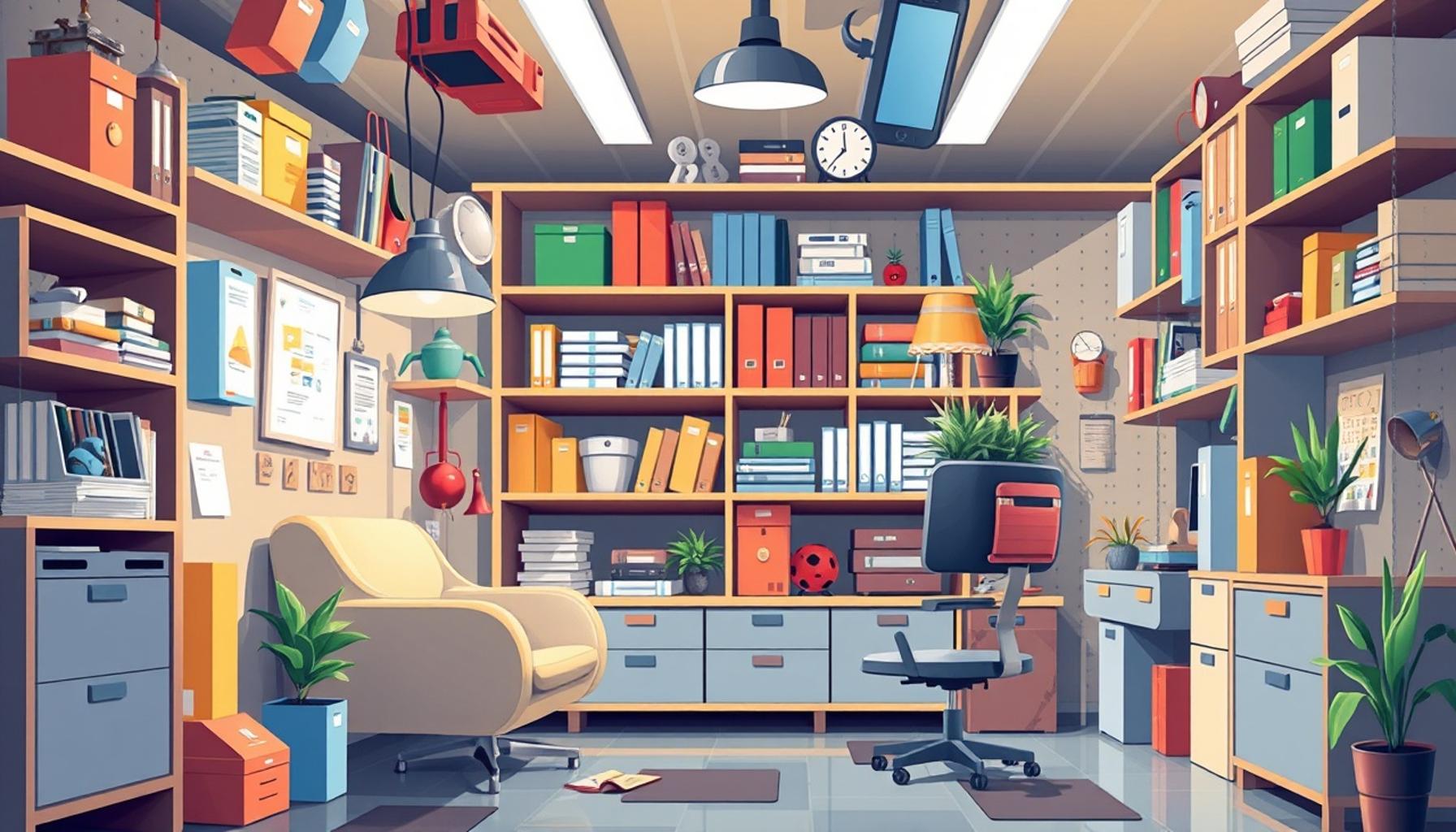
In apartments where floor space is at a premium, vertical solutions become indispensable. Think tall bookshelves that reach the ceiling, inventive wall-mounted racks, or hanging plants that add greenery without occupying valuable surface area. By going vertical, you can create an illusion of higher ceilings and a more spacious environment. Strategies such as wall-mounted desks can transform a corner into a functional workspace while keeping the floor uncluttered. The rise of pegboards and floating shelves allows residents to organize their belongings in a visually appealing manner, effectively turning walls into canvases.
Implementing Minimalist Design
Minimalism is not merely about decluttering; it’s a lifestyle that prioritizes essential items and quality over quantity. In a limited living space, this approach can significantly alleviate feelings of confinement. Begin by assessing your possessions and determining what you truly need, focusing on items that either serve a purpose or evoke joy. For example, instead of multiple decorative trinkets, consider investing in a single statement piece that captures attention without overwhelming the aesthetics. This practice not only results in a clean and serene environment but also encourages mindful consumption, a principle that resonates with many contemporary urban dwellers.
As more people adapt to urban living, exploring effective space-saving techniques becomes paramount. By integrating these strategies, you can transform your apartment from a cramped living quarters into a stylish and functional sanctuary. Explore further the myriad of ways to enhance your small space, from clever storage solutions to aesthetic improvements, ensuring that every inch contributes meaningfully to your daily life.
A MUST-READ: Click here to discover how your space affects your mind
Creative Storage Solutions
In the world of minimalist apartments, the art of storage is crucial. Limited square footage often means that traditional storage solutions simply won’t suffice. To combat this, residents must tap into innovative storage ideas that utilize every nook and cranny. One effective approach is to consider under-bed storage. Utilizing the space beneath beds with storage bins or drawers can reclaim significant square footage for lesser-used items such as seasonal clothing or extra bedding.
Smart Use of Furniture with Built-in Storage
Integrating furniture that incorporates storage can transform a small apartment into a well-organized haven. When selecting pieces, consider the following:
- Ottomans with storage: These dual-purpose items provide seating or a footrest while offering hidden compartments for blankets and magazines.
- Storage benches: Perfect for hallways or at the foot of a bed, these can hold shoes or bags neatly tucked away, while providing additional seating.
- Hollow coffee tables: A coffee table with a lift-top can conceal remotes, books, or board games, clearing up table surfaces.
Additionally, vertical space can be leveraged as well. Utilizing the backs of doors and walls for hanging storage solutions like hooks, pegboards, or magnet strips can clear up clutter and provide a unique design element to the décor. Not only do these storage options effectively organize your belongings, but they also ensure easy accessibility without overwhelming the visual space.
Incorporating Hidden Spaces
Another fascinating trend in space optimization is concealing storage to maintain a clean and uncluttered aesthetic. Think about integrating hidden compartments in places like:
- Staircases: Steps can be designed with drawers or lift-up sections for storing books, shoes, or even tools.
- Coffered ceilings: These can include overhead compartments for recessed lighting or decorative elements while also providing hidden storage.
- Murphy beds: Perfect for smaller apartments, these fold-down beds can be tucked away when not in use, providing floor space for daily activities.
Utilizing hidden storage is not just about concealing items but also about creatively enhancing the overall functionality of an apartment. This approach can yield a sense of spaciousness that is often lacking in compact living environments.
In summary, mastering creative storage solutions is essential for anyone looking to thrive in a minimalist apartment. By focusing on integrative and hidden storage options, residents can ensure that their living spaces remain organized, functional, and stylish, definitively turning the challenges of small spaces into opportunities for innovative living. As you explore various techniques, it’s crucial to keep your personal style in mind, merging practicality with aesthetics for a harmonious home.
| Space-Saving Furniture | Versatility and Functionality |
|---|---|
| Multifunctional pieces | Furniture like sofa beds, nesting tables, and ottomans with storage can maximize your space significanty. |
| Foldable Options | Tables and chairs that fold away when not in use free up valuable floor space while keeping areas neat and tidy. |
| Vertical Storage Solutions | Utilizing wall-mounted shelves and high cabinets helps to utilize unused vertical space efficiently. |
Incorporating space-saving furniture into minimalist apartments is a strategic way to optimize living areas without compromising on style. These functional designs not only enhance the aesthetics of your home but also create a seamless blend of comfort and efficiency.Consider the emergence of foldable options that provide an elegant aesthetic and adaptability. This approach allows homeowners to transform their living spaces according to their needs, be it for work or leisure. Moreover, adding vertical storage solutions can drastically improve organization, as they utilize areas that would otherwise remain neglected. By innovatively combining these space optimization techniques, you can turn even the smallest of apartments into a haven of efficiency and style, opening an array of possibilities for your living environment. For those living in tight quarters, these methodologies offer exciting solutions for Maximizing Small Spaces.
DISCOVER MORE: Click here to learn about the effects of organization and minimalism
Multi-functional Spaces
In minimalist apartments, every inch of space counts, making the concept of multi-functional areas particularly appealing. The trend is not just about saving space; it’s about creating dynamic environments that adapt to various activities and needs. Rethinking how a space serves multiple purposes allows residents to fully enjoy their small living areas without feeling constrained by their dimensions.
Transformative Layouts
One effective method to maximize small spaces is by designing transformative layouts. Open-concept living is essential in this realm, as it merges different spaces, such as kitchens, dining areas, and living rooms, into one fluid area. For instance, by utilizing foldable or extendable furniture, such as drop-leaf tables or collapsible chairs, the dining room can shift from an intimate setting for two to a gathering spot for friends. This flexibility allows residents to maintain an open feel while accommodating their varying social and lifestyle demands.
Room Dividers that Double as Storage
Utilizing room dividers can also create multi-functional spaces while enhancing storage potential. Consider options like bookshelves or decorative screens that not only delineate different zones but also store items. For example:
- Bookshelves: These can act as a partition between the bedroom and living area, offering a cozy nook while providing space for books, plants, or decorative items.
- Privacy screens with pockets: Utilize screens that come with built-in pockets for storage, which can hold items like magazines or lightweight throws, making them both practical and stylish.
Such dividers can maintain an open feel while providing enough structure to define functional areas, which is crucial in smaller homes.
Versatile Loft Solutions
Lofted areas introduce another layer of flexibility into minimalist apartments. Creating a raised sleeping area or an elevated workspace can free up ground space for other activities. This method is especially popular in cities where floor space is at a premium. Various examples include:
- Loft beds: These can open up floor space beneath for a desk, a lounge area, or additional storage, thus maximizing functionality.
- Storage ladders: Instead of traditional stairs, using ladder-style access can leave room at the base for furniture or decorative pieces.
By adding lofted spaces, apartment dwellers can potentially double their usable area and create a more efficient apartment flow.
The integration of innovative layouts, multi-functional furniture, and efficient use of loft solutions dramatically enhances the usability of small spaces. As urban living continues to trend towards smaller environments, embracing these optimization techniques will become increasingly essential. By prioritizing multifaceted elements within their homes, minimalist apartment dwellers can embrace functionality without sacrificing style or comfort.
DISCOVER MORE: Click here to learn about the psychology of space
Conclusion
As urbanization escalates and living spaces become increasingly compact, the ability to effectively optimize small apartments has ascended to a critical skill for modern dwellers. The techniques discussed, including multi-functional furniture, transformative layouts, and clever storage solutions, provide residents with innovative strategies to enhance both functionality and comfort without compromising style. The art of maximizing small spaces is not merely about minimizing clutter; it’s about creating a living environment that resonates with an individual’s lifestyle and needs.
Moreover, as the popularity of minimalism rises, it encourages a more intentional approach to home design—where every item serves a purpose and every inch counts. The shift towards a more sustainable and mindful way of living has led many to embrace this lifestyle, revealing the immense potential of thoughtful space planning. By integrating solutions such as loft beds and versatile room dividers, one can achieve an open and airy atmosphere, transforming limited square footage into a sanctuary tailored to personal taste and activity.
Ultimately, the journey of maximizing small spaces invites individuals to rethink how they interact with their environments. This not only opens avenues for creative expression but also fosters a sense of well-being as residents cultivate homes that reflect their aspirations. As you explore these techniques, consider how you might adapt these principles to your own space, embarking on a journey that celebrates the beauty of simplicity and efficient living.
Related posts:
The Psychology of Space: The Impact of Organization and Minimalism on Mental Health
Transforming Outdoor Spaces: Space Optimization Strategies in Minimalist Gardens and Balconies
Creating Functional Zones: How Spatial Organization Enhances Productivity in Minimalist Environments
The Art of Letting Go: How Personal Organization Contributes to Spatial Efficiency
Multifunctional Spaces: Innovations in Minimalist Design for Leisure and Work Environments
Smart Storage: Creative Solutions to Make the Most of Every Inch of Space at Home

Beatriz Johnson is a seasoned digital lifestyle strategist and green tech writer with a passion for demystifying sustainable technology and eco-conscious living. With over a decade of experience at the intersection of innovation and sustainability, she specializes in topics like smart home solutions, renewable tech applications, and global trends in green digitalization. Through her work on our platform, Beatriz empowers readers to make informed choices about adopting planet-friendly technologies while optimizing their digital lives for both efficiency and environmental impact.