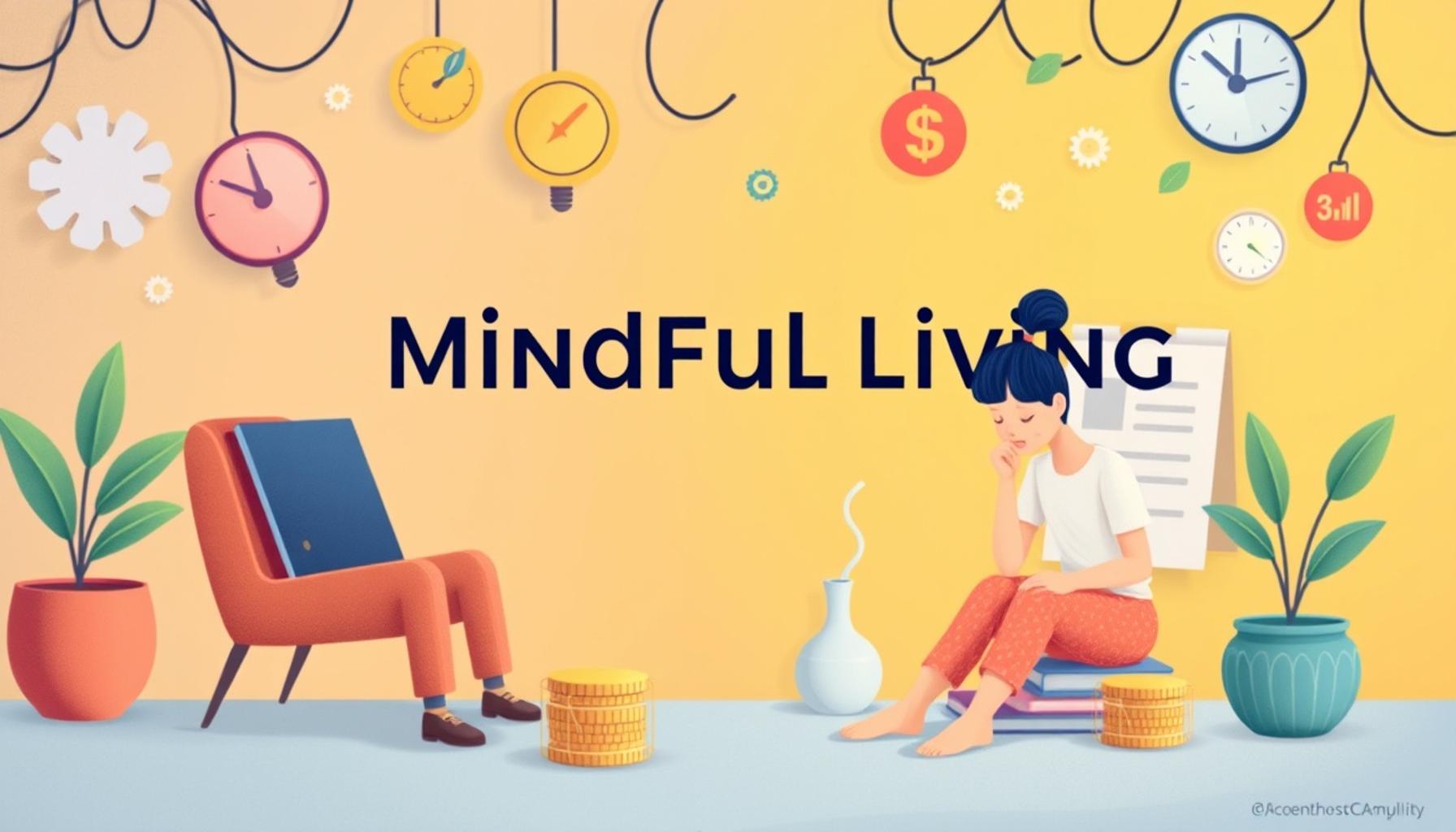
Minimalism and Mindfulness: The Connection between What We Own and What We Value

The Minimalism Movement: A Counter-Cultural Shift
In today’s hyper-consumerist society, where shopping is often equated with happiness, the minimalism movement stands as a beacon of simplicity and intentional living. It invites individuals to reflect deeply on what they possess and, perhaps more importantly, why they possess it. By embracing minimalism, individuals often discover an unexpected clarity and purpose that transforms their relationship with material goods.
Clarity and Clutter
One of the most immediate and profound impacts of minimalism is clarity. When we strip away the excess belongings cluttering our spaces, we make room for mental clarity as well. The act of decluttering can be therapeutic; studies show that reducing physical clutter may reduce stress and anxiety levels. Imagine stepping into your home and feeling a sense of peace rather than chaos. A study by the Princeton University Neuroscience Institute found that physical clutter can compete for your attention, leading to decreased focus and increased feelings of overwhelm.
Focus on the Present
Minimalism teaches us the value of focus. By consciously choosing to surround ourselves only with objects that add value to our lives, we eliminate distractions. This concept is echoed in practices like digital detox, where individuals limit their use of devices to cultivate a greater awareness of their surroundings. For those overwhelmed by the noise of everyday life—whether it’s a smartphone buzzing with notifications or a house overflowing with items—embracing minimalism can lead to a more present and fulfilling life experience.
Intentional Living
This journey of minimalism encompasses a notion of intentionality. Each possession we keep should have a purpose, whether it’s functional, aesthetic, or sentimental. In the American context, where brand loyalty often dictates purchases, examining the emotional connections to our items becomes essential. For instance, do we truly cherish the lavish designer handbag, or is it merely a status symbol that contributes to our identity? More often than not, individuals might find themselves purchasing items not out of necessity, but to project a certain lifestyle or status.
The Mindful Consumer
Mindfulness complements minimalism beautifully, urging us to consider the emotional ties we have with our belongings. It prompts profound questions, such as what do our possessions say about us? and how does our attachment shape our identities? Understanding these dimensions can help us recognize whether we are seeking fulfillment through consumption or making thoughtful choices that reflect our true selves.
Ultimately, the synergy of minimalism and mindfulness encourages us to challenge the conventional views of success defined by material accumulation. Embracing these philosophies may not only transform our living spaces but can significantly reshape our lives, fostering a lifestyle rooted in authenticity rather than clutter. As more people seek fulfillment beyond traditional metrics of success, the exploration of our relationships with possessions continues to gain relevance in everyday conversations.
DISCOVER MORE: Click here to delve deeper
The Impact of Decluttering on Mental Well-Being
As we delve deeper into minimalism, it becomes increasingly clear that decluttering does more than just clear our spaces—it can significantly enhance our mental well-being. The process of letting go of possessions can evoke a sense of liberation, allowing individuals to break free from the emotional weight that comes with excessive belongings. A report from the National Institute of Mental Health suggests that creating an organized environment can lead to reduced anxiety, improved mood, and increased productivity. The connection between our surroundings and mental health cannot be overstated; when we diminish the chaos in our homes, we often achieve greater tranquility in our minds.
Understanding Attachment to Possessions
Our relationship with material goods runs deep, making it essential to understand attachment theory in the context of minimalism and mindfulness. Often rooted in our upbringing, attachments to possessions can be tied to memories, accomplishments, or status. Consider the following aspects of possession attachment:
- Sentimental Value: Items inherited from loved ones, such as jewelry or furniture, may carry emotional significance that complicates our ability to let go.
- Status Symbols: In a culture where social media amplifies perceptions of success, some may hold onto luxury goods as a reflection of their identity.
- Fear of Regret: Individuals frequently fear that they might need a discarded item in the future, leading to indecision and inertia.
By recognizing the factors contributing to our attachment, we can thoughtfully navigate the decluttering process. Engaging in mindfulness practices allows individuals to observe these feelings without judgment, fostering a more comprehensive understanding of their motivations and habits regarding ownership.
The Role of Mindful Consumption
Embracing minimalism isn’t solely about what we remove from our lives, but also about the choices we make in what we invite in. Mindful consumption encourages individuals to be deliberate in their purchases, considering how each item aligns with personal values and sustainability. This approach promotes a culture of quality over quantity, challenging the norm of mindless consumerism. Factors influencing mindful consumption include:
- Quality: Investing in well-made items that last longer can lead to a more fulfilling ownership experience.
- Functionality: Prioritizing items that serve multiple purposes can streamline living spaces and enhance practicality.
- Ethical Production: Supporting brands with sustainable practices fosters a conscious relationship with consumption and promotes environmental well-being.
As we navigate the intersection of minimalism and mindfulness, these considerations can significantly reshape our approach to ownership. By addressing the emotional underpinnings of our belongings, we may find that the journey to a minimalist lifestyle not only curates our physical space but also enriches our lives with authenticity and purpose.
Exploring the Impact of Minimalism on Personal Values
The philosophy of minimalism goes beyond simply decluttering physical spaces; it delves into the depths of our personal values and how they shape our decision-making processes. As we begin to let go of excess belongings, we inadvertently create space for self-reflection and mindfulness. This introspection allows us to reevaluate what truly adds value to our lives. In this digital age, where consumerism can easily cloud our judgment, embracing a minimalist lifestyle serves as a vital reminder of the importance of quality over quantity.
The Psychological Benefits of Decluttering
Studies have shown that a clutter-free environment can significantly enhance our mental health. By surrounding ourselves with only items that contribute positively to our lives, we experience reduced anxiety and increased focus. Minimalism fosters a sense of calm, enabling individuals to prioritize well-being over material possessions. As we downsize our belongings, we often find ourselves forming deeper connections with what remains—turning our attention towards meaningful experiences rather than the pursuit of things.
Mindfulness in Consumption
Incorporating mindfulness into our purchasing habits can further solidify the connection between ownership and values. Consumer decisions become less about fulfilling societal expectations and more about aligning with personal beliefs. Choosing sustainable, ethically sourced products not only supports responsible consumerism but also reflects a commitment to values that transcend material wealth. As we become more intentional in our consumption, we strengthen our relationship with both ourselves and the world around us.
| Category | Key Benefits |
|---|---|
| Mental Clarity | Reduced distractions lead to better focus and productivity. |
| Emotional Well-being | Less clutter contributes to lower anxiety and stress levels. |
| Sustainable Choices | Encourages purchasing from ethical brands aligned with personal values. |
As we continue to explore the interplay between minimalism and mindfulness, recognizing how our choices reflect our values is paramount. Each deliberate decision to simplify allows for a more profound understanding of ourselves and our needs, transforming our lives from one of accumulation to one of intention.
DISCOVER MORE: Click here to learn about the psychology of space
The Transformative Power of Intentional Living
The journey into minimalism and mindfulness often leads individuals to reconsider their entire lifestyle. This transformative power is grounded in the principles of intentional living, which advocates for making conscious choices that align with values and aspirations. By curating both our physical and emotional environments, we create a life of coherence and clarity. Intentional living encourages us to do more than just declutter our spaces; it implores us to evaluate our daily habits, relationships, and practices to ensure they contribute positively to our personal growth.
Intentional Relationships With Things
An aspect of intentional living that resonates deeply within minimalism is our relationship with things. Every object we own speaks to us about our past and, in some cases, dictates our future. As we become more aware of this relationship, we can begin to see possessions not merely as items but as extensions of our identity. The essence of intentional relationships lies in the following:
- Prioritization: Assessing which items truly add value to our lives. This calls into question the sheer volume of our belongings and nudges us towards choosing only those that enhance our experience.
- Mindful Maintenance: Investing time and energy into caring for items we choose to keep. This can lead to a deeper appreciation of their utility and can also foster a sense of responsibility towards our consumption habits.
- Gratitude Practices: Embracing gratitude for what we possess can lead to a profound mindset shift. By reflecting on the benefits that specific items bring into our lives, we nurture contentment rather than constantly yearning for more.
Minimalism as a Catalyst for Mindful Living
Minimalism does not only result in a simpler environment; it also acts as a catalyst for mindful living. When we learn to live with less, we can deepen our experiences in a multitude of ways. Here are some powerful outcomes of integrating minimalism into daily life:
- Increased Focus: Without the distractions of excess, individuals can hone in on their pursuits and passions, fostering improved concentration and creativity.
- Time Management: A minimalist approach often frees up time previously consumed by maintenance and organization, allowing people to invest their energy in activities that align with their values.
- Richer Experiences: As we pare down material possessions, we create the opportunity to invest in experiences—traveling, learning, or developing new relationships—that hold more lasting significance than physical items.
In the context of an increasingly fast-paced digital age, the simplicity of minimalism can counteract the chaos born of consumer culture. Studies have shown that a minimalist lifestyle can reduce overall stress levels and promote emotional resilience. As individuals redefine what they own versus what they value, they can achieve a profound sense of fulfillment and purpose. In doing so, they become not just curators of their belongings, but masters of their narrative, unlocking the potential for a life rich in meaning.
DIVE DEEPER: Click here to discover more
Embracing a Meaningful Existence
As we arrive at the intersection of minimalism and mindfulness, it becomes increasingly clear that our possessions are not just material items, but reflections of our values and priorities. The journey towards intentional living empowers us to recognize the significance of what we own, urging us to foster a deeper connection with each possession. By consciously choosing to surround ourselves with only those items that inspire joy and serve a purpose, we create not only a curated space, but also a curated life.
This synergy between minimalism and mindfulness also challenges us to rethink our consumption habits. In a world where materialism frequently dominates, understanding the connection between what we own and what we value paves the way for more sustainable choices. The principles of intentional living can guide individuals to live more authentically, aligning their belongings with their core desires and aspirations.
As we continue to embrace the transformative power of this philosophy, we can derive invaluable lessons about contentment, appreciation, and mental clarity. Minimalism and mindfulness serve as powerful tools that encourage us to pare down distractions and cultivate meaningful experiences. This holistic approach not only alleviates stress but also enriches our lives by inviting more satisfying pursuits.
In conclusion, the exploration of minimalism and mindfulness bridges the age-old question of what it means to lead a fulfilling life. Through mindful curation, appreciation, and simplification, we unlock the profound potential of living with intention, ultimately transforming our surroundings into reflections of our true selves.
Related posts:
Creating Conscious Routines: How Minimalism Helps Manage Time and Energy
Digital Minimalism: Cultivating Mindfulness in a Connected World
Harmonizing Time: The Importance of Mindful Living in Time Management and Personal Organization
Minimalist Organization: Strategies to Integrate Mindfulness into Cleaning and Tidying Routines
Mindful Living and Stress Reduction: The Intersection of Minimalism and Mental Health
The Art of Letting Go: How Mindful Living Enhances Minimalism

Beatriz Johnson is a seasoned digital lifestyle strategist and green tech writer with a passion for demystifying sustainable technology and eco-conscious living. With over a decade of experience at the intersection of innovation and sustainability, she specializes in topics like smart home solutions, renewable tech applications, and global trends in green digitalization. Through her work on our platform, Beatriz empowers readers to make informed choices about adopting planet-friendly technologies while optimizing their digital lives for both efficiency and environmental impact.