Practical Strategies to Reduce Clutter in Different Home Environments
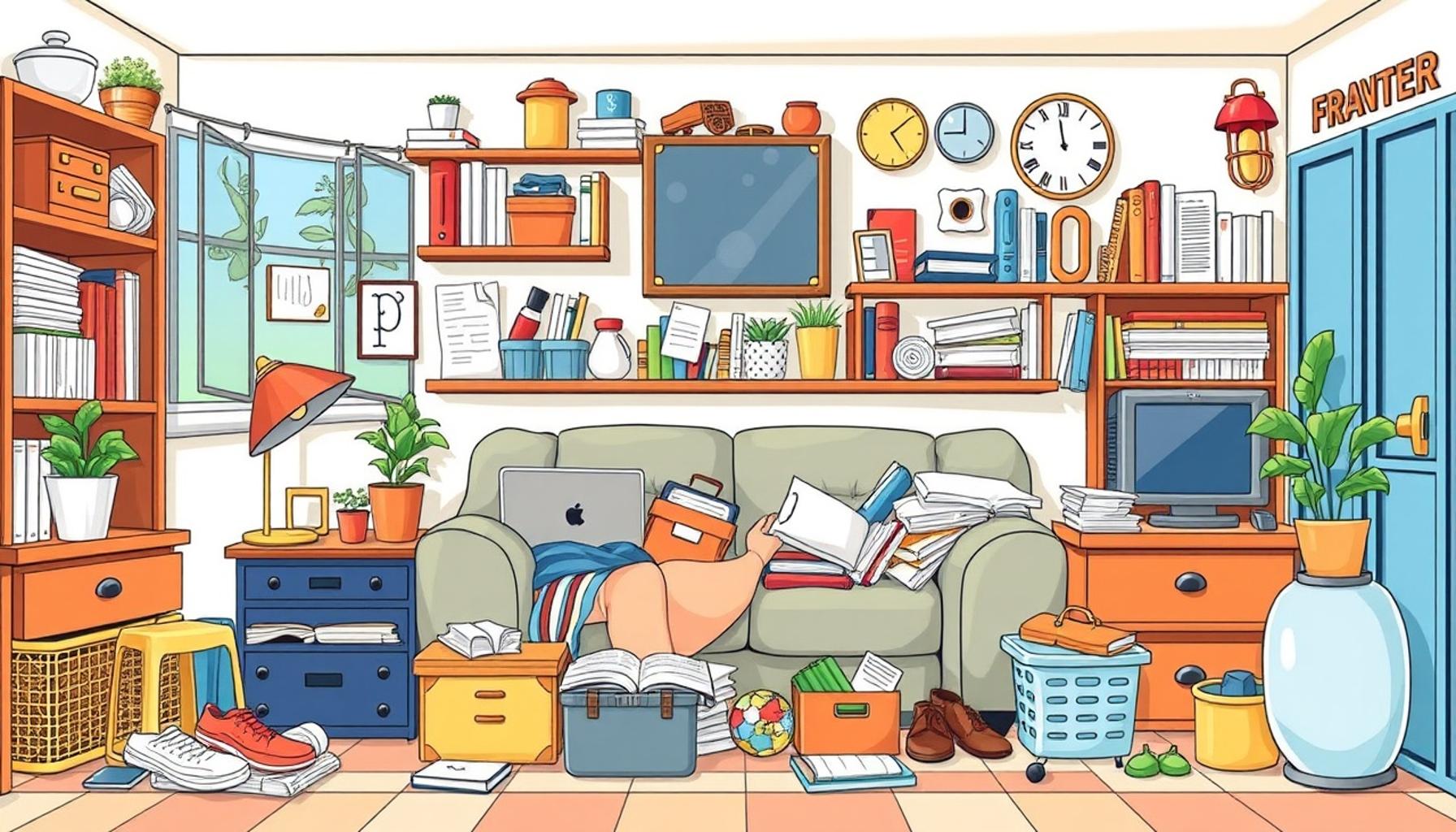
The Overwhelming Nature of Clutter
Many households experience the sheer weight of clutter as it accumulates in various spaces, making day-to-day living feel chaotic. From that stack of shoes by the entryway to bulging kitchen cabinets, clutter can disrupt your peace of mind. Fortunately, there are practical strategies that empower individuals to reclaim their homes and create a more organized environment. Understanding how to manage clutter involves recognizing the unique challenges presented by different rooms in a household.
Room-Specific Clutter Management Techniques
Each area of your home provides distinct opportunities for effective organization. By addressing the clutter in a targeted way, you can make noticeable changes in your living environment.
- Living Rooms: Consider investing in multi-functional furniture such as ottomans with storage or coffee tables that double as workspaces. Not only do these pieces maximize space, but they also maintain an inviting atmosphere. For example, a stylish trunk can serve as both a coffee table and a storage solution for children’s toys or blankets.
- Kitchens: Implementing a ‘one in, one out’ rule for appliances helps maintain a clutter-free countertop. For instance, when you bring in a new blender, consider donating or disposing of an older, less-used appliance to keep your kitchen organized. Additionally, utilizing hanging racks or magnetic strips for knives can open up precious counter space.
- Bedrooms: Adopt seasonal wardrobe rotations by storing off-season clothing in bins or vacuum-sealed bags. This approach not only frees up space in your closet but also makes it easier to access the clothes you love during the right time of year. For example, packing away heavy winter coats during spring can provide more room for summer attire.
- Home Offices: Establish a robust filing system to streamline your paperwork. Categorizing documents into labeled folders—like taxes, contracts, and personal matters—can enhance efficiency. Digitalizing important papers is another great way to minimize physical clutter while ensuring you have access to key documents at your fingertips.
The Bigger Picture: Benefits Beyond Aesthetics
Implementing these strategies does more than just tidy up your space; it fosters a sense of peace and clarity that can boost productivity and enhance mental well-being. In a society increasingly drawn to minimalism and intentional living, even small adjustments can lead to profound transformations. Research shows that a clutter-free environment can reduce stress and improve focus, making it easier to tackle daily tasks and responsibilities.
Embark on Your Journey to a Clutter-Free Home
As you explore these various strategies tailored to different spaces in your home, you’ll discover that the journey toward a clutter-free lifestyle is both rewarding and enlightening. Each small step you take can have cascading effects on your overall well-being and quality of life. Embrace the process, and uncover the myriad benefits that come from living intentionally and mindfully in your own space.
DIVE DEEPER: Click here to uncover the connection between space and mental health
Tailoring Clutter Solutions to Unique Spaces
While clutter may emerge in various forms across different areas of a home, addressing it effectively requires tailored solutions that consider the unique characteristics of each space. By implementing targeted strategies in your living environment, you can significantly reduce clutter while simultaneously enhancing functionality and aesthetics. Here are some insights into effective clutter management techniques categorized by specific rooms.
- Bathrooms: Utilize vertical storage solutions by adding shelves above the toilet or command hooks for towels. This utilizes often-overlooked wall space, ensuring essentials like toiletries and linens are neatly stored without overcrowding counters. Moreover, opting for baskets under the sink can help organize smaller items, making them easily accessible while keeping the area clean.
- Garages: The garage is notorious for becoming a catch-all space. Implementing pegboards for tools and using clear plastic bins for seasonal decorations can make a remarkable difference. Creating designated zones, such as a section for gardening supplies and another for sports equipment, not only helps in visually separating items but also simplifies the process of returning items to their rightful places.
- Entryways: To combat the influx of shoes, bags, and other items at your home’s entrance, consider using a stylish shoe rack and a designated area for bags. Incorporating a small bench with storage can also serve as a practical element for putting on and taking off shoes while keeping the entryway tidy. Hooks for coats and hats can promote an organized atmosphere that welcomes both residents and guests alike.
- Basements: These spaces often transform into cluttered zones filled with forgotten items. Establishing a decluttering protocol, such as the ’12-month rule’—if you haven’t used an item in the past year, it’s time to part with it—can effectively lighten the load. Additionally, categorizing items by usage (holiday decorations, sports gear, etc.) and using labeled bins can enhance both accessibility and visibility.
Bringing order to your living environment requires consistent attention and a proactive approach. By understanding the nuances of each space and employing practical strategies, you can create a more functional home that reflects your lifestyle. These methods not only tackle clutter but contribute to a sense of harmony and intentionality within your living spaces.
How Clutter Affects Daily Life
The effects of clutter extend beyond mere aesthetics; they permeate our daily lives, influencing mental clarity, productivity, and even our emotional well-being. Studies suggest that excessive clutter can lead to increased stress levels and a sense of being overwhelmed. Thus, investing time in addressing these issues can yield significant benefits, allowing for a healthier and more fulfilling living experience. By embracing these room-specific strategies, you can take a meaningful step towards a clutter-free home and ultimately a more satisfying lifestyle.
Practical Strategies for Reducing Clutter in Different Home Environments
Clutter can be overwhelming, whether it’s in your living room, kitchen, or bedroom. Implementing targeted strategies can significantly enhance the functionality and aesthetics of your space. Below are effective strategies tailored for specific environments that will help you regain control and create a more serene home atmosphere.
| Category | Key Features |
|---|---|
| Living Room | Incorporate multi-functional furniture, such as storage ottomans and coffee tables. |
| Kitchen | Utilize vertical storage solutions and drawer dividers to keep countertops clear. |
| Bedroom | Adopt an organized closet system with bins and labels to manage clothing efficiently. |
Each strategy is designed not only to tackle clutter but also to create a more inviting and serene atmosphere. Utilizing these practical approaches will not only optimize your space but also improve your overall well-being. By creating designated areas for frequently used items and employing storage solutions, you can reduce the chaos and enhance your living experience.
Moreover, don’t forget to implement a routine declutter schedule. Whether it’s weekly, monthly, or seasonal, regular maintenance will help in keeping your home organized in the long run. The key is consistency and mindfulness toward what you bring into each space.
Remember, the journey to a clutter-free environment begins with small, actionable steps. With the right tools and mindset, you can transform your home into a sanctuary of calm.
DISCOVER MORE: Click here to learn about the psychology of space
Smart Techniques for Managing Clutter in Every Room
Beyond room-specific strategies, there are several overarching techniques that can be applied across various home environments, promoting a clutter-free lifestyle while maximizing space and efficiency. By embracing these methods, you can create a more harmonious living space that contributes to a balanced daily life.
- Employ the One-In, One-Out Rule: For every new item you bring into your home, consider removing one that you no longer need or use. This strategy not only prevents the accumulation of excess goods but encourages mindful purchasing. By applying this practice to clothing, household items, or even books, you create an organic system that maintains your living space’s tidiness.
- Mindful Donation and Disposal: Set aside a regular time, perhaps monthly or seasonally, to evaluate items that are no longer serving a purpose. Local charities often appreciate donations, and many organizations will even arrange pick-up services for large items. By proactively addressing clutter through donations or disposals, you not only cleanse your space but also contribute to your community.
- Create Multi-Functional Spaces: With the rise of remote work and smaller living environments, multi-functional spaces have become essential. Invest in furniture that serves multiple purposes, such as a sofa bed for guests or a coffee table with hidden storage. This approach not only minimizes the need for excess furniture but also maximizes the utility of each space, making it easier to keep items organized.
- Designate a Clutter Zone: Rather than striving for complete perfection, allocate a specific area in your home where miscellaneous items can temporarily reside. This ‘clutter zone’ can serve as a holding area for items awaiting a proper place, thereby reducing frustration. Set a goal to regularly review this area and remove items that can be discarded or organized.
Integrating storage solutions that reflect your personal tastes, such as stylish boxes or aesthetically pleasing shelving, can enhance the overall visual appeal of your home while also serving functional purposes. A beautiful storage unit can seamlessly blend into your décor, eliminating the traditional perception of clutter by encouraging a more attractive organization of items.
The Psychological Benefits of a Clutter-Free Environment
The relationship between clutter and mental well-being is well-documented; it is significant to understand how a decluttered space can lead to a clearer mind. Research shows that maintaining a tidy environment can enhance focus, reduce anxiety, and even improve productivity levels. By investing time and energy into organizing your home, you are simultaneously fostering an environment conducive to better mental health.
Incorporating these practical strategies into your daily life not only aids in reducing physical clutter but also paves the way for emotional clarity and peace. Whether you reside in a bustling city apartment or a spacious suburban home, tackling clutter with intention will ultimately contribute to a more satisfying living experience.
DISCOVER MORE: Click here to learn about the connection between space and mental well-being
Conclusion: Embracing a Clutter-Free Lifestyle
In a world where our possessions can quickly multiply, adopting practical strategies to reduce clutter is essential for creating a balanced home environment. By implementing the techniques discussed, individuals can transform their spaces into sanctuaries of calm and organization. Whether using the One-In, One-Out Rule to maintain balance or designating specific clutter zones to ease the pressure of perfection, there are countless ways to make decluttering manageable.
Furthermore, embracing regular donation and disposal practices not only helps manage physical space but also fosters a sense of purpose within the community. It’s important to remember that a clutter-free environment is not merely about aesthetics; it significantly enhances mental well-being. A tidy and organized home can lead to improved focus, reduced stress, and heightened productivity levels, essential in today’s fast-paced lifestyle.
As you explore various methods to maintain a clutter-free space, consider the psychological benefits that come with it—creating not just a physical space, but a mental oasis that nurtures clarity and serenity. Whether you inhabit a cozy apartment or a spacious family home, by embracing these strategies and committing to regular upkeep, you invite not just order into your surroundings but also peace into your life. This journey towards minimalism and organization is not just about reducing clutter; it’s about enriching your quality of life.
Related posts:
The Impact of Clutter on Productivity: How an Organized Environment Can Enhance Your Work Performanc...
The Art of Letting Go: Practical Strategies to Reduce Clutter at Home
The Psychology of Clutter: Emotional Impacts of Messiness and How to Overcome Them
Transforming Your Routine: How Decluttering Boosts Daily Productivity
The Impact of Clutter on Mental Health and How Minimalism Can Help
Strategies for Clutter Reduction for Parents: Keeping Order in a Family Home

Beatriz Johnson is a seasoned digital lifestyle strategist and green tech writer with a passion for demystifying sustainable technology and eco-conscious living. With over a decade of experience at the intersection of innovation and sustainability, she specializes in topics like smart home solutions, renewable tech applications, and global trends in green digitalization. Through her work on our platform, Beatriz empowers readers to make informed choices about adopting planet-friendly technologies while optimizing their digital lives for both efficiency and environmental impact.