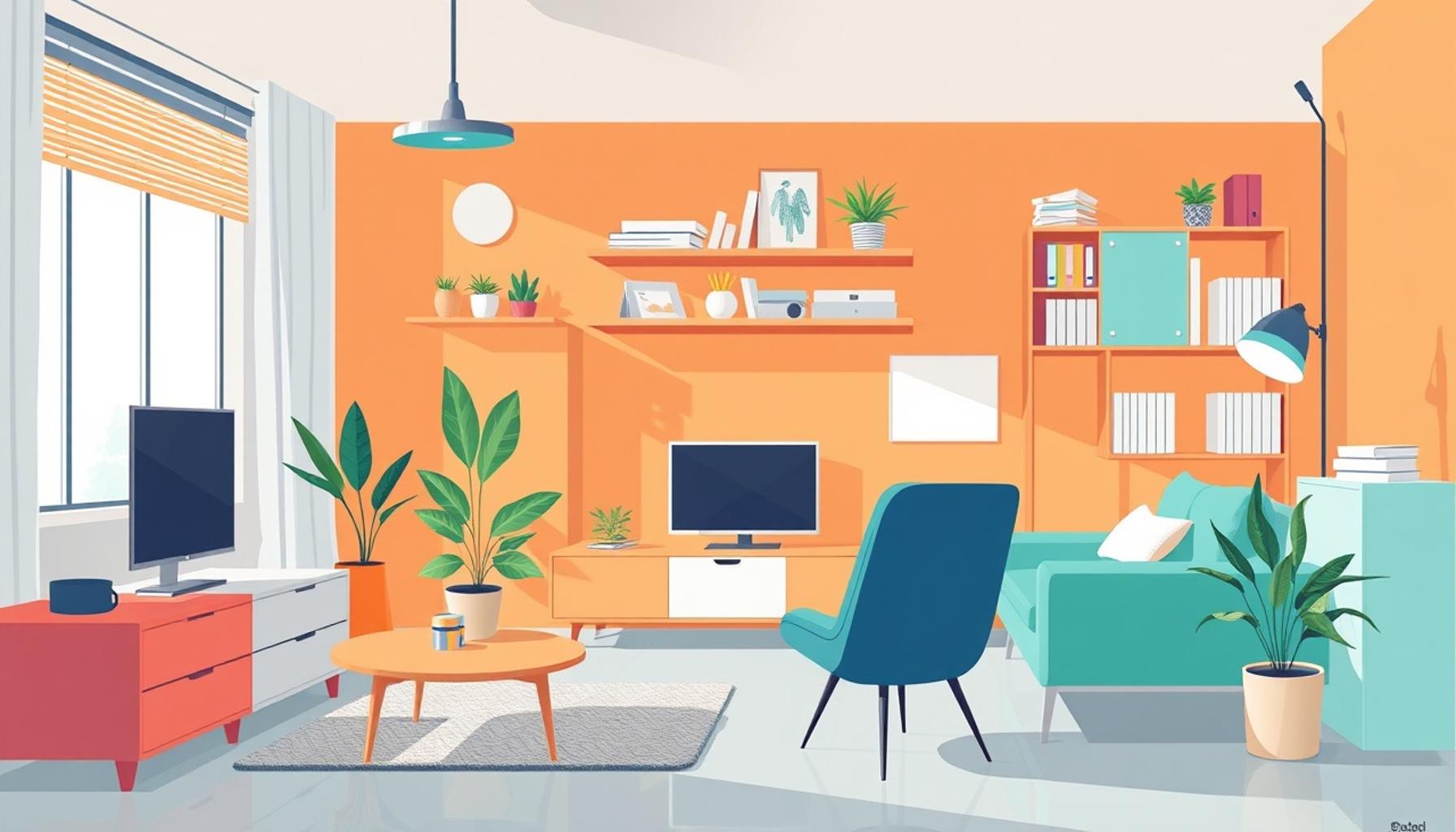
Multifunctional Furniture: The Key to Optimizing Spaces in Minimalist Lifestyles

The Rise of Multifunctional Furniture
Urban living continues to evolve, presenting unique challenges as city dwellers grapple with smaller living spaces. In response to these constraints, there has been a meteoric rise in the popularity of multifunctional furniture. These innovative designs embrace minimalism and efficiency, allowing individuals to fully utilize every square foot of their homes without sacrificing comfort or style.
Multifunctional furniture is not just a design trend; it represents a fundamental shift in how we perceive space and functionality. As lifestyles become more dynamic and the line between living, working, and socializing blurs, the need for furniture that easily adapts to our changing needs becomes paramount.
Benefits of Multifunctional Furniture
- Space-saving designs: Innovative solutions such as sofa beds, foldable desks, and nestable dining tables allow individuals to reclaim precious space in their homes. For example, a sofa bed offers the dual benefit of providing seating during the day and transforming into a comfortable sleeping area at night, making it ideal for studio apartments or guest accommodations.
- Versatility: Items like ottomans with hidden storage compartments and extendable coffee tables not only enhance the aesthetic appeal of a room but also serve multiple functions. An ottoman can function as a footrest, extra seating, or even a coffee table when paired with a tray, thus optimizing utility without clutter.
- Cost-effectiveness: By investing in fewer but high-quality items that serve multiple purposes, homeowners can save money while simplifying their decor. Instead of buying a separate bed, sofa, and storage unit, a well-designed multifunctional piece can fulfill all these roles, reducing both costs and the need for excessive shopping.
In the United States, where many urban dwellers reside in apartments with limited square footage, the importance of multifunctional furniture cannot be overstated. Data from a recent survey shows that nearly 80% of city residents prefer items that enhance space efficiency, making multifunctional furnishings not just practical but essential.
This article will delve into the various types of multifunctional furniture designed to optimize your living space and elevate your minimalist lifestyle. From ergonomic choices to cutting-edge designs that marry functionality with style, readers will uncover valuable insights into how to curate a comfortable yet efficient home environment.
We will also provide practical tips for selecting the right multifunctional pieces that align with individual lifestyles, ensuring that your home is not only a reflection of your personality but also a sanctuary of efficiency and comfort.
DIVE DEEPER: Click here to understand the connection between organization and mental health
Maximizing Functionality in Compact Living Areas
The design of multifunctional furniture transcends mere aesthetics; it embodies a philosophy that values functionality without compromising style. For many, especially in urban areas where real estate is at a premium, this furniture is not a luxury but a necessity. By intelligently integrating design features that cater to various needs, these pieces encourage residents to optimize their living environments creatively.
One essential aspect of multifunctional furniture is its unique ability to adapt to varied uses. The versatility of such pieces invites creativity, allowing inhabitants to transform their spaces according to the time of day or their activities. For instance, a wall-mounted fold-out desk can serve as a workspace during office hours, while folding back into the wall creates a minimalist art display in the evenings. This transformation not only enhances visual appeal but also makes a small space feel more expansive.
Popular Multifunctional Furniture Options
Today’s market offers a plethora of options that cater to different needs and preferences, ensuring there is something for everyone. Here are some popular choices that stand out:
- Sofa beds: These dual-purpose pieces combine stylish seating with a comfortable sleeping area, making them perfect for nighttime guests.
- Extendable dining tables: Perfect for hosting gatherings, these tables can be compact for daily use and expanded when entertaining friends or family.
- Murphy beds: These beds fold into the wall when not in use, transforming a bedroom into a versatile space for relaxing or working.
- Ottomans with storage: Functioning as both footrests and stylish seating, these ottomans often come with hidden compartments for stowing blankets or other essentials, helping to keep living areas clutter-free.
- Modular shelving units: These adaptable systems can be rearranged to fit the user’s evolving storage needs, allowing for both decorative and practical organization.
According to a recent report, the U.S. furniture market is projected to grow significantly due to the increasing demand for multifunctional pieces. This trend reflects a broader societal shift towards minimalism and efficiency, particularly as more individuals prioritize sustainable living. The cost-effectiveness of purchasing fewer items that serve multiple purposes is appealing, especially for millennials and Gen Z consumers striving to maintain budgets amidst rising living costs.
Furthermore, multifunctional furniture aligns beautifully with the sustainable living ethos. Reducing the number of furnishings typically leads to less waste, while thoughtfully designed pieces often include eco-friendly materials. This combination of minimalism and sustainability not only enhances personal comfort but contributes positively to the broader environment.
In summary, the move towards multifunctional furniture is more than a trend—it’s an essential response to modern living’s demands. As urban residents strive to balance space, function, and lifestyle, embracing these innovative designs can unlock a world of possibilities in small living spaces, allowing homeowners to live efficiently and stylishly.
| Category | Advantages |
|---|---|
| Space-Saving Solutions | Multifunctional furniture maximizes utility without occupying excess space, offering innovative designs like hidden storage and transformable pieces. |
| Aesthetic Appeal | These pieces contribute to a clean and modern aesthetic, allowing minimalist lifestyles to flourish while maintaining an organized environment. |
When nurturing a minimalist lifestyle, functionality and design must work in harmony. Multifunctional furniture proves invaluable, enabling residents to optimize their living spaces while adhering to minimalist principles. Pieces such as convertible sofas or nesting tables represent versatility while enhancing the living environment’s visual appeal. They embody the concept of smart living, replacing bulky furniture that often hinders space and limits usability.Additionally, consider the role of customizable furniture in achieving a personalized touch, allowing individuals to curate their spaces according to specific needs. With the growth of urban living, where square footage is often limited, embracing innovative furniture designs can lead to more enjoyable and efficient living. Each piece you choose becomes a testament to how smart solutions can elevate lifestyle, making multifunctional furniture an essential part of modern interior design. Exploring these options further not only enhances practicality but also invites creativity within serene surroundings.
DISCOVER MORE: Click here to learn about the psychology of space
Enhancing Aesthetic Appeal While Saving Space
Beyond functionality, multifunctional furniture plays a pivotal role in uplifting the overall aesthetic of a living space. In minimalist lifestyles, where every item contributes to the ambiance, the design must evoke emotions and reflect the homeowner’s personality. Increasingly, designers are blending elegance with practicality, resulting in furniture that not only serves multiple purposes but also serves as a centerpiece in home decor.
Consider the rise of the modern console table, which can act as a stylish entryway fixture while doubling as a mini workstation or additional storage. With clean lines and customizable finishes, these tables cater to diverse tastes, facilitating effortless integration into any decor scheme. As decorative pieces, they provide a touch of sophistication, seamlessly enhancing the visual experience of compact homes.
The Importance of Customization
Personalization is another crucial factor in making multifunctional furniture resonate within a minimalist lifestyle. With the demand for tailored solutions rising, many brands allow customers to choose fabrics, colors, and features suited to their specific needs. Customized sectional sofas, for instance, are growing in popularity. These versatile solutions can be rearranged to suit various occasions and can include additional compartments for blankets or books, contributing further to the minimalist aesthetic.
A modern iteration of this trend is evident in furniture-as-a-service, where consumers rent pieces that can be swapped out based on changing needs. This outcome not only provides flexibility but also promotes a conscious consumption model, reducing waste while ensuring residents can adapt their homes as life evolves.
Innovative Designs Driving Market Growth
As noted earlier, the U.S. furniture market is predicted to expand significantly over the coming years, with a substantial part of this growth driven by innovation in multifunctional designs. Strategies such as integrating technology with furniture—think built-in speakers or charging ports in coffee tables—are garnering attention. Such technology-infused designs cater to the digital-savvy consumer, all while preserving the aesthetic of a clean, minimalist home.
For example, brands like Burrow are crafting sofas that not only adapt to various living arrangements but also include USB ports and modular components, underscoring the potential of multifunctional furniture to cater to the modern lifestyle. This trend is also supported by recent statistics indicating that 74% of millennials prioritize furniture that maximizes utility while enhancing decor. The fusion of tech and clever design thus emerges as a key consideration for consumers.
The Role of Sustainability in Furniture Selection
In addition to functionality and style, sustainability is now a significant consideration for many consumers. Brands that utilize reclaimed materials or adopt eco-friendly manufacturing processes are gaining ground among environmentally conscious shoppers. Furniture pieces that serve multiple roles reduce the need for excess items, supporting sustainable living through thoughtful consumption.
According to a survey by the American Home Furnishings Alliance, 80% of consumers prefer brands that highlight their commitment to sustainability. Such a trend compels manufacturers not only to embrace environmentally friendly practices but also to promote multifunctional pieces that can serve a dual purpose without compromising quality or design.
The ongoing evolution of multifunctional furniture presents numerous opportunities for individuals to cultivate stylish and efficient living environments. With an array of choices available, homeowners can create spaces that exist at the intersection of comfort, aesthetics, and sustainability—an essential journey for those embracing minimalist lifestyles.
DIVE DEEPER: Click here to discover the impact of organization on your mental well-being
Reimagining Living Spaces with Multifunctional Furniture
In an era where space is at a premium, multifunctional furniture emerges as a game-changer for optimizing living environments, especially within minimalist lifestyles. As consumers increasingly seek versatility, style, and sustainability, the furniture industry is responding with innovative designs that fulfill these needs. From customizable sectional sofas to tech-integrated tables, the market is witnessing a remarkable shift towards pieces that harmonize functionality and aesthetic appeal.
Furthermore, the emphasis on personalization allows homeowners to curate their spaces in a way that reflects their individuality while maximizing utility. It is no longer just about filling a room with furniture—it’s about creating an experience that resonates with one’s lifestyle. The growing trend of furniture-as-a-service embodies this shift, promoting agile living arrangements that evolve with the user, enabling eco-conscious choices that minimize waste.
Amidst this evolution, an unwavering focus on sustainability highlights a collective responsibility towards the environment. Consumers are supporting brands that prioritize eco-friendly practices and create products that dual-function, ensuring that every item in their home serves a purpose. As highlighted in recent studies, this growing awareness stands as a testament to the evolving relationship between individuals and their living spaces.
Ultimately, the future of home decor is intricately tied to these multifaceted pieces. By harnessing the power of multifunctionality, homeowners can achieve the perfect balance of comfort and minimalism, transforming their spaces into serene sanctuaries that not only look good but also work hard—proving that less truly can be more.
Related posts:
Smart Furniture: Innovative Solutions to Maximize Space in Minimalist Environments
Smart Storage: Creative Solutions to Make the Most of Every Inch of Space at Home
Creating Zen Environments: Space Optimization Strategies for a Minimalist and Cozy Home
Nomadic Lifestyle: How to Optimize Spaces in Vehicles for a Minimalist Life
Harnessing Natural Light: Space Optimization Strategies for Well-Lit Minimalist Environments
Simplifying Life: Space Optimization Solutions for Minimalist Closets

Beatriz Johnson is a seasoned digital lifestyle strategist and green tech writer with a passion for demystifying sustainable technology and eco-conscious living. With over a decade of experience at the intersection of innovation and sustainability, she specializes in topics like smart home solutions, renewable tech applications, and global trends in green digitalization. Through her work on our platform, Beatriz empowers readers to make informed choices about adopting planet-friendly technologies while optimizing their digital lives for both efficiency and environmental impact.