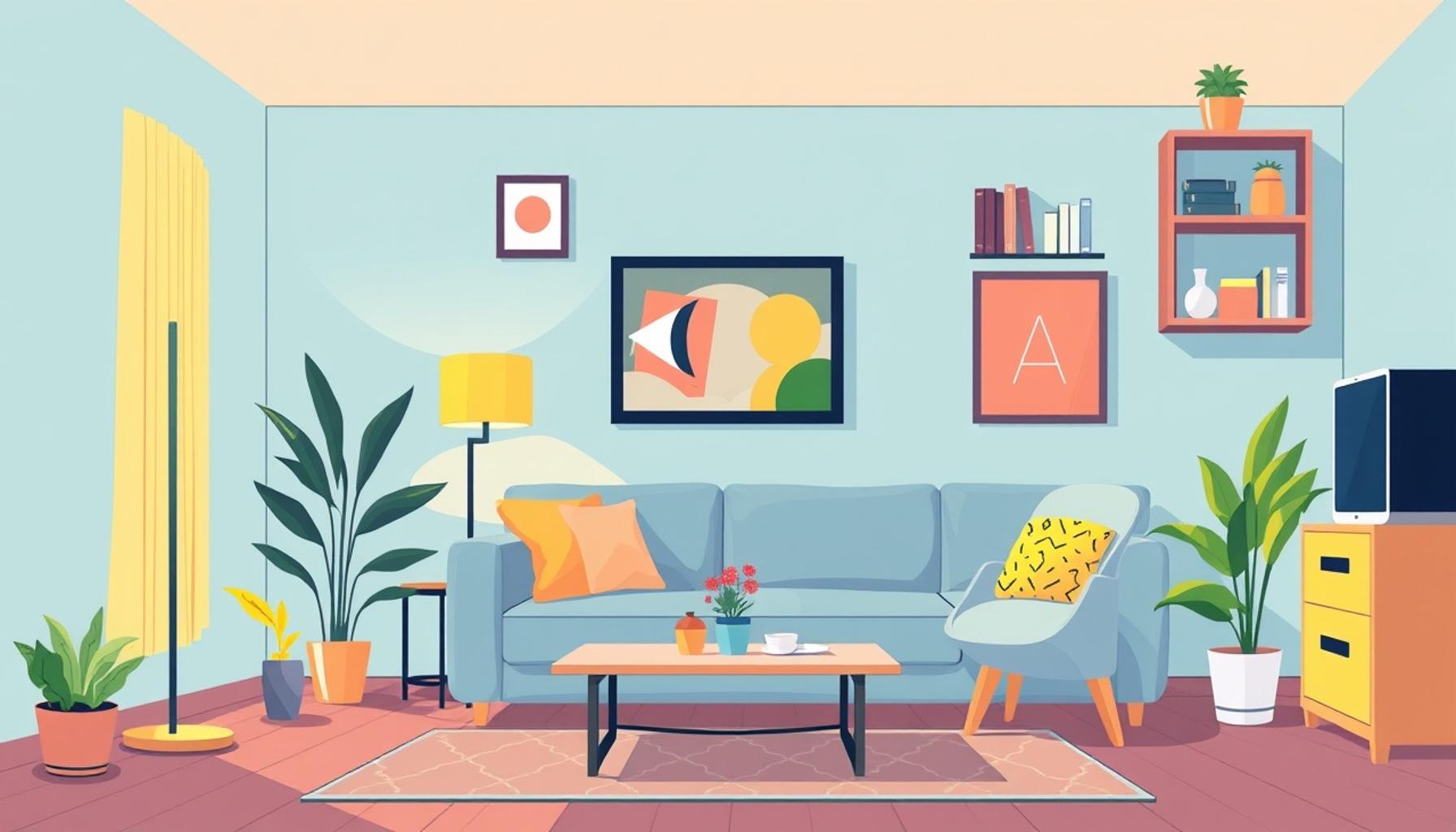
Creating Zen Environments: Space Optimization Strategies for a Minimalist and Cozy Home
Create Your Personal Sanctuary
In an era where the constant hustle of modern life often leads to stress and burnout, creating a calming refuge in your home has never been more important. A zen environment envelops you in tranquility and invites mindfulness, allowing you to reconnect with yourself. This space should be a pause from the outside world—a place where every element is intentionally chosen to enrich your well-being.
To craft your zen oasis, it is essential to employ space optimization strategies that resonate with minimalist principles, focusing on quality rather than quantity. Here are several key elements to consider:
- Declutter: Start by assessing each room through a critical lens. Eliminate items that no longer serve a purpose or evoke positive feelings. Consider the philosophy of the Japanese concept of ‘konmari,’ which encourages you to keep only those things that spark joy. For instance, envision your kitchen, where a clean countertop devoid of unneeded gadgets fosters both functionality and peace.
- Natural Light: Harness the power of sunlight by incorporating sheer curtains that diffuse light softly throughout the day. Positioning mirrors strategically can reflect this light, brightening dim corners and creating an open, airy feel. Studies have shown that natural light can boost mood and productivity, making it vital for your serene retreat.
- Multi-functional Furniture: Opt for furniture that serves dual purposes, such as a stylish bench that offers storage for shoes and bags. A folding table can serve as both an eat-in area and a workspace, allowing for flexibility without clutter. This strategy not only saves space but also encourages a tidy, organized atmosphere.
- Neutral Color Palettes: Choosing soft, neutral tones such as beige, soft gray, or pastel shades can dramatically impact the ambiance of your space. These hues promote a sense of calm and help to create a cohesive look throughout your home. Consider an accent wall painted in a subtle, muted tone to draw the eye while maintaining a peaceful aesthetic.
- Indoor Plants: Integrating plants into your home can vastly improve air quality while introducing a touch of nature indoors. Varieties such as snake plants and peace lilies are not only low-maintenance but also contribute to a relaxing atmosphere. Research has shown that tending to plants can reduce stress and increase feelings of well-being, making them a perfect addition to your zen space.
As you embrace these principles, the journey toward a cozy home transforms into an act of mindfulness in itself. Each decision becomes a reflection of your personal values and lifestyle. By gradually curating your surroundings, you will uncover the profound impact of your intentional choices, cultivating a minimalist retreat that resonates with tranquility and warmth. This practice not only enhances your physical space but can also lead to greater mental clarity and emotional balance in the hustle and bustle of everyday life.
DISCOVER MORE: Click here to learn about the impact of space on mental well-being
Mindful Arrangements: Fostering Harmony and Comfort
Creating a zen environment is not merely about aesthetics; it invokes a deeper sense of harmony that affects both your mental and emotional well-being. By focusing on functional arrangements and intentional designs, you foster an atmosphere that nurtures peace and relaxation. This makes your home not just a living space but a true sanctuary.
One foundational principle in establishing a zen environment is flow. The spatial arrangement should allow for easy movement and connection between areas, removing barriers that can create feelings of anxiety or overcrowding. To implement this, consider the following strategies:
- Zone Your Space: Divide your home into distinct zones that serve specific purposes. For instance, create a reading nook with a comfortable chair and soft lighting, separate from your work area. This helps eliminate distractions and encourages focused time in each space, enhancing your productivity and relaxation.
- Prioritize Open Spaces: Keep pathways clear and furniture minimal. An open floor plan promotes the flow of energy through the home while reducing feelings of confinement. Aim for a layout that allows clear sightlines and effortless movement. This isn’t just visually appealing; it actively contributes to a peaceful atmosphere.
- Personalization: Although minimalism emphasizes simplicity, it also allows for personal expression. Incorporate a few well-chosen decor pieces that resonate with you emotionally. Whether it’s a favorite painting, a cherished photograph, or handcrafted pottery, these items should evoke feelings of joy and nostalgia without overwhelming your space.
- Sound Considerations: An often-overlooked aspect of creating a zen environment is the auditory element. Integrating sound can enhance the calming effect of your spaces. Consider adding a small water fountain or playing gentle ambient music or nature sounds to help drown out disruptive noise and encourage tranquility.
- Textures and Materials: The choice of materials in your home can influence the overall ambiance significantly. Soft textiles, natural woods, and smooth finishes can create a tactile experience that invites comfort. Layering different textures—such as furry throw pillows, soft rugs, or woven baskets—can make a space feel more inviting, fostering a sense of coziness.
Embracing these elements while remaining mindful of their impact will guide you to a more serene living space. As you invest in the design of your home, remember that each choice reflects your desire for tranquility. The delicate balance of functionality and warmth can transform your surroundings into a cozy, minimalist retreat that nurtures your spirit. By continually refining and optimizing your space, you will find not only external harmony but also the internal peace that a zen environment promises.
Creating Harmony Through Color Schemes
Color plays a pivotal role in shaping our environment, and when it comes to creating zen environments, the right palette can enhance tranquility and comfort. Soft, muted tones such as pastel blues, gentle greens, and warm neutrals contribute to a sense of calm. These colors not only visually expand a space, making it feel larger, but they also promote relaxation and mindfulness. Consider utilizing these hues in your choice of paint, decor, and furnishings to cultivate a serene atmosphere.
Multi-Functional Furniture: The Key to Space Optimization
One of the cornerstones of a minimalist approach is using multi-functional furniture. This strategy not only maximizes available space but also reduces clutter, which is essential in maintaining a zen environment. Items such as foldable tables, storage ottomans, and beds with built-in drawers ensure that everything has its rightful place, all while serving multiple purposes. By investing in adaptable furniture, you can seamlessly create a cozy and inviting home that caters to your lifestyle.
Emphasizing Natural Light
Natural light is a fundamental element in any zen space, drastically impacting mood and ambiance. To harness this vital resource, consider using sheer curtains or strategically positioning mirrors to reflect light throughout your home. Creating openings in your space that invite in sunlight can enhance feelings of openness, clarity, and peace. Additionally, incorporating plants aligns with biophilic design principles, bridging the gap between indoor and outdoor spaces, bringing in vibrant life, and enriching your zen experience.
Decluttering: The Art of Letting Go
A zen environment thrives on simplicity, and this can be achieved through the art of decluttering. Begin by parting with items that no longer serve a purpose or resonate emotionally. A well-organized space not only looks aesthetically pleasing but also promotes a clear mind and reduces stress. As you curate your belongings, focus on keeping only those items that bring you joy or are truly functional. This mindful approach encourages deeper connections with the home space, forging a sense of peace and resolution.
Creating Cozy Spaces with Textures
Textures add depth and warmth to your home, enhancing the overall coziness of your environment. Integrating a mix of soft throws, plush cushions, and woven rugs can create an inviting retreat. Layering these textures not only makes your space feel more inviting but also promotes sensory comfort. For those pursuing a zen aesthetic, opt for natural materials such as cotton, linen, and wool to further emphasize warmth and cozy vibes.
| Category | Details |
|---|---|
| Color Schemes | Opt for soft, muted tones for tranquility. |
| Multi-Functional Furniture | Maximizes space while reducing clutter for a zen-like feel. |
By utilizing these strategies, individuals can transform their living spaces into sanctuaries of peace, ensuring each element contributes effectively to the overall ambiance and functionality. Understanding how to balance beauty with practicality is essential when looking to create your own zen oasis.
DISCOVER MORE: Click here to dive deeper
Cohesive Color Palettes: The Power of Minds and Moods
In addition to physical arrangements, the color palette of your home plays a decisive role in shaping a zen environment. Color influences mood and energy levels, so selecting a cohesive scheme that resonates with tranquility is essential. Soft, muted hues such as pastels, earth tones, and shades of blue or green evoke a sense of calm, while stark whites or aggressive colors can spur anxiety. Here are some strategies to help you create a soothing color environment:
- Choose a Base Color: Start with a neutral base like soft whites or light grays to establish an unobtrusive backdrop. These colors create a sense of spaciousness and can make a room feel more open. Neutral palettes provide versatility, allowing for the addition of accent colors that reflect your personality and style.
- Accent Wisely: Limit the use of bold colors to accents to maintain a minimalist aesthetic. Colors like muted terracotta or deep navy can be effective when used sparingly on throw pillows, artwork, or vases. This adds depth and interest without overshadowing the overall calmness of your environment.
- Consider Natural Light: The way natural light interacts with your chosen colors can dramatically change their appearance. Be mindful of how sunlight enters each room throughout the day. For instance, a room bathed in morning light may glow warmly with soft yellows, while an evening atmosphere may favor cooler tones. Paint samples on your walls to see how they resonate with changing light conditions.
- Accent Wall or More: An accent wall can be an excellent way to introduce a bold color without overwhelming the entire space. Choose a wall that serves as a focal point, perhaps behind a bed or a sofa. This creates a grounding element in the room, while other walls can maintain a lighter palette for balance.
Natural Elements: Bringing the Outdoors In
Integrating nature into your home is a powerful way to cultivate a zen environment. Elements from the outdoors can ground and revitalize your living space. The inclusion of plants, natural materials, and even natural lighting enhances both aesthetics and air quality. Here’s how to incorporate these elements:
- Indoor Plants: Bringing in potted plants or succulents not only decorates your home but also purifies the air and increases humidity, making it feel fresher. Plants like peace lilies, snake plants, and pothos are low-maintenance options that flourish in various conditions, promoting a sense of calm and connection to nature.
- Natural Materials: Utilize materials like wood, stone, and bamboo in your furnishings and decor. These organic textures evoke a serene atmosphere that resonates with the principles of minimalism. For example, a reclaimed wood coffee table brings warmth, while slate tiles can provide a tranquil grounding in an entryway or kitchen.
- Creating Views: If possible, position your furniture to maximize views of your outdoor environment. Whether it’s through large windows or a sliding glass door to a backyard, the sight of greenery or water can significantly enhance your sense of peace within the home.
By embracing a thoughtful color palette and introducing natural elements, you can deepen the sense of tranquility in your home. Each of these strategies builds upon the foundation of creating a cozy and engaging space that is truly reflective of your inner calm. As a result, your zen environment becomes a sanctuary where every element works in harmony to inspire mindfulness and relaxation. Further refining these aspects will lead you down the rewarding path of minimalism, where peace becomes not just an ambiance you create, but a way of living.
DISCOVER MORE: Click here to learn how organization affects your mind
Embracing Tranquility: The Final Thoughts on Creating Your Zen Space
In the pursuit of developing a zen environment within your home, the essence lies in thoughtful design and intentional living. By embracing space optimization strategies, from decluttering to choosing cohesive color palettes and integrating natural elements, you can transform your living space into a sanctuary of peace and comfort. The minimalistic approach encourages not only an aesthetic shift but also a significant change in lifestyle where every element serves a purpose and brings joy.
As you reflect on your home’s atmosphere, consider how the combination of muted colors and the presence of natural materials influences your overall well-being. By incorporating plants and optimizing furniture layout to harmonize with natural light, you promote an environment that invites relaxation and mindfulness. It’s essential to remember that creating a cozy home is a continual, evolving process—one that involves experimentation and adjustments as you discover what truly resonates with your sense of calm.
In conclusion, a zen environment is not merely a destination; it is a way of life gently woven into the very fabric of our daily existence. By prioritizing simplicity and embracing the beauty of minimalism, you cultivate an immersive retreat that nurtures your spirit. Take the first step today—rearrange, repaint, or replant—cultivating peace not just within your home, but within yourself. The journey toward creating your ideal zen space awaits, inviting you to discover newfound serenity and balance.
Related posts:
The Art of Letting Go: How Personal Organization Contributes to Spatial Efficiency
Maximizing Small Spaces: Space Optimization Techniques in Minimalist Apartments
Maximizing Small Spaces: Optimization Strategies for Minimalist Living
Digital Minimalism: Optimizing Virtual Spaces for a More Organized Life
Simplifying Life: Space Optimization Solutions for Minimalist Closets
The Psychology of Space: The Impact of Organization and Minimalism on Mental Health

Beatriz Johnson is a seasoned digital lifestyle strategist and green tech writer with a passion for demystifying sustainable technology and eco-conscious living. With over a decade of experience at the intersection of innovation and sustainability, she specializes in topics like smart home solutions, renewable tech applications, and global trends in green digitalization. Through her work on our platform, Beatriz empowers readers to make informed choices about adopting planet-friendly technologies while optimizing their digital lives for both efficiency and environmental impact.