Harnessing Natural Light: Space Optimization Strategies for Well-Lit Minimalist Environments
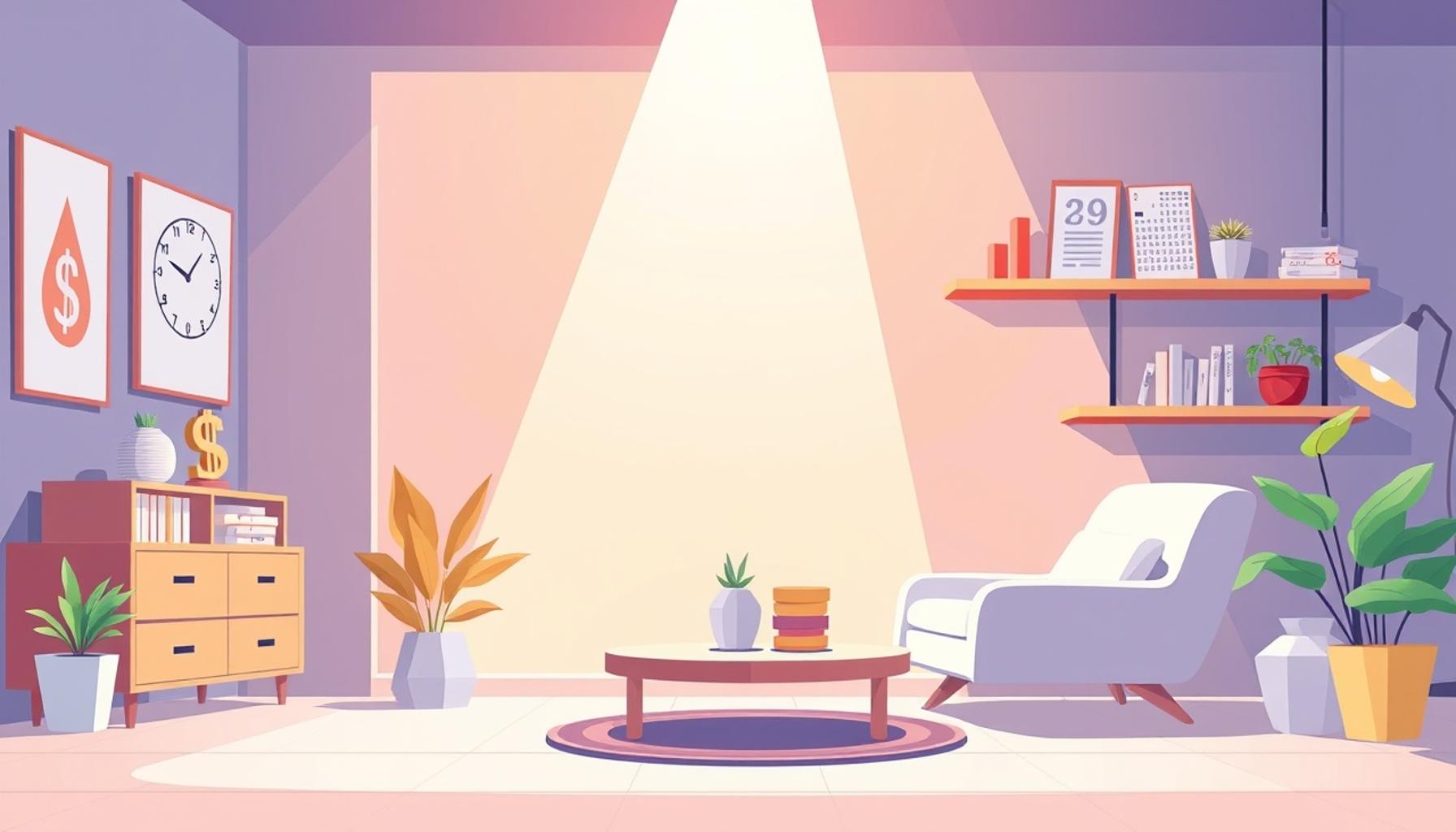
Harnessing Natural Light for Enhanced Living Spaces
As we navigate through our daily lives, the environments we inhabit play an essential role in shaping our moods and productivity. One of the most impactful elements in designing these spaces is natural light. This invaluable resource not only beautifies an area but also contributes significantly to our overall well-being. Research indicates that exposure to natural light can have a profound effect on our mental health, fostering feelings of happiness and tranquility.
The benefits of prioritizing natural light are numerous, and understanding these advantages can inspire homeowners and designers alike. For instance, a study conducted by the University of Utah found that individuals working in environments with abundant daylight report increased levels of satisfaction and reduced fatigue. This is primarily attributed to the boost in serotonin levels that natural light instigates, which is essential for regulating mood and emotional balance.
- Improved Mood: Natural light positively affects mental health by boosting serotonin levels, leading to enhanced mood and reduced symptoms of anxiety and depression.
- Energy Efficiency: Utilizing sunlight can significantly decrease reliance on artificial lighting. This not only results in lower energy bills but also minimizes one’s carbon footprint, supporting environmental sustainability.
- Spatial Illusion: Natural light can create the visual effect of larger spaces. This is particularly beneficial in urban areas where living spaces are often compact.
To maximize the advantages of natural light, implementing certain design strategies can transform any room into an inviting retreat. Here are some innovative approaches to consider:
- Large Windows: Incorporating floor-to-ceiling windows can flood your living space with sunlight, bringing the beauty of the outdoors inside. This technique is popular in modern architectural designs and allows for spectacular views, enhancing the connection with nature.
- Reflective Surfaces: Utilizing mirrors and light-colored walls can help bounce sunlight around a room, diminishing shadows and making spaces feel more open. Designers often recommend this especially for smaller rooms where maximizing light is crucial.
- Open Layouts: An open floor plan aids in the flow of natural light, effectively eliminating dark corners and creating a more cohesive and airy feeling throughout the space. This layout is particularly favored in contemporary homes and encourages social interaction.
Embracing these methods of space optimization can lead to the creation of harmonious living environments that enhance both comfort and functionality. By allowing natural light to play a starring role in interior design, individuals can cultivate settings that not only look good but also feel good. As we explore further into the innovative possibilities of light optimization, it becomes clear that the path to a more inviting home is illuminated by nature itself.
DIVE DEEPER: Click here to discover the connection between space and mental well-being
Strategic Design Elements to Optimize Natural Light
When it comes to harnessing natural light, the design elements employed can either enhance or obstruct its flow within a space. The careful consideration of architectural features and interior layouts can drastically shift the dynamic of how light interacts with the environment. With some innovative strategies, homeowners can create minimalist spaces that not only embrace simplicity but also invite an abundance of sunlight throughout the day.
One effective principle in maximizing natural light is the application of color theory. Light, when reflected off various surfaces, has the potential to travel and fill areas that are otherwise underexposed. Utilizing a palette of light shades, such as whites, pastels, and soft neutrals, can amplify the brightness in a room. This technique is particularly successful in smaller spaces, where darker hues can make the area feel confined and uninviting. Instead, a lighter color scheme enhances the potential of every sunbeam, effectively turning shadows into soft highlights.
- Transom Windows: These often-overlooked features, installed above doors or larger windows, allow additional sunlight to enter, providing not only illumination but also a feeling of elevation and openness.
- Skylights: A popular choice in modern homes, skylights act as an additional gateway for sunlight, facilitating its entry from overhead. They are particularly beneficial in rooms that lack exterior walls, such as bathrooms or hallways.
- Sliding Glass Doors: Versatile and aesthetically pleasing, sliding glass doors not only enhance access to patios or gardens but also create large openings for natural light to flood into living areas, seamlessly blending indoor living with the outdoors.
Moreover, landscaping plays a pivotal role in the effectiveness of natural light exposure. Thoughtful placement of trees, shrubs, and other greenery can either promote or obstruct sunlight. Instead of tall trees that create shade, consider low-growing plants or strategically placed ornamental grasses, which can add beauty without casting shadows on your indoor spaces. Additionally, using pergolas or outdoor shade canopies can help filter light, ensuring that the bright rays are diffused, creating a warm glow rather than harsh beams.
Incorporating these techniques into minimalist designs not only elevates the ambiance but also promotes a greater sense of tranquility and peace within the home. As one embraces the idea of a well-lit environment, it is essential to remember that every design choice has the potential to enhance or diminish the inviting nature of natural light. Thus, a keen eye for how these strategies interplay can lead to creating spaces that feel open, airy, and energized by the natural world.
Exploring Techniques for Maximum Natural Light
Harnessing natural light in minimalist environments is not merely an aesthetic choice; it significantly impacts emotional well-being and productivity. By employing strategic design techniques, homeowners can create spacious environments that feel open and inviting. One effective method includes installing large windows or glass doors that allow sunlight to stream into the living space. For instance, floor-to-ceiling windows blur the lines between indoor and outdoor spaces, subsequently enhancing the feeling of openness.Another approach involves the use of light colors in wall paints and furnishings, which reflect sunlight and promote a bright atmosphere. Neutral shades like whites, creams, and soft pastels are ideal for maintaining a serene aesthetic while maximizing light reflection. Implementing translucent window treatments also facilitates daylight penetration without compromising privacy, striking a perfect balance between comfort and luminance.Moreover, strategically placing mirrors throughout a room can help to amplify natural light by reflecting it, making the space feel more expansive. This technique can be particularly effective in smaller rooms where daylight is limited. Incorporating light-colored flooring, particularly shiny materials like polished wood or tiles, further enhances the brightness, giving the illusion of a larger area.In addition, garden elements such as skylights or light tubes can be integrated into roofs to channel additional daylight into darker spaces. These installations not only contribute to a more eco-friendly environment but also offer energy-efficient lighting during daylight hours, ultimately reducing reliance on artificial lighting. Further exploration into sustainable landscaping practices can also help ensure that trees and shrubs around a property do not obstruct sunlight. When positioned thoughtfully, plants can frame the home beautifully while allowing ample light to permeate indoor areas, cultivating an inviting and warm atmosphere.Utilizing these strategies in a thoughtful and deliberate manner will undoubtedly lead to enhanced light quality, providing comfort and a refreshing ambiance in well-lit minimalist environments. The intersection of functionality and design becomes crucial in creating spaces that not only satisfy aesthetic needs but also foster overall well-being. A seamless connection between the indoors and outdoors, complemented by strategic arrangements and elements, leads to a luminous living space that users will surely appreciate. Harnessing natural light is not merely about filling a space with brightness; it’s about creating an environment that enhances life itself.
| Category 1 | Category 2 |
|---|---|
| Light Maximization Techniques | Large windows, skylights, mirrors |
| Color Design | Use of light colors for walls & floors |
DISCOVER MORE: Click here to dive deeper
Innovative Furnishing and Layout Techniques
Beyond architectural elements, the choice of furnishings and their arrangement within a space plays a crucial role in maximizing natural light. In minimalist environments, where the objective is to maintain openness while minimizing clutter, the selection and placement of furniture can significantly influence the overall illumination of a room. Transparent materials and multi-functional furniture can be effective tools in this endeavor.
Furniture pieces crafted from glass or acrylic not only provide a modern aesthetic but also allow light to pass through and reflect, creating an illusion of space. A glass coffee table or clear acrylic chairs can declutter a visual landscape, making rooms appear larger and brighter. In addition, strategically placing low-profile furniture close to windows or light sources ensures that sunlight can cascade freely around the room, enhancing natural light’s effect.
- Multi-functional Furniture: Pieces that serve more than one purpose, such as a sofa bed or a storage ottoman, can help in decluttering spaces. By reducing the number of individual items, you not only free up floor space but also create a more open environment that light can fill.
- Reflective Surfaces: Incorporating mirrors into a minimalist design can amplify the presence of natural light, as they bounce sunlight around the room. A strategically placed mirror opposite a window can double the effect of natural light, creating a vibrant and inviting atmosphere.
Moreover, the arrangement of furnishings should ideally promote a linear path for light to travel through the space. Avoid blocking windows and doorways with oversized furniture; instead, opt for lower-profile items that allow sunlight to flow unobstructed. Minimalist design advocates for negative space, which is the area in a room that is left intentionally empty to avoid overwhelming the senses. By creating these pockets of empty space, natural light can be allowed to travel freely, enhancing brightness and the overall feel of a room.
Window Treatments and Their Influence on Light
The type of window treatments chosen also plays a pivotal role in how effectively natural light is harnessed. In a minimalist environment, opting for treatments that allow for flexibility is essential. Light-filtering shades or sheer curtains can soften harsh sunlight without completely obstructing it. This can be particularly useful for rooms that experience direct sunlight during peak hours, which, although illuminating, can cause discomfort due to glare.
Furthermore, consider utilizing shades or blinds that can be fully retracted to open windows completely, allowing for unimpeded sunlight during the day. Such flexibility is not only practical but also encourages a stronger connection between indoor and outdoor spaces. Blending the interior framework with the changing qualities of natural light fosters a dynamic living environment.
Finally, it’s worth noting the seasonal and geographical variations in natural light. Understanding the direction of sunlight relative to your home can aid in the configuration of space and furnishings to optimize light throughout the year. For instance, in the Northern Hemisphere, south-facing windows capture the most sunlight; hence, organizing common spaces towards these areas can exponentially increase the warmth and brightness during winter months.
DISCOVER MORE: Click here to learn about the psychology of space
Conclusion
In conclusion, harnessing natural light is not merely an architectural concern but a holistic approach that intertwines design, functionality, and well-being in minimalist environments. As we have explored, employing innovative strategies such as the use of multi-functional furniture, reflective surfaces, and smart window treatments can significantly transform spaces into brighter, more inviting areas while maintaining the essence of minimalism. By carefully considering the organization of furniture and utilizing transparency in design, one can create an open atmosphere that encourages light to flow unobstructed.
Moreover, the dynamism of natural light throughout different seasons warrants a thoughtful approach to spatial arrangement. By positioning key rooms to capture the most sunlight, especially in regions like the Northern Hemisphere where south-facing windows provide ample illumination, homeowners can enhance comfort and reduce reliance on artificial lighting. This thoughtful interplay between interior design and natural resources fosters environments that not only look aesthetically pleasing but also contribute to the overall well-being of their inhabitants.
As we advance, the integration of these space optimization strategies in our daily lives can lead us toward a more sustainable future. Embracing the principles of harnessing natural light elevates our living spaces, turning them into havens of tranquility while championing the core values of minimalist design. Therefore, take the time to explore how these insights can be applied in your own home, and step into a brighter, more connected lifestyle.
Related posts:
The Influence of Space Organization on Stress Reduction in Minimalist Lifestyles
The Psychology of Space: The Impact of Organization and Minimalism on Mental Health
Creating Zen Environments: Space Optimization Strategies for a Minimalist and Cozy Home
Creating Functional Zones: How Spatial Organization Enhances Productivity in Minimalist Environments
Maximizing Small Spaces: Optimization Strategies for Minimalist Living
The Importance of Natural Light in Optimizing Minimalist Spaces

Beatriz Johnson is a seasoned digital lifestyle strategist and green tech writer with a passion for demystifying sustainable technology and eco-conscious living. With over a decade of experience at the intersection of innovation and sustainability, she specializes in topics like smart home solutions, renewable tech applications, and global trends in green digitalization. Through her work on our platform, Beatriz empowers readers to make informed choices about adopting planet-friendly technologies while optimizing their digital lives for both efficiency and environmental impact.