Demystifying Minimalism: How Clutter Affects Our Personal Relationships

Exploring the Impact of Clutter on Personal Relationships
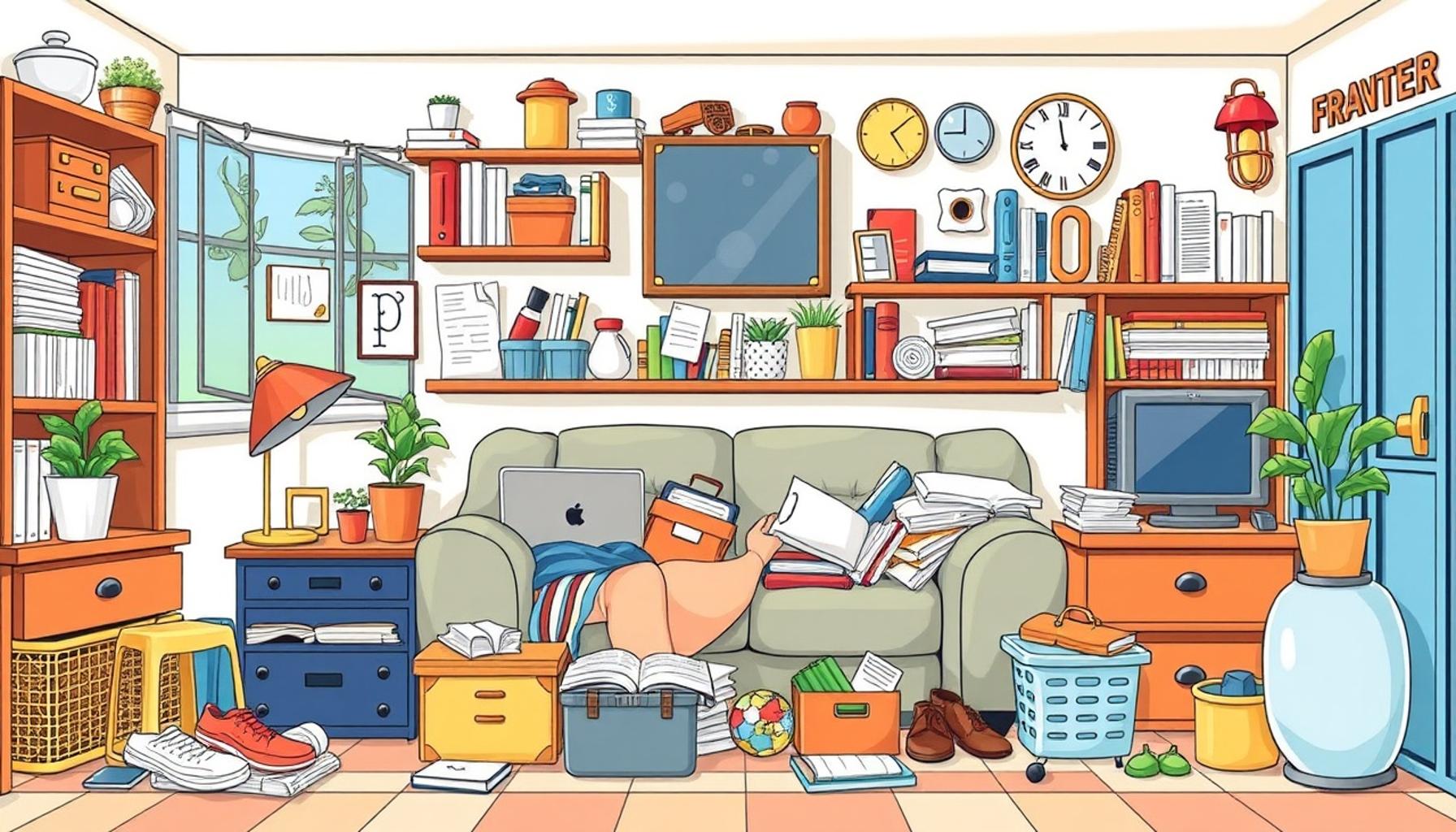
Clutter transcends mere physical disarray; it can create significant emotional turbulence within our personal relationships. As we navigate through our lives, the accumulation of belongings can affect our interactions with loved ones, subtly yet profoundly altering the dynamics of those connections.
Take, for instance, the concept of stress levels. A cluttered space often leads to heightened anxiety, making it hard to engage meaningfully with family and friends. Research reveals that people living in disorganized environments report feeling overwhelmed, which can prevent them from fully participating in conversations or activities. When our surroundings are chaotic, it’s not uncommon for our minds to mirror that chaos, leading to distracted or short-tempered interactions.
Moreover, communication barriers may emerge from a disorganized home. In a cluttered environment, individuals can easily misinterpret gestures and tones, leading to unnecessary misunderstandings. For example, if one partner steps over scattered items while another is stressed about their inability to keep the space tidy, this can create friction and conflict, affecting the quality of their communication.
The emotional burden of clutter extends to feelings of guilt and shame, often described as emotional drain. When surrounded by unorganized possessions, individuals may struggle with the constant reminder of the disorder, which can sap energy and focus that would otherwise be directed toward nurturing relationships. This can leave individuals feeling isolated, as they may retreat from social interactions to avoid the judgment they anticipate from others regarding their living conditions.
The Consequences of Clutter
The accumulation of possessions inevitably shapes our interactions. Consider the following potential outcomes:
- Diminished Quality Time: When distracted by clutter, significant moments can easily slip through the cracks. Instead of cherishing an evening together, couples might find themselves tidying up rather than enjoying each other’s company.
- Reduced Intimacy: Physical clutter can symbolize emotional distance; a living space laden with forgotten items may reflect unresolved feelings or neglected relationships.
- Increased Conflict: When space becomes a battleground, arguments over clutter can escalate, turning minor disagreements into major conflicts that strain relationships.
In light of these insights, it’s worth exploring the principles of minimalism. Embracing a simpler lifestyle can create not just a cleaner space, but also foster a healthier emotional atmosphere. A decluttered environment enables more open communication and invites genuine engagement, allowing relationships to flourish rather than falter.
By understanding the effects of clutter, individuals can reassess their relationship with possessions. A commitment to simplicity can pave the way for deeper connections, enriching the bonds we share with those around us. As we explore this journey toward minimalism, we encourage further investigation into how a decluttered life can enhance not just our homes, but our hearts as well.
DISCOVER MORE: Click here to delve into the psychology of space
Understanding the Relationship Between Clutter and Connection
The intricate dance between our living spaces and personal relationships goes beyond aesthetics; it can deeply affect our emotional well-being and connections with others. To understand how clutter impinges on interpersonal relationships, we must first examine its psychological implications. A cluttered environment not only affects how we view our space but also shapes our perspectives, emotions, and actions when interacting with those closest to us.
One significant aspect is the phenomenon of cognitive load. When surrounded by disarray, our brains are constantly bombarded with visual stimuli competing for attention. This condition can lead to overload and fatigue, diminishing our capacity for meaningful interactions. Studies suggest that individuals in cluttered environments experience a decline in focus and an increase in irritability. An overwhelming space can inadvertently pull our attention away from loved ones, making it hard to engage authentically and fully in conversations.
Additionally, emotional attachment to possessions complicates our relationship with clutter. Many people harbor deep connections to their belongings, viewing them as extensions of themselves or as tokens of memories. This emotional investment can create a paradox—where the need to retain these items clashes with the desire for a harmonious living environment. For example, loved ones may find themselves in a tug-of-war, where one partner wishes to declutter while the other clings to nostalgic items, leading to feelings of resentment and conflict.
The clutter problem extends into our interactions, contributing to a cycle of disappointment and frustration. Often, one partner may feel overwhelmed by the state of the environment, leading to passive-aggressive remarks or overt conflicts about tidiness. This not only distracts from more meaningful discussions but can also perpetuate a sense of alienation. Over time, unresolved disputes surrounding clutter can erode trust, driving a wedge between individuals who once shared intimate bonds.
Recognizing Clutter’s Ripple Effects
Understanding how clutter affects our relationships invites us to consider several critical consequences:
- Inhibited Social Engagement: Clutter can make inviting friends or family over feel daunting, leading to isolation. Instead of fostering connections, individuals may retreat into cluttered sanctuaries, missing out on bonding opportunities.
- Physical and Emotional Space: A cluttered environment can create feelings of encroachment on personal space, leading to discomfort and stress. As individuals struggle to navigate their surroundings, their relationships may become strained.
- Unmet Expectations: When clutter becomes a persistent issue, individuals may feel ashamed or inadequate, which can lead them to withdraw from social scenarios or blame others for their circumstances.
Acknowledging these impacts underlines the importance of addressing clutter in our personal relationships. By consciously choosing to simplify and minimize, we open the door to clearer communication, deeper intimacy, and a more supportive environment. This journey into minimalism is not just about physical decluttering; it is about cultivating a space that allows love and connection to thrive, ultimately strengthening our bonds with others.
| Category | Description |
|---|---|
| Impact on Communication | Clutter can obstruct clear communication, leading to misunderstandings. |
| Emotional Well-being | Minimalism promotes clearer mental states that enhance relationships. |
| Time Efficiency | Less clutter means more time for meaningful conversations and activities. |
| Stress Reduction | A minimalist environment reduces stress, allowing relationships to flourish. |
Exploring the effects of clutter on our personal relationships uncovers vital insights. The notion that physical space influences emotional intimacy cannot be overstated. When environments are filled with unnecessary items, the chaos can misdirect our focus, leaving communication impaired. Less clutter allows individuals to engage more genuinely, fostering authentic dialogue.Furthermore, embracing a minimalist approach contributes to both individual and relational well-being. Psychological research indicates that clearer spaces lead to calmer minds, which directly impacts how individuals relate to one another. This internal clarity can promote understanding and patience among loved ones.Additionally, minimalism creates a framework for time efficiency. When distractions are minimized, it fuels opportunities for bonding and shared experiences, encouraging richer relationships. The act of decluttering can become a shared endeavor, further strengthening ties and building a collective vision for the future. As these changes manifest, they reflect profound implications for how we navigate and nurture our relationships.
DIVE DEEPER: Click here to discover the connection between space and well-being
The Emotional Anatomy of Clutter: Struggles and Solutions
In delving deeper into the emotional anatomy of clutter, it is evident that the relationship between our spaces and our hearts is complex and layered. Clutter can amplify feelings of anxiety and overwhelm, leaving individuals in a constant state of heightened stress. This state can spill over into interactions with loved ones, as individuals may be less flexible and more reactive when their physical environment is chaotic. Research has shown a direct correlation between cluttered living spaces and increased levels of cortisol, the stress hormone, which can lead to irritability and frustration that affect interpersonal dynamics.
Communication breakdowns often stem from these heightened emotional states. For instance, one study indicated that couples who lived in disorganized environments reported more conflict and less overall satisfaction in their relationships. This can be attributed to the simple fact that if one partner is preoccupied with anxiety triggered by the environment, they may be less present and engaged in conversations and activities with their partner. The sense of urgency to tackle clutter may take precedence over quality time spent together, diminishing the satisfaction and meaningful exchanges that nurture relationships.
Moreover, consider the impact of shared spaces. In household environments where multiple family members occupy the same area, clutter can become a point of contention. The daily chore of managing shared spaces can lead to significant strain if expectations are not aligned. If one partner has a higher tolerance for clutter, while the other struggles with it, resentment can build. A’s clutter can become B’s burden, and vice versa, turning the home from a sanctuary into a battleground of differing priorities. This dissonance can lead to feelings of isolation even in the company of loved ones, causing individuals to seek solace elsewhere, be it emotionally or even physically.
Strategies for Startling Simplicity
Acknowledging the emotional toll clutter can take opens the door to potential solutions. Minimalism does not merely mean purging possessions; it encompasses a holistic approach that recalibrates how we value and interact with our environment. Here are strategies that can foster healthier relationships through a simplified approach:
- Establish Joint Goals: Communicating openly about clutter goals allows both partners to feel invested in the process. Setting aside regular “declutter dates” can transform the task into a shared activity, reinforcing bonding rather than frustration.
- Incorporate Mindfulness: Mindfulness practices can help individuals create awareness around their emotions connected to clutter. Engaging in practices like meditation encourages individuals to reflect on their attachments to possessions and promotes healthier decision-making regarding what to keep or discard.
- Prioritize Functionality: Create spaces that prioritize usability and aesthetics, transforming clutter zones into organized, functional areas. These spaces can fuel a sense of accomplishment and make navigating daily activities smoother, thereby alleviating stress on personal relationships.
- Celebrate Progress: Minimalism is a journey, not a destination. Acknowledging small milestones and celebrating progress not only encourages further efforts but also enhances emotional connection as each individual sees their contributions making a positive impact.
Embracing minimalism as a means to reduce clutter can create a ripple effect in personal relationships, allowing for improved communication and deeper connections. The journey of simplifying possessions presents an opportunity to infuse fresh energy into personal dynamics, reshaping how we engage with our spaces and the people we care about most.
DIVE DEEPER: Click here to discover more on the psychology of space
Final Thoughts: The Transformative Power of Minimalism
As we navigate the intricate relationship between clutter and our personal connections, it becomes increasingly clear that the environments we inhabit either enhance or detract from our relationships. Clutter not only weighs us down physically but also emotionally, creating barriers to effective communication and intimacy with loved ones. By recognizing the pervasive influence of a chaotic space on our mental well-being, we embark on a journey towards greater clarity, not just within our homes but in our interactions.
Implementing minimalism is more than just a decluttering process; it is a heartfelt endeavor to cultivate harmony and connection in our lives. Adopting strategies such as establishing joint goals, incorporating mindfulness, and prioritizing functionality can profoundly impact how we relate to our surroundings and to each other. With time, these practices transform clutter from a source of contention into an opportunity for collaboration and understanding. As we celebrate small victories, we foster a sense of shared accomplishment that enriches our relationships.
Ultimately, embracing minimalism can lead us towards more meaningful connections, relieving the emotional burden that clutter imposes. This shift not only fosters improved communication but also deepens the bonds we cherish with family and friends. In a world teeming with distractions and excess, the path of simplicity invites us to reflect, reconnect, and rediscover what truly matters—nurturing the spaces and relationships that define our lives. As we demystify minimalism, we uncover the profound impact of our living spaces on the joyous tapestry of human connection.
Related posts:
Strategies for Clutter Reduction for Parents: Keeping Order in a Family Home
The Path to a Sustainable Lifestyle: Reducing Clutter and Waste
How to Create a Minimalist Workspace: Reducing Clutter to Boost Creativity
The Art of Saying No: How to Learn to Decline Items and Reduce Clutter in Your Life
Minimalism in Practice: How to Create a Daily Routine to Maintain Order and Mental Clarity
The Art of Letting Go: Practical Strategies to Reduce Clutter at Home

Beatriz Johnson is a seasoned digital lifestyle strategist and green tech writer with a passion for demystifying sustainable technology and eco-conscious living. With over a decade of experience at the intersection of innovation and sustainability, she specializes in topics like smart home solutions, renewable tech applications, and global trends in green digitalization. Through her work on our platform, Beatriz empowers readers to make informed choices about adopting planet-friendly technologies while optimizing their digital lives for both efficiency and environmental impact.