Smart Furniture: Innovative Solutions to Maximize Space in Minimalist Environments
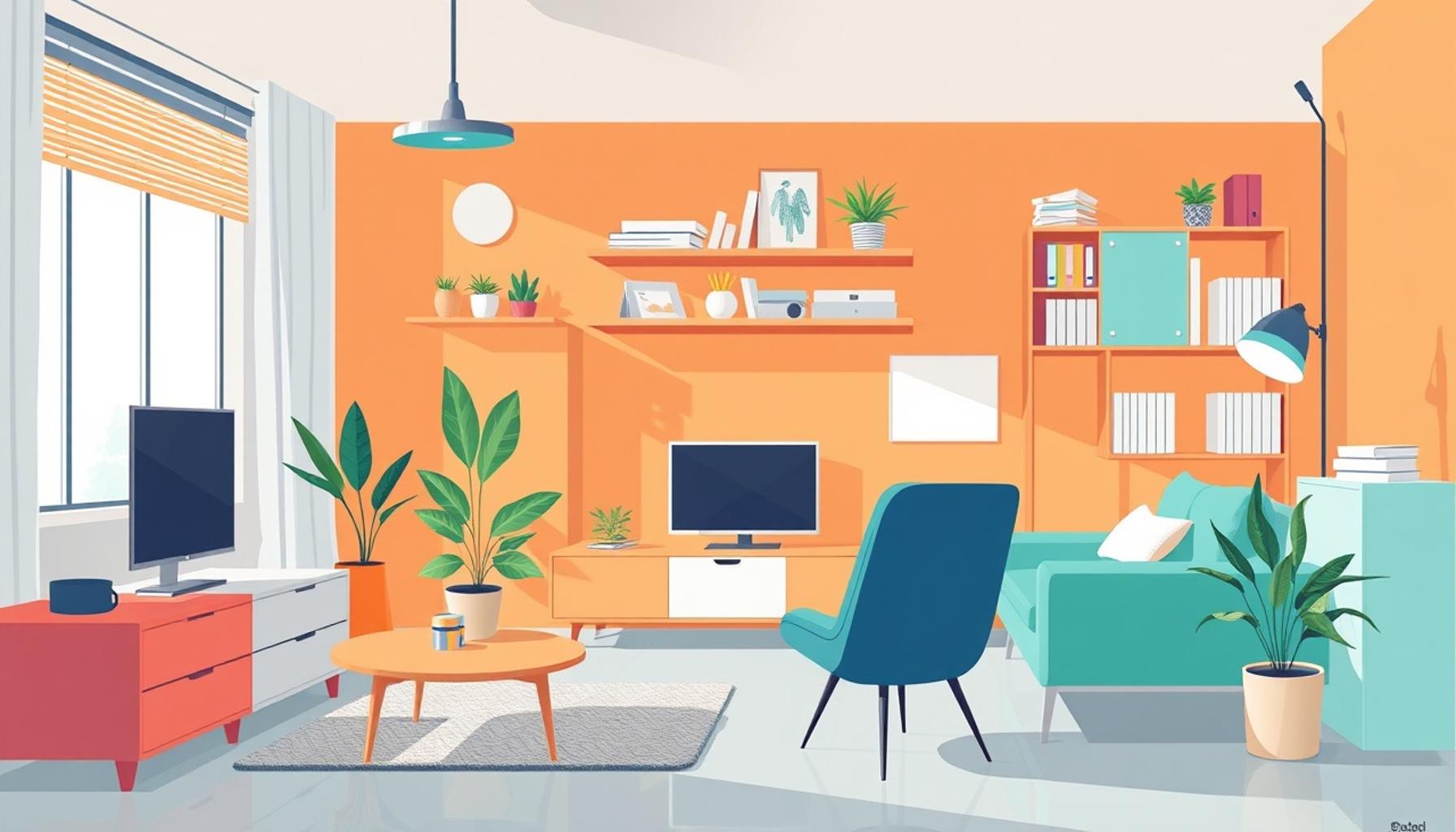
Rethinking Urban Living with Smart Furniture
As cities continue to grow and living spaces become more compact, the transition to smart furniture is becoming a necessity rather than just a trend. Urban dwellers, particularly in bustling metropolises like New York and San Francisco, often face the dual challenge of limited space and a desire for a stylish environment. The appeal of smart furniture lies in its innovative solutions that seamlessly blend style and function.
Multi-functionality is arguably one of the hallmark features of smart furniture. For instance, a sophisticated sofa that can easily convert into a bed is an ideal solution for accommodating guests without dedicating an entire room as a guest bedroom. Similarly, coffee tables that can be elevated and extended to serve as dining tables introduce versatility, allowing homeowners to host dinner parties in smaller apartments. An example is the popular “Lift Top Coffee Table,” which provides storage and transforms into a workspace in a pinch.
In addition to multi-functionality, compact design remains essential for maximizing limited square footage. Furniture like folding chairs and foldable desks can be stowed away when not in use, freeing up valuable floor space. Brands like IKEA have embraced this concept, offering modular pieces that can be rearranged based on varying needs, ideal for those adapting to work-from-home arrangements or hosting gatherings.
The integration of smart technology into furniture is another revolutionary aspect. Imagine a nightstand equipped with USB charging ports, wireless charging pads, and adjustable lighting that can be controlled from your smartphone. Such features not only enhance everyday convenience but also promote an organized and clutter-free environment, which is paramount in smaller living areas. With the growth of smart home technology, these features can seamlessly connect with systems like Amazon Alexa or Google Home, allowing users to control their environment with simple voice commands.
Ultimately, the rise of smart furniture is a responsive answer to the hurdles of modern living. As consumers continuously seek to declutter their lives and optimize their spaces, the balance of form and function is more crucial than ever. Understanding the benefits of smart furniture can lead to significant lifestyle enhancements, whether through increased efficiency, convenience, or sustainability. The future of interior design is not just bright; it’s intelligent and adaptable, inviting individuals to explore new ways of living well in their homes.
DISCOVER MORE: Click here to learn about the psychology of space
Multi-Functional Wonders: Redefining Everyday Spaces
In the age of constant moves and urban relocations, multi-functional furniture is redefining how we approach space within our homes. These ingenious pieces resolve conflicting needs without sacrificing style, enabling residents of small apartments to personalize their environments efficiently. The range of possibilities is extensive, with innovative designs integrating multiple uses to maximize the utility of each item.
Consider the rise of the murphy bed, a staple in compact living. Mounted to the wall, it can easily fold away when not in use, allowing the room to transition from a bedroom to a living area within seconds. This versatile option is particularly ideal for studio apartments, where every inch counts. In addition to murphy beds, items like convertible sofas and modular furniture are transforming the meaning of traditional home layouts.
Another prime example is the storage ottoman. Gone are the days when ottomans served merely as footrests. Now, they boast hidden compartments for blankets, magazines, or even children’s toys. This allows for an uncluttered space while still offering functionality, proving that smart furniture can truly serve dual purposes in our lives.
Key Examples of Multi-Functional Smart Furniture
- Convertible Sofas: Easily transform between a sofa, a bed, or even a sectional depending on the occasion.
- Extendable Dining Tables: Perfect for when you need more seats for a gathering, these tables expand and contract with ease.
- Wall Desks: Fold-up desks that can be tucked away when not in use help maintain a clear and functional workspace.
- Chair-Beds: Individual seating that can unroll or flip into a bed is ideal for hospitality in tight quarters.
While multi-functionality addresses the challenge of limited space, design aesthetics play an equally important role. Consumers are drawn to furniture that not only serves multiple purposes but also complements their style preferences. Manufacturers are responding by blending contemporary designs with intelligent engineering to produce pieces that are both visually appealing and extraordinarily practical.
As the emphasis on sustainability grows, smart furniture often utilizes eco-friendly materials and designs that focus on longevity. By investing in quality multi-functional pieces, consumers decrease the likelihood of frequent replacements, minimizing waste and fostering an environmentally conscious approach to home styling.
The burgeoning trend of smart furniture exemplifies the marriage of functionality and form, presenting exciting opportunities for those inhabiting minimalistic environments. In an ever-evolving urban landscape, smart furniture is not merely an adaptive solution; it is a progressive lifestyle choice that underscores the importance of innovation in everyday living. This harmony of design and practicality will continue to shape the way we define our homes, prompting individuals to rethink their relationship with the spaces they inhabit.
| Advantage Type | Description |
|---|---|
| Space Efficiency | Smart furniture utilizes innovative designs that combine functionality with style, allowing for the maximum use of limited space. |
| Multifunctionality | Many pieces serve multiple purposes, such as storage ottomans or <strong fold-out desks, catering to the needs of modern living where flexibility is essential. |
Smart furniture not only transforms how we think about our living environments but also encourages innovative solutions that redefine comfort, especially in minimalist settings. The design incorporates contemporary technology, ensuring that furniture is not just aesthetic but also enhances the quality of life. For example, furniture with built-in charging ports and intelligent storage systems caters to today’s tech-savvy consumers. With urban living spaces decreasing in size, smart furniture is evolving to become a crucial component in maximizing usability and aesthetics. As you explore this transformative approach to furniture design, consider how these pieces can seamlessly integrate into your lifestyle, creating a harmonious balance between functionality and style. This exploration of smart furniture reveals a future where living spaces are not just livable but also intelligently designed to meet our modern-day challenges.
DISCOVER MORE: Click here to find out how organization can enhance your mental well-being
Technology Integration: The Next Frontier in Smart Furniture
The trend of smart furniture has taken an exciting turn with the integration of technology. Today, innovative furniture pieces not only serve multiple functions but also include features that enhance the user experience. For example, smart desks equipped with built-in wireless charging pads and USB ports have become staples for those who work from home, allowing for an organized and clutter-free workspace. With these advancements, residents can maximize their limited space while still enjoying the conveniences of modern technology.
Moreover, the emergence of IoT-enabled furniture has opened new avenues in interactive living spaces. Some manufacturers are introducing smart coffee tables that can connect to smart home systems, letting users control lights, music, and even temperature right from their furniture. This level of connectivity blurs the lines between traditional furniture use and smart home management, creating a seamless interface for every aspect of daily life.
Smart Storage Solutions: Organizing with Style
Storage is a perennial challenge in minimalist environments, but smart furniture designers are rising to the occasion with innovative storage solutions. Hidden compartments are making a resurgence, turning conventional pieces into treasure troves for necessary items. For instance, a dining bench might be used for both seating and as a storage unit, perfect for stowing away seasonal decor or everyday items.
Another noteworthy innovation is the rise of modular shelving systems. These customizable units can adapt to various needs over time, allowing homeowners to modify their configurations based on changing styles or storage requirements. This adaptability is essential for anyone living in compact spaces, where each piece must be versatile and functional while still contributing to an engaging aesthetic.
Ergonomic Innovations for Enhanced Comfort
As the demand for smart furniture grows, so does the focus on ergonomics. Many modern furniture designs incorporate adjustable features to enhance user comfort. Height-adjustable desks, for instance, have gained popularity among remote workers, enabling users to switch between sitting and standing throughout the day. This not only promotes a healthier work routine but also helps maximize space by allowing for a more flexible workspace layout.
In addition, incorporating ergonomic design into multifunctional furniture, such as gaming chairs that convert into workstations, exemplifies the merging of comfort and utility. These innovations address the need for space-saving solutions without compromising the user’s physical well-being, thus reinforcing the appeal of smart furniture in today’s market.
Aesthetic Appeal: Bridging Functionality with Design
The appeal of smart furniture lies significantly in its aesthetic value. Brands are increasingly realizing that functionality does not have to come at the expense of style. From sleek, modern designs featuring clean lines to rustic wooden constructs that evoke warmth, choices are wide-ranging, catering to diverse consumer tastes. The integration of colors, finishes, and materials that resonate with contemporary design sensibilities encourages consumers to select smart furniture not only for its practicality but also for its beauty.
As homeowners prioritize personalization in minimalistic environments, the focus on smart furniture that complements their individual style preferences has never been more crucial. With the continuous evolution of smart designs, the future of furniture promises to encapsulate innovation, all while addressing practical needs and aesthetic desires. By understanding and responding to consumer demands, the industry continues to pave the way for efficient, stylish living in even the most compact settings, making smart furniture an essential aspect of modern lifestyles.
DISCOVER MORE: Click here to learn about the impact of organization on mental health
Conclusion: Embracing the Future of Space-saving Solutions
As we navigate the challenges of modern living, particularly in urban environments where space is often at a premium, the rise of smart furniture presents an exciting solution. By seamlessly integrating technology, innovative storage options, and ergonomic designs, smart furniture caters to the unique needs of minimalist lifestyles. The fusion of functionality with aesthetic appeal not only enhances the practical use of limited spaces but also creates inviting and personalized living environments.
From multifunctional pieces that serve dual purposes to IOT-enabled furniture that transforms how we interact with our homes, these advancements are reshaping the way we think about furniture. Emphasizing adaptability and organization, smart furniture enables individuals to maintain an efficient living space that mirrors their distinct preferences and daily routines. Moreover, as sustainability becomes more pressing, the wane of disposable furniture solutions in favor of long-lasting, versatile designs becomes a beacon of hope for responsible consumerism.
Looking ahead, homeowners and designers alike should remain attuned to the evolving landscape of smart furniture. By embracing these innovative solutions, individuals can not only maximize their space but also enrich their overall living experience. In an era where every inch matters, smart furniture stands as a testament to the potential for creativity, efficiency, and style that can thrive even within the constraints of minimalism.
Related posts:
Simplifying Life: Space Optimization Solutions for Minimalist Closets
Invisible Storage Spaces: Creative Solutions for Organized Environments
Vertical Organization: How to Use Walls to Free Up Space and Maintain a Minimalist Aesthetic
The Importance of Natural Light in Optimizing Minimalist Spaces
The Art of Letting Go: How Personal Organization Contributes to Spatial Efficiency
Digital Minimalism: Optimizing Virtual Spaces for a More Organized Life

Beatriz Johnson is a seasoned digital lifestyle strategist and green tech writer with a passion for demystifying sustainable technology and eco-conscious living. With over a decade of experience at the intersection of innovation and sustainability, she specializes in topics like smart home solutions, renewable tech applications, and global trends in green digitalization. Through her work on our platform, Beatriz empowers readers to make informed choices about adopting planet-friendly technologies while optimizing their digital lives for both efficiency and environmental impact.