Minimalism in the Family: Involving Children in Decluttering and Organizing the Home
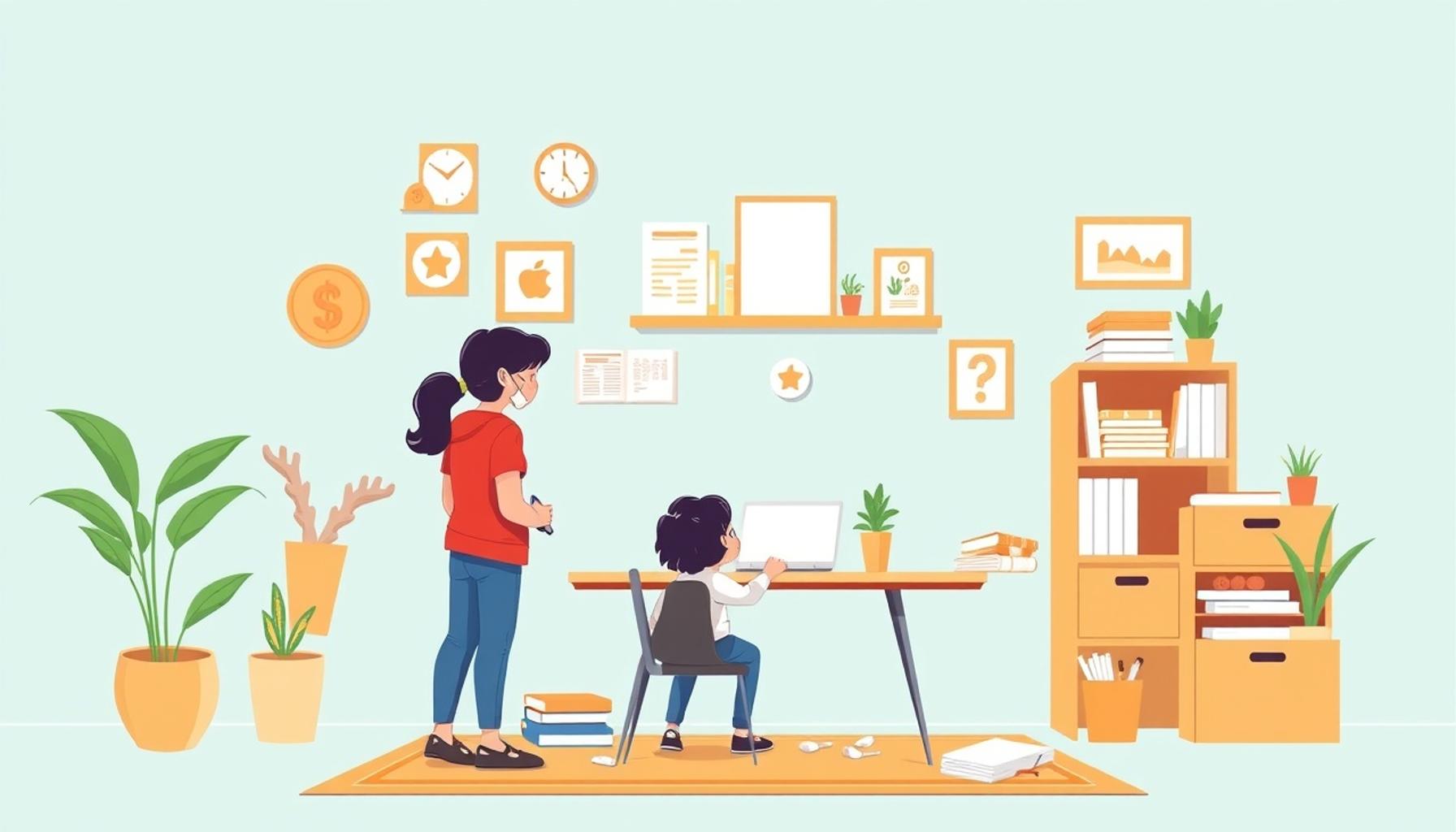
The Joy of Decluttering as a Family
In an age marked by consumerism and an ever-increasing array of choices, families often find themselves overwhelmed by accumulation. The chaos of toys, clothes, and countless miscellaneous items can create significant stress, particularly for children. With more items cluttering their spaces, kids may feel a sense of disorganization, which can lead to anxiety and distraction. Introducing minimalism into your household can serve as a refreshing remedy to this dilemma.
Engaging children in the process of decluttering and organizing can instill valuable life skills, allowing them to appreciate the value of simplicity and intentionality in their lives. Here are some compelling benefits of involving children in minimalism:
- Responsibility: By encouraging children to take ownership of their belongings, they learn about personal responsibility. This newfound accountability can extend beyond their toys and clothes, fostering a sense of duty towards their environment and community.
- Decision-making: When children decide what to keep or donate, they develop critical thinking skills. They learn to prioritize what truly matters to them, helping to shape their character and values.
- Simplified living: A decluttered space fosters a peaceful atmosphere conducive to focus and creativity, making it easier for family members to thrive. Studies have shown that organized environments can significantly reduce stress levels.
As a family, exploring minimalism can transform into an enriching bonding experience. When everyone participates, household tasks that might seem daunting can become manageable, even enjoyable. Collaborating in such endeavors cultivates teamwork and a shared vision for a more harmonious home.
To incorporate minimalism into your daily routine, consider these simple yet impactful strategies:
- Create a family challenge: Establish a limit on how many toys each child can keep, which encourages thoughtful consideration of what they truly value.
- Organize a donation day: Transform this task into a family outing, visiting a local charity or thrift store together to drop off items, teaching children about generosity and community service.
- Practice gratitude: Foster discussions around valuing experiences over possessions. Encourage your family to share their favorite items and why they are special, helping to create a deeper understanding of what truly matters.
Ultimately, imparting the principles of minimalism to children goes beyond mere decluttering; it represents a journey towards mindfulness and intentional living. This child-centered approach not only simplifies the home environment but also prepares younger generations to navigate their future with purpose and clarity. Through these rewarding experiences, families can pave the way toward a more balanced, meaningful lifestyle that oozes positivity in every aspect of their lives.
DISCOVER MORE: Click here to learn about how organization and minimalism can boost your mental well-being</
The Benefits of Involving Children in Minimalism
Involving children in the decluttering process is not merely about reducing the number of items in the home; it is an opportunity for growth and learning. By participating in minimalism, children can grasp essential life principles that will serve them far beyond the walls of their home. Here are several key advantages to consider when bringing your children along on the journey of decluttering and organizing:
- Fostering Emotional Intelligence: Engaging children in discussions about their belongings allows them to express their feelings towards certain items. This process can help them understand their emotions better, fostering empathy and emotional intelligence. They learn that it’s okay to let go of items that no longer serve them or make them happy.
- Boosting Confidence: As children take ownership of their space and make decisions on what to keep, their confidence grows. They learn to advocate for their needs and preferences, laying the groundwork for assertiveness and self-assuredness in other areas of their lives.
- Creating a Sense of Accomplishment: Completing a decluttering project brings a tangible sense of achievement. Children will feel proud when they see their organized spaces, reinforcing positive behavior and a mindset geared towards creating order in their environments.
Moreover, the physical act of decluttering can strengthen family bonds. It allows for quality time spent together, often accompanied by laughter, shared stories, and even a touch of nostalgia. Families may explore their history as they sift through keepsakes, memories, and heirlooms. This shared experience can deepen connections, making the process far more rewarding than simply cleaning up.
As you consider incorporating minimalism into your children’s routines, remember that it should be both a fun and educational experience. Keeping the process enjoyable and relaxed will encourage cooperation rather than resistance. Here are a few engaging activity ideas to involve kids:
- Create a ‘Treasure Box’: Allow children to select a limited number of items they hold dear to them and place them in a ‘Treasure Box.’ This not only instills the idea of valuing meaningful possessions but also teaches discernment.
- Organize a Swap Party: Encourage children to invite their friends to exchange toys or clothes they have outgrown. This turns decluttering into a social event, emphasizing creativity and sustainability.
- Visualize Your Space: Use arts and crafts to help them draw or design their ideal organized room. This sparks their imagination and excitement about embracing minimalism.
Through these activities, children can experience firsthand how decluttering and organizing can lead to a more tranquil environment. As they learn to cherish only what truly matters, they develop lifelong skills that go far beyond their childhood. By involving children in minimalism, families not only de-stress their living space but also cultivate a new generation that values simplicity, mindfulness, and intentionality in their lives.
Involving Children in the Decluttering Process
When it comes to adopting a minimalist lifestyle as a family, it’s essential to engage children in the decluttering process. This involvement not only teaches them valuable organizational skills but also instills a sense of responsibility for their belongings. Here, we explore effective strategies to get children excited about decluttering and the benefits that follow.
Make it Fun and Educational
Transform the decluttering process into an engaging game. Set up challenges where children earn points for every item they decide to donate or throw away. This creates a sense of excitement and competition. Additionally, consider using a timer to create a race against the clock, where both parents and children work together to tidy up a specific area of the house. The friendly nature of games ensures that children view decluttering positively rather than as a chore.
Teach the Value of Less
Through active participation and discussions, children can learn the importance of minimalism. Explain to them how fewer possessions can lead to more space, less stress, and greater focus on the things that truly matter in life. Utilize storytelling or examples from your own experience to illustrate these values. This way, kids will understand that decluttering isn’t just about getting rid of things; it’s about making space for experiences and memories that truly count.
Establishing Routine Practices
Create routines that incorporate decluttering into daily life. For instance, implement a “10-minute tidy-up” before dinner, where everyone in the family is encouraged to pick up and organize their personal items. When children see decluttering as a normal part of their day, it becomes second nature to them. Additionally, reinforcing the idea that belongings should be regularly assessed helps them maintain a decluttered home over time.
Emphasizing Teamwork and Communication
Effective communication is key when involving children in decluttering. Encourage kids to express their feelings about parting with certain items. Understanding their attachment to things can make it easier for parents to guide them in making decisions about what to keep. Teamwork fosters a shared sense of accomplishment and strengthens family bonds. When everyone works together, the home becomes a haven of harmony and organization, setting a prime example for children to follow in the future.
| Category | Benefits |
|---|---|
| Engagement | Children actively participate in organizing their space. |
| Skill Development | Improves decision-making and organization skills. |
| Family Bonding | Strengthens relationships through teamwork and collaboration. |
Involving children in the decluttering and organizing of the home lays the groundwork for a lifetime of responsible ownership and appreciation for simplicity. By fostering these habits early, families can create a serene, clutter-free environment that offers tangible emotional and psychological benefits.
LEARN MORE: Click here to discover the connection between space and mental well-being
Practical Tips for Implementing Minimalism with Kids
As families embark on the journey of minimalism, understanding how to effectively implement these ideas with children is crucial. Making the process inclusive and engaging can not only enhance its effectiveness but can also create lasting memories. Here are several practical tips to ease the journey towards decluttering while fostering an appreciation for minimalist living among children.
- Start Small: Children’s attention spans are often limited, so initiating the decluttering process with small areas can be more manageable. Begin with a single drawer, a toy box, or even their backpack. This will prevent overwhelm and allow children to gradually adapt to the concept of minimalism.
- Lead by Example: Parents should practice what they preach. Show children the importance of minimalism by decluttering your own spaces. Share personal stories about the benefits you’re experiencing from fewer possessions and how it positively impacts your life.
- Establish Decluttering Routines: Make decluttering a family ritual, perhaps every month or season. This could be a fun family event where everyone commits to cleaning out their personal spaces. Incorporating themes, such as ‘Spring Cleaning’ or ‘Back to School Refresh,’ can make the activity exciting and something to look forward to.
In addition to decluttering, organizing plays a pivotal role in minimalist living. When everything has a designated spot, it eases the stress of finding items and helps maintain an orderly environment. Encourage children to come up with their own organization strategies. For example, they can categorize books by color or toys by type. This stimulates creativity while providing them ownership of their organized space.
The Role of Technology
In today’s digital age, utilizing technology can also aid in reinforcing minimalist habits. Consider using apps like My Stuff or Sortly, which allow children to categorize and track their belongings. This provides a modern twist to decluttering, encouraging them to engage with the process in a tech-savvy way. Furthermore, parents can introduce digital decluttering practices, such as organizing photos or clearing unnecessary apps from devices. This is a vital lesson about the importance of digital minimalism in a world saturated with information.
Encouraging Gratitude and Mindfulness
Minimalism is more than just physical decluttering; it is also about cultivating an attitude of gratitude and mindfulness. Teach children to appreciate what they already have through conversations about their favorite belongings and memories attached to them. Engage them in discussions about making wishes for new items before acquiring them rather than acting on impulse. This helps cultivate a sense of intentionality regarding their choices and teaches them the value of being content with fewer possessions.
Furthermore, consider initiating ‘gratitude journals’ where children can reflect on their belongings and express appreciation for the experiences they had with them. This practice encourages deeper connections with their items, promoting mindfulness and reinforcing the idea that experiences often hold more value than objects.
Ultimately, involving children in minimalism requires a balance of creativity, patience, and support. By incorporating these practical tips and maintaining a fun atmosphere, families can not only declutter their homes but also instill a lasting mindset that values simplicity, organization, and gratitude. These lessons will reverberate throughout children’s lives, helping them to navigate an increasingly cluttered world with grace and intention.
DIVE DEEPER: Click here to uncover the connection between organization and mental well-being
Conclusion: Embracing Minimalism Together
In conclusion, minimalism in the family is not just about creating a tidy home; it is a profound journey that can foster essential life skills in children. Involving them in decluttering and organizing the family space promotes values such as responsibility, creativity, and gratitude. By embracing minimalist principles, families can cultivate a harmonious environment that prioritizes meaningful connections over material possessions.
The process of decluttering offers a unique opportunity for bonding experiences that reinforce the importance of intentional living. As children learn to appreciate what they have, they become more mindful consumers, equipped to resist the pressures of a consumer-driven society. The strategies discussed—from starting small to incorporating technology—empower children to take ownership of their belongings, making the concept of minimalism both accessible and exciting.
Furthermore, encouraging them to document their appreciation through gratitude journals or themed decluttering events integrates practices of mindfulness into their daily lives, ensuring that the lessons learned will resonate as they grow. Ultimately, involving children in minimalism nurtures a lifestyle that values simplicity and organization, preparing them to navigate a cluttered world with confidence and clarity.
As families take these initial steps towards a minimalist lifestyle, the transformation will not only enhance their physical spaces but also their overall well-being. Thus, the journey towards minimalism becomes a collective adventure—one that creates not just a more organized home, but also a legacy of thoughtful living for the next generation to inherit.
Related posts:
Minimalism in Practice: How to Create a Daily Routine to Maintain Order and Mental Clarity
Practical Strategies to Reduce Clutter in Different Home Environments
The Reduction of Clutter as a Tool for Self-Knowledge: Discovering What Really Matters in Your Life
The Path to a Sustainable Lifestyle: Reducing Clutter and Waste
The Art of Letting Go: Practical Strategies to Reduce Clutter at Home
Demystifying Minimalism: How Clutter Affects Our Personal Relationships

Beatriz Johnson is a seasoned digital lifestyle strategist and green tech writer with a passion for demystifying sustainable technology and eco-conscious living. With over a decade of experience at the intersection of innovation and sustainability, she specializes in topics like smart home solutions, renewable tech applications, and global trends in green digitalization. Through her work on our platform, Beatriz empowers readers to make informed choices about adopting planet-friendly technologies while optimizing their digital lives for both efficiency and environmental impact.