Multifunctional Spaces: Creating Versatile Environments with Principles of Minimalism and Space Optimization
Redefining Our Living Spaces
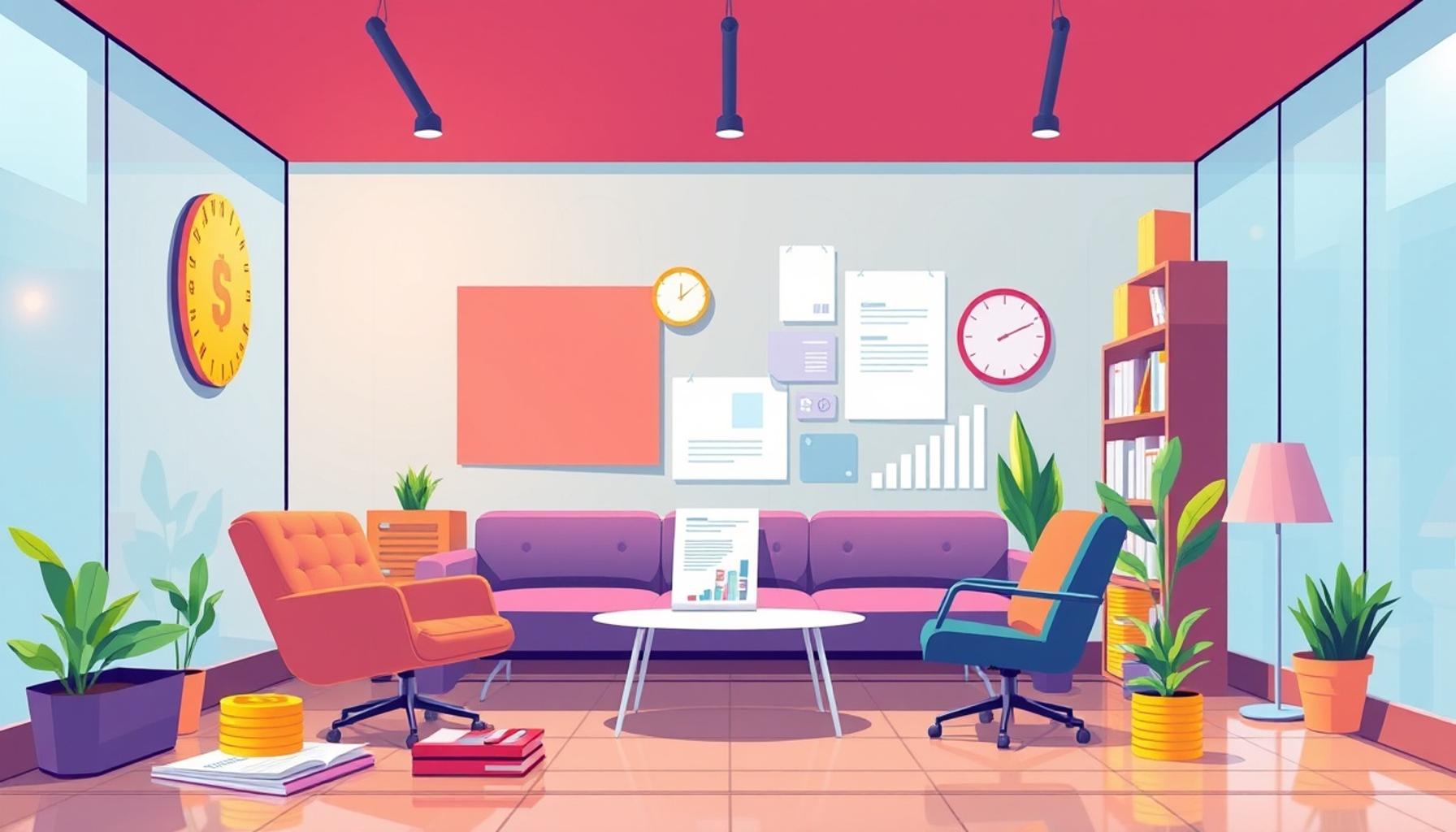
As urban environments grow denser, the need for multifunctional spaces has never been more pressing. In this fast-paced world, the way we utilize and design our spaces plays a crucial role in enhancing our lifestyle. By applying principles of minimalism and space optimization, we can create versatile environments that adapt to our ever-changing needs. This trend isn’t just about making do with limited square footage; it’s about revolutionizing our relationship with our homes to foster comfort, efficiency, and creativity.
Key Features of Multifunctional Spaces
- Transformable furniture that serves multiple purposes: A classic example is the Murphy bed, which folds away during the day to free up floor space and can transform a bedroom into a home office or living room when needed. Modular sofas are another prime example, allowing for various configurations to accommodate different gatherings or activities.
- Open layouts that maximize natural light and flow: Homes designed with open floor plans not only create a sense of spaciousness but also promote social interaction. For instance, transitioning from the kitchen to the living area without walls can enhance family bonding and communication.
- Smart storage solutions to reduce clutter and maintain order: Utilizing vertical space through shelving or storage ottomans can dramatically increase storage capabilities without sacrificing aesthetic appeal. Consider installing wall-mounted shelves in living rooms or bedrooms to elevate knick-knacks while keeping surfaces clear.
Whether it’s a small studio apartment in Manhattan or a contemporary home in Austin, the concept of multifunctional living is reshaping how we perceive and inhabit our spaces. By integrating minimalism, we not only simplify aesthetics but also enhance functionality, allowing spaces to do more with less. This approach acknowledges the need for flexibility in our living environments, recognizing that our daily activities—work, relaxation, and socialization—often overlap.
Benefits of Embracing Minimalism
- Reduced stress through a decluttered environment: A tidy space can lead to a tidy mind. With fewer distractions and a more organized living area, individuals often experience increased tranquility.
- Increased creativity with adaptable spaces: Spaces that can morph according to need foster creative thinking. Artists and homeowners alike find inspiration in environments that are fresh and occasionally changeable.
- Financial savings by investing in practical furnishings: Purchasing multifunctional furniture can initially seem like a hefty investment, but it often leads to long-term savings by replacing the need for multiple separate pieces, thereby minimizing expenses.
By exploring these principles, individuals can discover new possibilities for their surroundings. The shift towards embracing multifunctionality and minimalism is not just a fleeting trend; it represents a fundamental change in how we interact with our homes and lives. Join us as we delve deeper into the art of creating multifunctional spaces that embody both style and efficiency, paving the way for a modern lifestyle. This exploration not only enriches our personal spaces but also contributes to a broader movement towards sustainable living and environmental awareness.
DIVE DEEPER: Click here to uncover the psychological benefits of organization
Designing with Purpose and Flexibility
As we navigate through the challenges of contemporary living, the significance of multifunctional spaces becomes remarkably evident. The key lies not just in the effective use of space, but also in creating environments that respond seamlessly to the rhythms of daily life. By centering our design approaches on the principles of minimalism and space optimization, we can cultivate environments that serve multiple purposes without compromising on style or comfort. In a country where the average American home is increasingly evolving into smaller sizes—over 20% of new homes purchased in recent years have been under 1,500 square feet—intelligent design choices have never been more critical.
Creating Adaptive Spaces
Embracing the ethos of multifunctionality means recognizing the fluidity of our daily activities. Here are key strategies employed by designers and homeowners alike to achieve cohesive and adaptive spaces:
- Flexible Room Dividers: Traditional walls can be constraining; instead, consider repurposing furniture, curtains, or even sliding panels to redefine physical boundaries within a room. For example, using a bookshelf as a room divider between a living and workspace allows for privacy without closing off the area.
- Multi-Purpose Zones: Designating specific areas that can serve multiple functions is crucial. A dining table that doubles as a workspace during the day promotes productivity while being the perfect setting for family dinners at night. Also, kitchen islands with additional seating can transform a cooking area into a lively gathering spot.
- Transformative Lighting: The right lighting can significantly alter the mood and function of a space. Utilize dimmable fixtures or various lamp styles that adapt to different activities, from reading to hosting gatherings, to optimize the efficacy of your environment.
The importance of these design innovations cannot be overstated, especially when considering the increasing demand for sustainable living. As we prioritize environmentally friendly practices, multifunctional spaces naturally align with this goal—requiring fewer resources and materials, ultimately supporting a more sustainable lifestyle.
Incorporating Nature
Alongside functionality, the integration of nature into our homes is a growing trend that complements the principles of minimalism. Biophilic design—an architectural trend focused on connecting people to nature—enhances the aesthetic and emotional appeal of multifunctional spaces. Incorporating elements such as indoor plants, natural light, and even outdoor views not only creates a serene atmosphere but also contributes to improved mental well-being.
As we continue to innovate our living spaces, the marriage of minimalism and multifunctionality reveals exciting possibilities. By understanding how spaces can adapt to our diverse lifestyles, we can break free from conventional limits, allowing our environments to reflect both personal taste and functional necessity. This evolving narrative of living space is not just about fewer belongings; it’s about creating a backdrop for a richer and more engaging life.
Multifunctional Spaces: The Future of Versatility
Creating multifunctional spaces is not just a trend; it’s a transformative solution for modern living and working environments. As cities grow and space becomes increasingly limited, individuals and organizations are looking for ways to maximize their environments without sacrificing style or comfort. Minimalism plays a pivotal role in this evolution. It encourages individuals to embrace simplicity, removing unnecessary clutter to enhance functionality. By focusing on essential elements, spaces can be designed to serve multiple purposes, whether for work, leisure, or social interaction. For example, a small apartment can feature a fold-out desk that transitions from a cozy lounge area to a productive workspace, catering to dual needs without compromising aesthetics.Furthermore, the principle of space optimization ensures that every inch of an area is utilized to its fullest potential. This can involve clever storage solutions, such as utilizing vertical space for shelving or incorporating multifunctional furniture that adapts to different tasks. The integration of technology, like smart home devices, also contributes to creating an automated environment, enhancing comfort while maintaining minimal design principles.Investing in multifunctional spaces not only offers practical benefits but can also lead to improved well-being. Environments designed with minimalism can reduce stress levels and promote mindfulness, creating serene atmospheres conducive to both productivity and relaxation. As more people seek flexible living and working spaces, the trend towards multifunctionality aligned with minimalist principles is becoming a necessity.To further highlight the advantages of this innovative approach, consider the following table:
| Advantages | Description |
|---|---|
| Flexibility | Allows spaces to adapt to various needs, enhancing usability. |
| Space Efficiency | Maximizes areas for both living and working, reducing clutter. |
As we delve deeper into the world of multifunctional spaces, it becomes clear that this approach is shaping the future of our environments, making them not only more versatile but also more sustainable. By streamlining our spaces, we can cultivate a lifestyle that harmonizes functionality with aesthetic appeal.
DISCOVER MORE: Click here to learn about the psychology of space
Smart Storage Solutions
Effective storage is often the backbone of multifunctional spaces, especially in smaller homes where clutter can quickly undermine the serenity promoted by minimalism. Employing smart storage solutions enables homeowners to maintain organization while preserving the open, airy feel of their living environments. Here are a few ingenious ideas that can transform how we think about storage:
- Under-Furniture Storage: Utilizing the often-overlooked spaces beneath beds, sofas, and even coffee tables can dramatically increase storage capacity. Solutions range from built-in drawers to storage bins that can be tucked away seamlessly, keeping essential items accessible yet out of sight.
- Vertical Storage: In smaller spaces, taking advantage of verticality can maximize storage potential. Wall-mounted shelves, high cabinets, and pegboards permit vertical growth while minimizing floor area usage, effectively turning walls into functional spaces. This not only reduces visual clutter but also creates opportunities for decorative displays or plants.
- Convertible Furniture: Furnishing a multifunctional space with cleverly designed, convertible furniture can offer immense flexibility. Pieces that can transform between a sofa, a bed, or even a desk help to optimize space without sacrificing style or functionality. Brands like Resource Furniture have popularized designs that showcase the beauty of adaptability.
By integrating these systems into our living environments, we can reduce the need for excess furnishing while maintaining an aesthetic that resonates with the core principles of minimalism. The benefits extend beyond mere organization; they encourage mindfulness about what we bring into our homes, aligning closely with the goals of sustainable living.
Technology and Automation
Incorporating technology into the design of multifunctional spaces further enhances their adaptability. Smart home innovations not only simplify daily interactions but also optimize how we use our environments. The growing trend of smart technology allows for an unprecedented level of control over various aspects of our living spaces:
- Smart Lighting: Automated and programmable lighting systems can adjust based on the activity or time of day. For instance, sensors can brighten work areas for focus while dimming softer lighting during movie nights or intimate dinners.
- Integrated Devices: Devices like retractable screens or built-in entertainment systems can turn a cozy living room into a home theater with a touch of a button, maximizing the utility of the available space. Similarly, smart thermostats can optimize comfort and energy efficiency within diverse multifunctional zones.
- Virtual Assistants: Voice-activated virtual assistants can facilitate seamless management of household chores and activities, from controlling lights and security systems to setting reminders, making it easier to transition between the various functions of a room.
Data shows that the adoption of smart home technology among homeowners in the U.S. is steadily rising, with reports indicating an anticipated market growth of up to $174 billion by 2025. This surge suggests that by integrating technology with space optimization, we enhance not only functionality but also convenience, leading to a more satisfying living experience.
The Aesthetic Appeal of Multifunctionality
While functionality is crucial in multifunctional spaces, aesthetics play an equally vital role. Modern approaches to design emphasize the importance of creating visually appealing environments that reflect personal style. A harmonious color palette, thoughtful decorative touches, and the careful selection of materials can elevate a multifunctional space from basic to extraordinary. The blend of form and function promotes a sense of calm and order, essential in the pursuit of minimalism.
In practice, this could mean selecting a cohesive color scheme that reflects light and opens up a space while incorporating textures like plush rugs or natural wood accents that invite warmth. Wallpaper or paint can also be used creatively to designate different areas within an open floor plan, allowing each zone to retain its own character while remaining part of a unified whole.
By marrying functionality with a keen eye for aesthetics, we can create versatile environments that embody the principles of minimalism and space optimization, paving the way for more intentional living and meaningful interaction with our surroundings.
DIVE DEEPER: Click here to learn about the psychology of space
Conclusion
As we navigate the evolving landscape of urban living, multifunctional spaces have emerged as a compelling solution for maximizing utility without compromising on style or comfort. By embracing the principles of minimalism and space optimization, individuals can transform their homes into versatile environments that cater to a multitude of needs. The strategies discussed—ranging from smart storage solutions to the integration of cutting-edge technology—serve as powerful tools that not only enhance organization and efficiency but also promote a more mindful approach to our possessions and interactions within our homes.
The blending of functionality with aesthetic appeal is essential in creating a nurturing atmosphere that encourages relaxation and creativity. With trends leaning towards smaller living spaces, the incorporation of multifunctional furniture and adaptable designs allows us to maximize every square foot, increasing our quality of life while minimizing clutter. This shift also invites a more sustainable lifestyle, urging us to prioritize what we truly need.
Ultimately, as we consider the future of our living environments, the balance between simplicity and versatility will be crucial. By exploring these innovative concepts, we can foster spaces that not only reflect our personal aesthetics but also enhance our daily experiences. Whether in a cozy apartment or a spacious home, the art of multifunctionality equips us to embrace a more intentional and fulfilling way of living, encouraging us to discover and appreciate the potential of our surroundings.
Related posts:
The Psychology of Space: The Impact of Organization and Minimalism on Mental Health
Simplicity in the Kitchen: Space Optimization Tips for Utensils and Food
Simplicity in Practice: Organization Tips to Reduce Clutter and Optimize Spaces
Digital Minimalism: Optimizing Virtual Spaces for a More Organized Life
Nomadic Lifestyle: How to Optimize Spaces in Vehicles for a Minimalist Life
The Influence of Space Organization on Stress Reduction in Minimalist Lifestyles

Beatriz Johnson is a seasoned digital lifestyle strategist and green tech writer with a passion for demystifying sustainable technology and eco-conscious living. With over a decade of experience at the intersection of innovation and sustainability, she specializes in topics like smart home solutions, renewable tech applications, and global trends in green digitalization. Through her work on our platform, Beatriz empowers readers to make informed choices about adopting planet-friendly technologies while optimizing their digital lives for both efficiency and environmental impact.