Transforming Spaces: The Influence of Mindful Living on Creating Minimalist and Cozy Environments
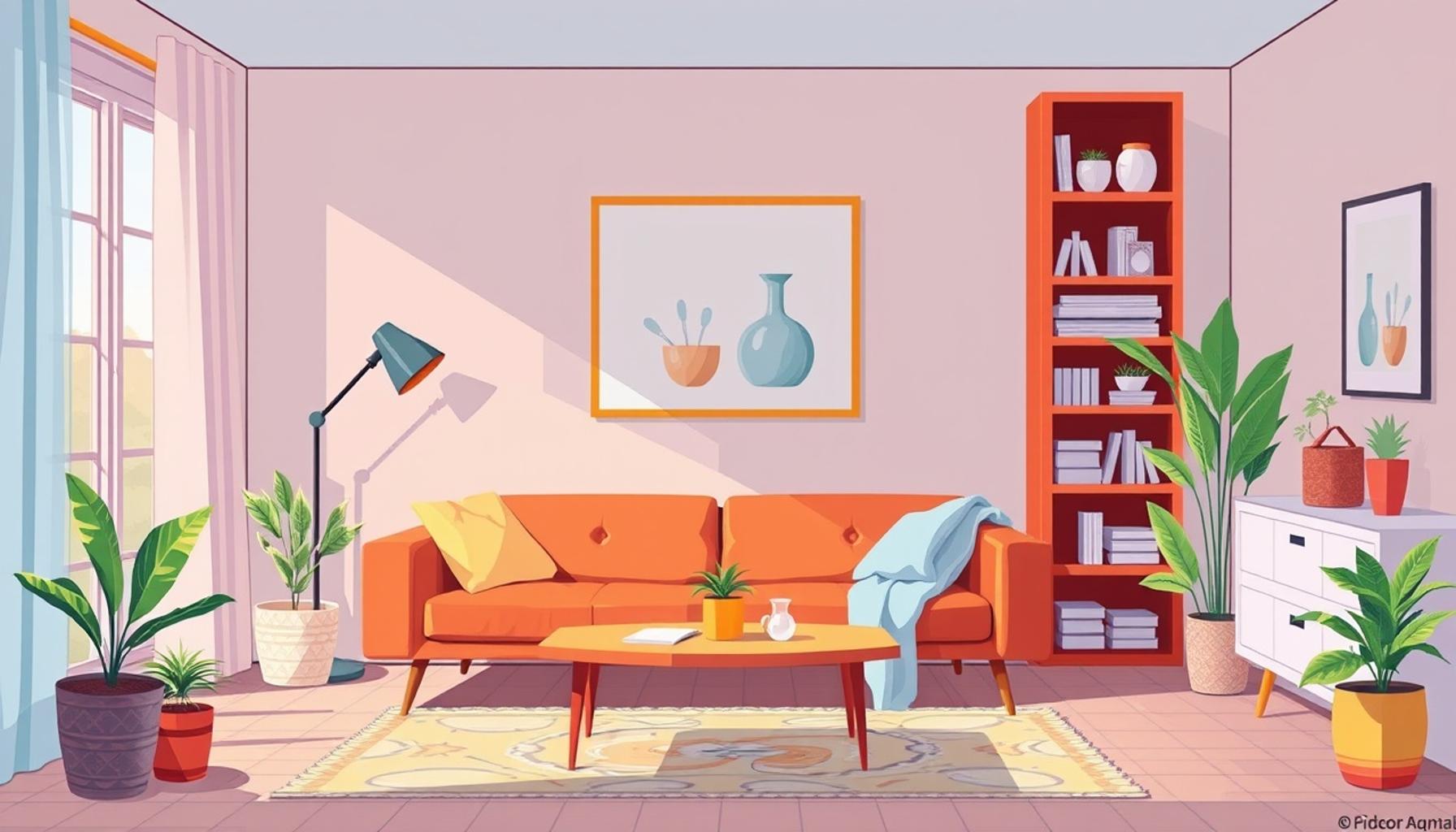
Exploring the Art of Mindful Living
In our modern era, where consumerism and excess can overwhelm our senses, mindful living presents itself as a compelling alternative. This lifestyle choice advocates for focusing on the essence of our surroundings and the spirit of the life we cultivate. As individuals embrace the idea of living with intention, they often find themselves gravitating toward minimalist principles and cozy environments. It is intriguing to examine how the principles of minimalism and cozy aesthetics come together to enrich our living spaces and overall well-being.
The Essence of Minimalism
At its core, minimalism is about stripping away the unnecessary and focusing on the essential components of life. This philosophy encourages individuals to declutter their environments, leading to mental clarity and less stress. Key features that define a minimalist approach include:
- Decluttered Spaces: Adopting a decluttering mindset means retaining only items that truly resonate with us. The popular KonMari method, derived from Marie Kondo’s philosophy, suggests that we keep only those possessions that “spark joy,” which can significantly alter our emotional and physical surroundings.
- Neutral Palettes: Integrating calm, neutral colors like soft whites, beiges, and grays can create a tranquil atmosphere. These shades allow the mind to rest, making spaces feel more serene and open, ideal for promoting relaxation.
- Functional Design: When selecting furniture, it’s worthwhile to invest in pieces that provide versatility, such as a sofa bed or a coffee table with storage. This not only reduces clutter but can also save space, making tiny homes or apartments feel more inviting.
The Comfort of Coziness
On the other hand, coziness is about fostering an ambience that promotes warmth, safety, and a sense of belonging. Through thoughtful design choices, individuals can imbue their spaces with comfort. Essential elements that contribute to a cozy atmosphere include:
- Soft Textiles: The incorporation of plush cushions, thick throws, and soft rugs brings tactile comfort into a space. Layering these textiles can create a visually appealing aesthetic while enhancing the sensory experience.
- Warm Lighting: The shift from harsh fluorescent lights to warm, ambient lighting can transform the feel of any room. Using floor lamps, string lights, or candles can create intimate spaces ideal for relaxation or gathering with loved ones.
- Personal Touches: Filling a space with personal mementos, like family photos, travel souvenirs, or handcrafted art, adds a distinctive character. These items evoke memories and emotions, making a house feel like home.
Integration of these mindful living practices not only enhances personal well-being but also invites a lifestyle rich with intentional choices and meaningful experiences. To fully appreciate the impact of our living spaces, we need to engage in an exploration that blends minimalism and coziness, paving the way for a more serene and purposeful life. The journey may require adjustments, but the rewards lie in a harmonious home that nurtures not just the body, but the mind and spirit as well.
DISCOVER MORE: Click here to learn about the psychology of space
Harmonizing Minimalism and Coziness
The intersection of minimalism and coziness reveals a fascinating pathway for cultivating mindful living in our homes. As more people seek to create spaces that reflect their personal values and lifestyle, understanding how these two approaches complement each other becomes vital. By embracing both minimalist principles and cozy aesthetics, individuals can transform their environments into sanctuaries that promote relaxation and clarity.
One of the most profound aspects of blending these two philosophies is how they inherently support emotional well-being. Research has shown that cluttered environments can lead to increased levels of stress and anxiety. A study published in the Personality and Social Psychology Bulletin found that individuals living in cluttered homes reported feeling overwhelmed, while those in organized spaces experienced greater emotional stability. Implementing minimalism can dramatically shift this dynamic, providing a solid foundation for the coziness that follows.
The Role of Mindful Minimalism
Mindful minimalism is not merely about having fewer possessions; it is a deliberate practice focused on enhancing the quality of life. This approach encourages individuals to engage with their surroundings in a deeper, more intentional manner. Key aspects of mindful minimalism include:
- Intentional Purchases: Rather than succumbing to impulse buying, mindful minimalism advocates for thoughtful decision-making when it comes to acquiring new items. This could mean saving for a high-quality piece of furniture instead of filling a space with disposable decor that lacks meaning.
- Space for Reflection: Minimalist spaces often prioritize open areas that allow for moments of mindfulness and meditation. A simple corner with a comfortable chair and a small table can serve as a personal retreat within the home.
- Mindful Maintenance: Caring for fewer items means being more intentional in their upkeep. Instead of feeling overwhelmed by a multitude of tasks, individuals can take pride in maintaining their sanctuary, ensuring that each piece contributes to their peace of mind.
Creating Coziness in Minimalist Spaces
While a minimalist approach often emphasizes simplicity, incorporating cozy elements creates a balanced atmosphere. The challenge lies in choosing items that enhance comfort while adhering to minimalist ideals. Here are some strategies to achieve this balance:
- Layering Textures: A minimalist design can still benefit from the richness of texture. Introduce elements like woven baskets, a chunky knit throw, or a soft quilt to add warmth without overcrowding the space.
- Personalized Accents: Thoughtful displays of personal belongings can turn a neutral space into an inviting haven. For instance, a single framed photograph or a beautifully crafted vase can serve as a focal point that sparks joy without creating chaos.
- Embracing Natural Elements: Utilizing houseplants or natural wood furniture not only contributes to a cozy environment but also enhances air quality and promotes a sense of tranquility. Integrating these elements draws a connection between indoor spaces and the beauty of the natural world.
Ultimately, the journey toward transforming living spaces through mindful practices is deeply personal. As we navigate the delicate balance between minimalism and coziness, we invite serenity into our lives while fostering an environment that nurtures both heart and home. By understanding and implementing these principles, we can create spaces that embody our ideals and empower us to live intentionally.
| Advantages | Description |
|---|---|
| Enhanced Well-Being | Mindful living encourages greater focus on personal well-being, promoting a balanced and serene lifestyle. |
| Clutter Reduction | Creating a minimalist environment leads to reduced distractions, allowing individuals to concentrate better. |
| Emotional Clarity | A cozy, minimalist space can foster emotional clarity and relaxation, essential for stress relief. |
| Sustainable Practices | Mindful living often encourages eco-friendly choices, contributing to a sustainable environment. |
Mindful living acts as a keystone influence on interior design by emphasizing comfort and clarity. From furniture selection that magnifies functionality to color schemes that promote peace, the environment of a home becomes a sanctuary. Moreover, adopting a minimalist approach often entails embracing natural materials, which not only add warmth but also enhance sustainability. The echoes of nature resonate through spaces filled with soft textiles and carefully curated decor, embodying a lifestyle that is not just minimalist but deeply connected to the essence of our surroundings. As such, exploring these transformative experiences further invites individuals to discover how small changes in their environments can lead to profound personal changes.
DIVE DEEPER: Click here to discover more about the psychology of space
Enhancing Well-Being Through Intuitive Design
As we delve deeper into transforming spaces through mindful living, it’s essential to embrace the concept of intuitive design. This idea revolves around understanding how our environments affect our emotions, behavior, and overall well-being. By designing spaces that are both minimalist and cozy, we can cultivate a sense of harmony that aligns with our mindsets and promotes serenity.
Color Psychology in Minimalist Spaces
The role of color in shaping our feelings cannot be overstated. Color psychology suggests that different hues evoke distinct moods and reactions. For instance, soft blues and gentle greens can create a tranquil atmosphere, while warm neutrals like beige and taupe emanate comfort and coziness. Integrating these colors into a minimalist design allows for a calming backdrop, reinforcing the dual principles of simplicity and warmth.
Consider a living room with white walls and a few carefully placed furniture pieces in muted tones. By adding a single accent wall of a soothing color, such as pale lavender or mint green, one can establish a focal point that invites relaxation without overwhelming the space. This subtle touch emphasizes mindful living principles while enhancing the overall design aesthetic.
The Importance of Natural Light
Natural light is another critical element in creating a harmonious environment. Studies have shown that exposure to natural light can boost mood, increase productivity, and improve overall well-being. In minimalist designs, large windows and unobstructed space allow for abundant daylight, which can make even the simplest elements stand out.
Incorporating sheer curtains can soften harsh sunlight without detracting from a clean look, allowing spaces to feel airy and inviting. Strategically placed mirrors can also reflect light, dispersing it throughout the room and further enhancing the ambiance. Recognizing how light shapes our experiences helps to create an environment that is not only functional but also nurturing.
Mindful Arrangements and Flow
A mindful approach to spatial arrangement focuses on the concept of flow within a space. This principle encourages the creation of pathways that facilitate movement, keeping the environment accessible and welcoming. For example, decluttering pathways ensures that areas are free from obstacles, allowing for a graceful transition between rooms.
The layout of furniture can enhance the flow, too. Placing seating in a circular formation invites conversation and connection while maintaining a spacious feel. This thoughtful arrangement fosters interaction and promotes warmth within a minimalist context. By being attentive to how spaces are navigated, individuals can create a home that feels harmonious and engaged.
Incorporating Multi-Functional Furniture
In the realm of mindful minimalism, less truly can be more, especially when incorporating multi-functional furniture. Pieces that serve dual purposes reduce clutter and emphasize simplicity, while still providing comfort and warmth. For example, a stylish ottoman can act as both a coffee table and additional seating, allowing for more open space and a less crowded environment.
Furthermore, wall-mounted shelves serve as both storage and display areas, showcasing personal treasures without consuming valuable floor space. This clever integration not only contributes to a minimalist aesthetic but also cultivates a cozy environment that celebrates the art of thoughtful living. When every piece of furniture is chosen and arranged mindfully, it adds to the overall ambiance of comfort and tranquility.
Transforming our spaces through the lens of mindful living thus involves a rich interplay of design principles, emotional intelligence, and personal expression. By harnessing these elements, we can create minimalist yet cozy environments that resonate with our values and support our well-being.
DIVE DEEPER: Click here to discover the connection between space and mental health
Conclusion: The Future of Mindful Living in Our Spaces
As we explore the transformative journey of mindful living, it becomes clear that our environments play a pivotal role in shaping our experiences and emotions. By embracing principles such as intuitive design, color psychology, and natural light, we can craft spaces that not only echo the minimalist aesthetic but also foster a profound sense of coziness and well-being. The thoughtful arrangements that facilitate flow and interaction remind us of the human need for connection, while multi-functional furniture reflects our desire for simplicity and purpose.
Moreover, these design elements can contribute significantly to mental clarity and emotional stability. Research has demonstrated that a clutter-free, serene environment enhances productivity and creates an atmosphere conducive to relaxation and mindfulness. By investing time in transforming our living spaces into havens of simplicity and warmth, we engage with the values that matter most to us—peace, comfort, and connection with ourselves and others.
As individuals increasingly seek to prioritize well-being in their daily lives, understanding the influence of mindful living on our environments becomes not just beneficial but essential. The minimalist approach serves as a stepping stone towards deeper self-awareness and intentionality in our material choices. In a world constantly pulling us in various directions, redefining our spaces becomes an act of resilience and empowerment, enabling us to create homes that truly reflect who we are.
In closing, the art of transforming spaces through mindful living is a continuous journey. It invites us to explore and experiment, finding joy in simplicity while creating enveloping atmospheres that nurture our spirit. Let us embrace this path and cultivate the environments that inspire and uplift us.
Related posts:
Calm in Simplicity: How Minimalism Contributes to Mental Health and Well-Being Through Mindful Livin...
The Art of Living with Less: How Minimalism Promotes Mindfulness
Minimalist Organization: Strategies to Integrate Mindfulness into Cleaning and Tidying Routines
Creating Conscious Routines: How Minimalism Helps Manage Time and Energy
Mindful Living and the Importance of Personal Space: Creating Environments that Promote Mental Clari...
Digital Minimalism: Cultivating Mindfulness in a Connected World

Beatriz Johnson is a seasoned digital lifestyle strategist and green tech writer with a passion for demystifying sustainable technology and eco-conscious living. With over a decade of experience at the intersection of innovation and sustainability, she specializes in topics like smart home solutions, renewable tech applications, and global trends in green digitalization. Through her work on our platform, Beatriz empowers readers to make informed choices about adopting planet-friendly technologies while optimizing their digital lives for both efficiency and environmental impact.