The Importance of Natural Light in Optimizing Minimalist Spaces
The Transformative Power of Natural Light
Natural light plays a crucial role in enhancing the aesthetics and functionality of minimalist spaces. In a world increasingly leaning towards minimalism, understanding the effects of natural light can transform a simple room into a captivating haven. The interplay of light and space not only elevates the design but also fosters a sense of well-being and calm.
Key advantages of integrating natural light in minimalist designs include:
- Enhanced Mood: Sunlight is known to boost serotonin levels, leading to improved mental well-being. Exposure to natural light can significantly enhance one’s mood, energy levels, and even productivity. For instance, studies have shown that workers in offices with ample natural light report higher levels of job satisfaction and less stress compared to those in artificially lit environments.
- Spatial Perception: Natural light can make spaces feel larger and more open, which is essential in minimalist designs. Large windows or strategically placed skylights can wash rooms in light, enhancing the sense of airiness. A small apartment in New York City, for example, might utilize floor-to-ceiling windows that bring the outside in, creating a seamless transition between the urban environment and cozy living space.
- Energy Efficiency: Relying on sunlight reduces the need for artificial lighting, resulting in lower energy consumption. By designing spaces that maximize natural light, homeowners can significantly reduce their electricity bills. For example, modern homes with open floor plans and ample daylight can often remain illuminated during the day, promoting sustainability without compromising style.
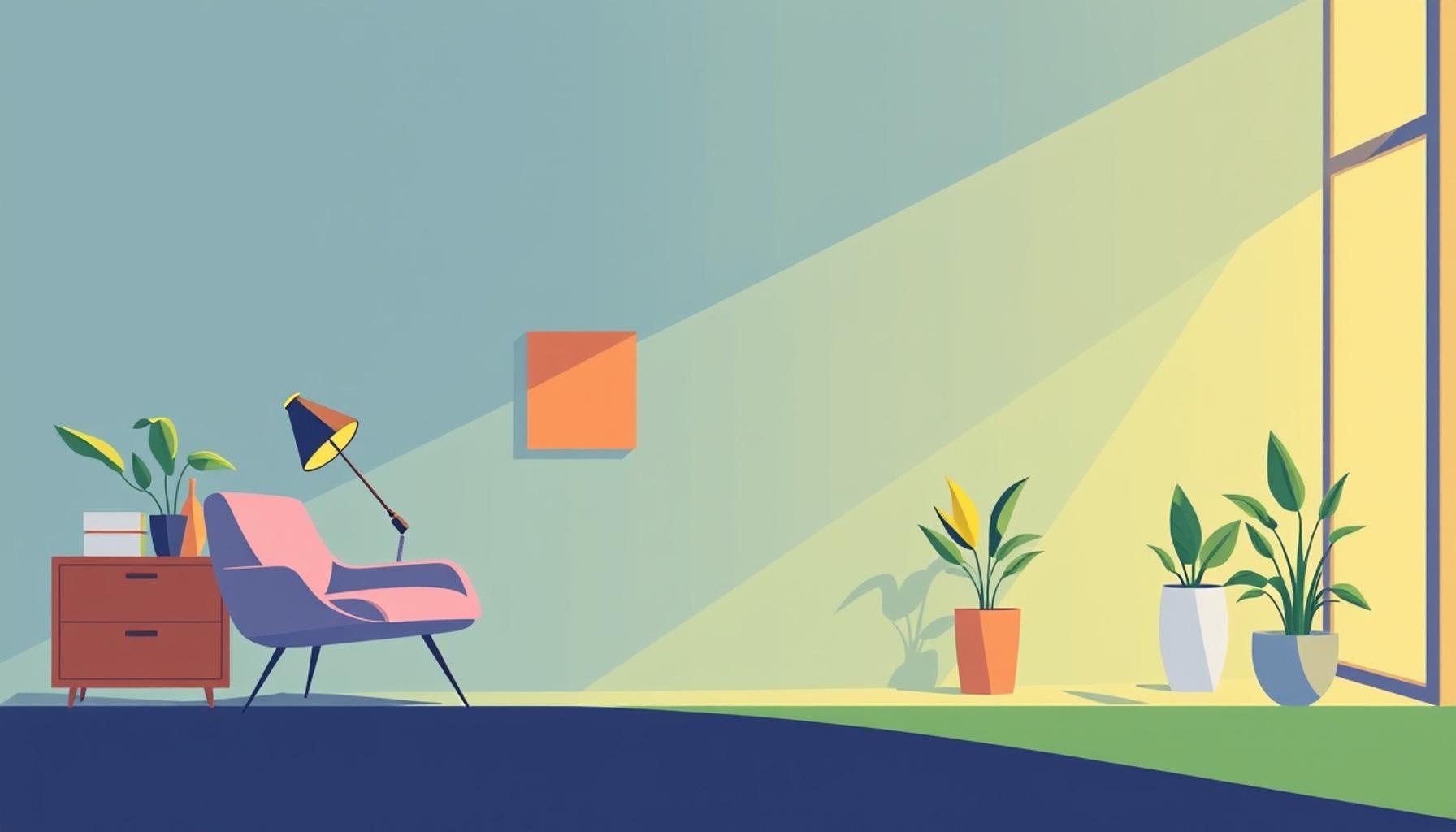
Moreover, natural light can accentuate the simplicity and beauty of minimalistic decor. A well-placed beam of sunlight can highlight textures in a clean-lined sofa or warm up the tones of wooden flooring. This vivid contrast helps to create focal points in the room without the clutter typically associated with more elaborate designs.
By creating a harmonious balance between light and space, these environments invite creativity and tranquility, aligning perfectly with the minimalist lifestyle. Designers emphasize the necessity of considering light fixtures and color palettes carefully to ensure that natural light is reflected and refracted in the best possible way. Light colors on walls, such as soft whites or gentle pastels, can be immense in amplifying natural light, resulting in a serene ambiance.
As designers and homeowners alike explore the profound effects of natural light, it becomes evident that its importance cannot be overstated. Understanding how to optimize light in minimalist settings is a vital step towards embracing this design philosophy fully. Techniques such as using mirrors to bounce light around or incorporating glass partitions can further enhance the effect of daylight within a space.
In conclusion, natural light serves not just as an aesthetic enhancement but as a fundamental component of a minimalist design approach, influencing everything from mood to energy efficiency. As more people embrace minimalism, recognizing the transformative power of natural light will undoubtedly shape how we perceive and utilize our living and working environments.
DISCOVER MORE: Click here to learn about the psychology of space
Maximizing Space Through Natural Illumination
The presence of natural light in minimalist spaces is a powerful tool that goes beyond merely illuminating a room; it plays a vital role in optimizing space and transforming the overall experience of a living area. Minimalist design emphasizes simplicity and functionality, and when combined with the right amounts of natural light, it can amplify the essence of these principles.
One of the most significant impacts of natural light is its ability to alter our perception of space. By flooding a room with daylight, the boundaries of that space seem to expand. This is particularly crucial in smaller homes and apartments, where every square inch counts. Architectural features like open floor plans, large windows, and smartly placed mirrors can enhance natural light, creating a more inviting and visually appealing environment. For instance, a contemporary studio apartment with a single large window may use light to create distinct zones, segregating the living area from the sleeping space without physical barriers.
Moreover, the quality of natural light changes throughout the day, offering a dynamic aspect to minimalist spaces. Early morning light has a soft, muted quality that enhances warmth, ideal for welcoming occupants into their home. In contrast, the bright afternoon sun creates sharper contrasts, highlighting textures and materials used in décor. The opportunity to engage with these natural variations is one of the hallmarks of minimalist living—helping residents develop a deeper connection with their surroundings.
Benefits of Natural Light in Minimalist Design
Integrating natural light into minimalist design not only beautifies the space but also brings with it several essential benefits:
- Psychological Well-Being: Natural light is linked to improved sleep cycles and mood regulation. Its presence in a minimalist setting can reduce feelings of anxiety and foster a sense of peace, aligning beautifully with the principles of minimalism.
- Increased Productivity: Several studies indicate that individuals working in environments lit by natural light tend to be more focused and productive. This supports the notion that a clear, uncluttered work area, when paired with ample sunlight, facilitates better performance.
- Visual Comfort: A well-lit space reduces the strain on the eyes compared to artificial lighting. This is especially important for those who spend long hours working or reading in their living areas.
When one steps into a room bathed in natural light, the atmosphere feels vibrant and alive. The effects of light not only enhance the aesthetic qualities of minimalist designs but also promote an inviting and functional environment. As we continue exploring the nuances of natural light in optimizing minimalist spaces, it becomes apparent that the deliberate design choices surrounding light exposure can elevate our everyday experiences, making homes places of comfort, inspiration, and tranquility.
The Role of Natural Light in Enhancing Minimalist Design
Natural light is a pivotal element in transforming minimalist spaces into serene sanctuaries. Its abundant presence elevates the aesthetic while promoting a sense of calm. In minimalist design, where every detail is intentional, the incorporation of natural light becomes a functional asset, contributing to an inviting atmosphere. Large windows and skylights are popular choices that not only brighten the space but also create a seamless connection between the indoor and outdoor environments.Moreover, the impact of natural light extends beyond aesthetics; it significantly influences mood and well-being. Studies reveal that exposure to natural light can lead to improved productivity, enhanced creativity, and increased energy levels. For instance, an office designed with ample daylight not only looks more appealing but also fosters a more dynamic work environment. Particularly in minimalist living areas, where simplicity reigns supreme, natural light can enhance the spatial perception. Bright, airy rooms feel larger and more open, counteracting any potential feelings of confinement that minimalism may sometimes evoke. The meticulous arrangement of furniture and decor is complemented by the soft, warm hues of sunlight, creating visual harmony throughout the space.Furthermore, utilizing natural light aids in reducing energy consumption. By optimizing daylighting strategies, such as reflective surfaces and strategic room placement, homes can decrease reliance on artificial lighting, ultimately leading to better sustainability practices. As we explore the benefits of natural light further, it becomes evident that its role in minimalist spaces is not merely decorative but foundational to the ethos of simplicity, clarity, and peace.
| Advantages | Key Features |
|---|---|
| Enhanced Aesthetics | Natural light uplifts the space, making it more visually appealing. |
| Improved Mood | Exposure to sunlight boosts happiness and decreases stress levels. |
| Energy Efficiency | Leveraging natural light reduces dependence on artificial lighting. |
| Spatial Perception | Bright rooms feel larger and more open, enhancing minimalist living. |
DIVE DEEPER: Click here to discover more about the impact of organization on mental health
The Role of Design in Enhancing Natural Light
Enhancing natural light within minimalist spaces is as much about architectural design as it is about the placement of furniture and decor. The natural flow of light can be manipulated through careful consideration of materials, colors, and layouts. By implementing strategies that embrace daylight, homeowners can optimize even the quaintest of spaces to feel larger and more inviting.
Architectural aspects such as skylights and clerestory windows enable the maximization of vertical light, making it possible to illuminate areas that standard windows may miss. This approach can be particularly beneficial for multi-story buildings or homes with high ceilings. The influx of light from above not only creates a more open feeling but also adds layers of depth to interior design, where shadows from light sources can accentuate minimal furnishings and decor.
Choosing the right interior colors is another crucial factor. Light, neutral colors tend to reflect sunlight, enhancing the brightness of a space. Shades of white, soft grays, or pastel tones can harmonize beautifully with natural light and contribute to an uncluttered aesthetic, which is essential in minimalist design. For example, using light-colored paint can help a small kitchen feel airy and spacious. Coupled with energy-efficient windows that allow free flow of light while blocking out harsh UV rays, the result is an environment that feels open without compromising on comfort.
Connecting Indoor and Outdoor Spaces
Minimalist design thrives on the idea of continuity between indoor and outdoor environments. This connection not only amplifies natural light but also enhances the overall quality of life within those spaces. For example, large sliding or folding glass doors are becoming increasingly popular, effectively blurring the boundaries between the living area and garden or patio. Such features allow natural light to permeate the interiors while also facilitating a seamless transition to outdoor living, creating an almost Zen-like ambiance that encourages relaxation and mindfulness.
Furthermore, outdoor spaces themselves can serve as a natural extension of the home. Strategically placed landscape elements—such as trees, plants, or even nearby architecture—can act as natural shades or light modulators. These elements not only affect the quantity of light flowing into the home but also shape the quality of that light, filtering it for a softer glow within the living area. Landscaped courtyards can be a delightful retreat that integrates nature with minimalist aesthetics.
- Flexible Designs: Open floor plans and multifunctional furniture enable spaces to adapt and change with natural light patterns throughout the day.
- Increased Energy Efficiency: Well-designed spaces that maximize natural light can reduce reliance on artificial lighting, promoting eco-friendly living.
- Natural Ventilation: Thoughtfully placed windows and doors not only allow light in but also facilitate airflow, leading to a cooler and fresher atmosphere.
Ultimately, the essence of minimalist design is simplicity, and when natural light is integrated thoughtfully into this equation, it brings functionality, aesthetics, and well-being to the forefront. This complex interplay of design and light not only transforms spaces but also invites occupants to live harmoniously within their environments.
DISCOVER MORE: Click here to learn about the connection between space and mental health
Conclusion: Embracing the Power of Natural Light in Minimalist Spaces
In conclusion, the significance of natural light in optimizing minimalist spaces cannot be overstated. This dynamic interplay between natural illumination and minimalist design plays a pivotal role in creating environments that are not only aesthetically pleasing but also functional and nurturing to well-being. By harnessing design elements such as skylights, large windows, and strategic color palettes, homeowners can effectively enhance the volume and energy of their spaces, making them feel open, airy, and far more inviting.
Moreover, the connection between indoor and outdoor environments fosters a seamless transition that deepens the sense of tranquility and connection with nature. As we consider the growing importance of eco-friendly practices in design, maximizing natural light not only contributes to an inviting ambiance but also encourages sustainability by reducing energy consumption.
Ultimately, as you explore and implement these principles within your own living spaces, keep in mind the profound impact well-planned access to natural light has on comfort, mood, and productivity. As a growing emphasis on minimalist living persists, understanding the role of natural light will not only enrich the design experience but also promote a mindful approach to living that resonates with balance and simplicity. Embrace this powerful resource that enhances your environment and uplifts your spirit—your space, and your well-being, will be all the better for it.
Related posts:
Multifunctional Spaces: Innovations in Minimalist Design for Leisure and Work Environments
The Role of Colors in the Perception of Spaces and in the Practice of Minimalism
Multifunctional Furniture: The Key to Optimizing Spaces in Minimalist Lifestyles
Smart Storage: Creative Solutions to Make the Most of Every Inch of Space at Home
Maximizing Small Spaces: Space Optimization Techniques in Minimalist Apartments
Transforming Outdoor Spaces: Space Optimization Strategies in Minimalist Gardens and Balconies

Beatriz Johnson is a seasoned digital lifestyle strategist and green tech writer with a passion for demystifying sustainable technology and eco-conscious living. With over a decade of experience at the intersection of innovation and sustainability, she specializes in topics like smart home solutions, renewable tech applications, and global trends in green digitalization. Through her work on our platform, Beatriz empowers readers to make informed choices about adopting planet-friendly technologies while optimizing their digital lives for both efficiency and environmental impact.