Mindful Living and the Importance of Personal Space: Creating a Minimalist Refuge for the Mind and Body
Discovering the Power of Mindful Living
In a world overflowing with chaos and distractions, the concept of mindful living emerges as a powerful antidote. Embracing this lifestyle means intentionally focusing on the present, cultivating inner peace, and harmonizing your living environment. With an increasing pace of life, many individuals are recognizing the profound benefits that come from simplifying their surroundings. By adopting mindful practices, we learn to appreciate the small moments that bring joy and spark fulfillment in our daily routines.
The Value of Personal Space
Creating a personal space that fosters tranquility is essential for both mental and physical well-being. A serene environment can lead to improved clarity, reduced stress, and better emotional regulation. The concept of personal space transcends mere aesthetics; it serves as a sanctuary for self-discovery and rejuvenation. Consider the following key elements when thinking about your personal space:
- Declutter: Begin by removing items that no longer serve a purpose or hold sentimental value. A clutter-free environment not only reduces visual distractions but can also help clear your mind. The act of letting go can be cathartic, offering a fresh perspective on what truly matters in your life.
- Natural Elements: Incorporate plants, natural light, and color schemes that evoke calm. Research shows that exposure to greenery can lower stress and enhance mood. For example, a simple houseplant like a snake plant or a peace lily can purify the air while adding a touch of nature indoors. Natural light enhances productivity and promotes a positive atmosphere, making your living space feel more inviting.
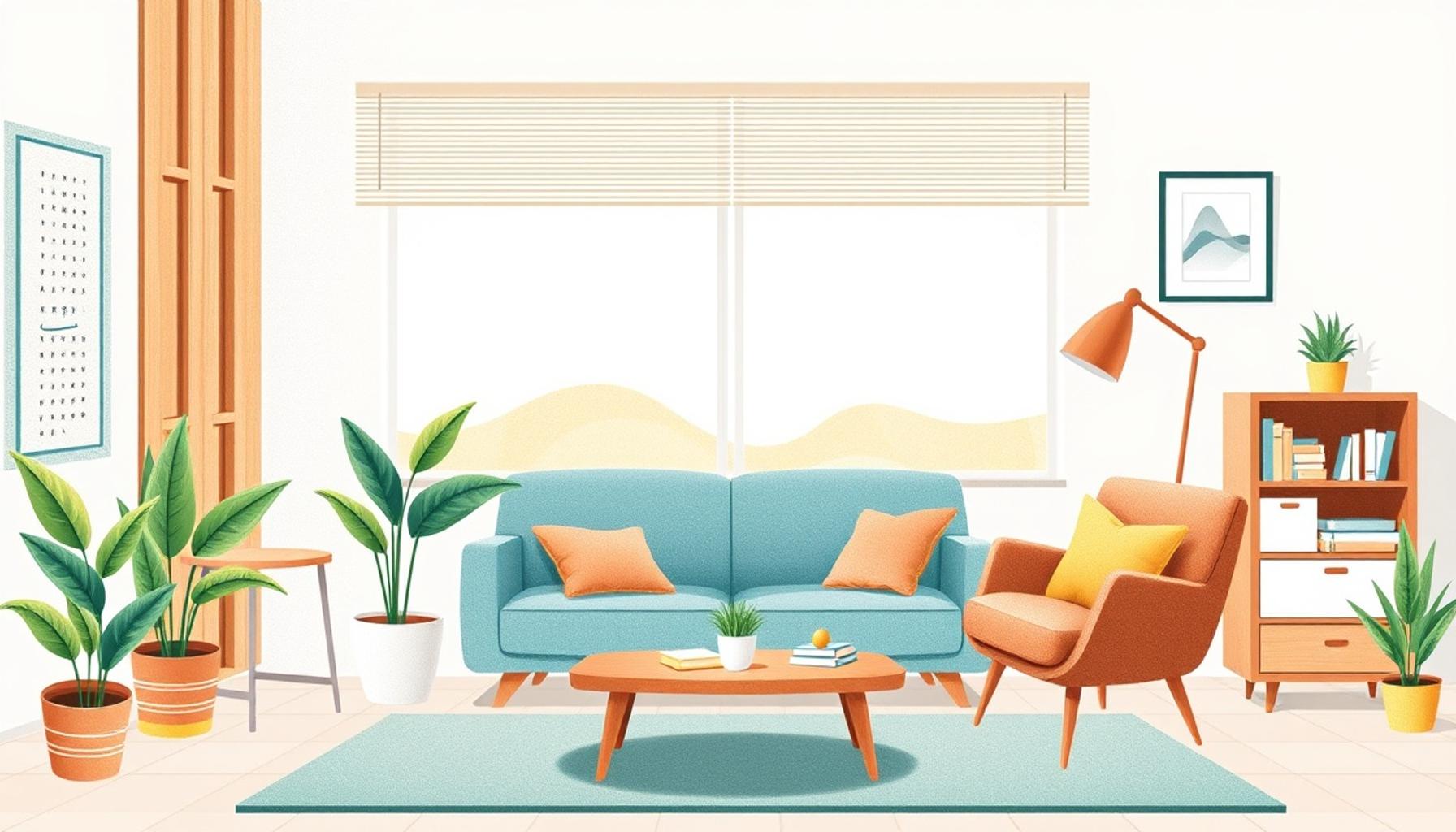
- Quiet Zones: Designate areas specifically for reflection, meditation, or simply unwinding. This could be a cozy nook with a comfortable chair, soft lighting, and soothing decor. Having a dedicated space where you can disconnect from the outside world helps nurture mindfulness and introspection, crucial elements for psychological health.
As the minimalist movement gains traction across the United States, it is reshaping how people approach their homes and inner lives. Minimalism encourages individuals to reevaluate their surrounding influences and prioritize their mental space, aligning perfectly with the principles of mindfulness. More people are realizing that less can indeed be more, as it allows for a richer, more fulfilling experience with the items and relationships they choose to keep.
Creating a Refuge for the Mind and Body
Transforming your space into a minimalist refuge involves understanding the profound impact that your environment has on your mental state. By cultivating a serene atmosphere, you not only enhance your mindfulness practice but also promote overall wellness. Mindful living is about being present in the moment, which is facilitated by a comforting environment.
Moreover, consider engaging your senses to enrich your mind-body connection. Soft music, calming scents such as lavender or eucalyptus, and gentle textures can create an immersive experience that fosters relaxation. Research indicates that sensory elements can significantly influence mood and stress levels.
Ultimately, the journey toward mindful living is about conscious choices. Reflect on your habits, behaviors, and surrounding influences. With intentionality, your living space can evolve into more than just a home—it can become a haven for your mental, emotional, and spiritual well-being, reflecting who you are and what you value most.
DISCOVER MORE: Click here to learn about the impact of space on mental health
Embracing Minimalism for Mental Clarity
As we delve deeper into the realm of mindful living, it becomes evident that the importance of personal space plays a pivotal role in nurturing mental clarity and emotional balance. Crafting a minimalist refuge is not merely about adopting design trends, but a heartfelt commitment to enriching one’s mental landscape. In today’s fast-paced world, clutter often manifests not only in our physical environments but also within our minds. When we liberate our spaces from unnecessary possessions, we simultaneously make room for new possibilities, creativity, and joy.
Designing Your Minimalist Sanctuary
To embark on this journey, consider a holistic approach to transforming your personal space into a sanctuary that resonates with mindfulness. Here are several essential strategies to help you create a minimalist refuge:
- Mindful Organization: Begin by categorizing your belongings. Identify what sparks joy and what can be released. This process, popularized by Marie Kondo, emphasizes the importance of keeping only those items that truly serve you, helping to create a harmonious atmosphere in your home.
- Integrated Technology Solutions: In the age of digital distractions, consider using technology to enhance, rather than clutter, your mental space. Smart lighting systems can adjust to your preferred ambiance for relaxation or focus, and noise-canceling headphones can create an oasis of tranquility amidst surrounding chaos.
- Personal Touches: While minimizing, don’t forget to infuse your space with meaningful items that evoke positivity. Photographs, crafts, or mementos should reflect your journey and ambitions. By surrounding yourself with these tokens, you cultivate a sense of self-awareness and appreciation within your minimalist setting.
Studies reveal that individuals who maintain a mindful environment often experience lower levels of anxiety and increased emotional stability. Personal space is not merely a physical boundary; it embodies a psychological sanctuary vital for personal development. Engaging in practices such as journaling or meditating in your designated quiet zones can further enhance your experience of minimalism, transforming your space from a simple living area into a catalyst for personal growth.
Reconnect with Nature
Nature has an extraordinary capacity to heal and inspire. Integrating natural elements into your minimalist space can significantly augment your mindful living practices. The use of sustainable materials and earthy color palettes creates a welcoming environment that bridges the gap between indoor and outdoor living. Furthermore, developing a connection with nature—whether through houseplants, natural light, or even a small garden—can elevate your mood and foster a lasting sense of peace.
As you reflect on these practices, it becomes clear that mindful living transcends physical organization. It invites you to explore emotional depths, prioritize your well-being, and create a life that aligns harmoniously with your values. By implementing these strategies, your personal space can evolve into a true refuge for the mind and body, allowing you to thrive in the complexity of modern life while celebrating the beauty of simplicity.
| Advantage | Description |
|---|---|
| Enhanced Mental Clarity | Creating a minimalist refuge aids in decluttering the mind, allowing thoughts to flow more freely and reducing anxiety levels associated with cluttered environments. |
| Increased Productivity | A designated personal space fosters focus and encourages a consistent routine, ultimately boosting efficiency and harnessing creativity. |
In the pursuit of mindful living, the creation of personal space that embodies minimalism is of paramount importance. Through a focused and intentional design of our living areas, we not only enhance our surroundings but also strengthen our well-being. Spaces stripped of excess allow for a more profound connection with ourselves, creating an atmosphere conducive to reflection and peace. By consciously choosing which items to keep and removing distractions, individuals can nurture a mental environment ripe for inspiration. This principle aligns perfectly with the ethos of mindful living; the intentionality behind a minimalist space reflects an intention to foster serenity and clarity. Moreover, studies show that minimalism can lead to reduced stress, helping our minds to unburden and prepare for creative thought processes. Thus, as we delve deeper into this concept, let’s explore how these advantages intertwine to cultivate a sense of satisfaction not only in our physical spaces but also in our mental realms.
DISCOVER MORE: Click here to delve deeper
The Psychological Benefits of a Minimalist Environment
The impact of a minimalist environment on mental health is profound. Research consistently indicates that a cluttered space can lead to feelings of overwhelm, stress, and even depression. Conversely, a thoughtfully curated personal space promotes not only productivity but also emotional well-being. A study published in the Journal of Environmental Psychology highlights that individuals living in organized and aesthetically pleasing environments reported higher levels of life satisfaction and emotional stability.
Cultivating Mindful Habits
In addition to creating a serene physical space, developing mindful habits can further enhance the benefits of a minimalist lifestyle. Here are several daily practices that can serve as cornerstones of mindful living:
- Intentional Breathing: Set aside a few minutes each day for deep breathing exercises. Focusing on your breath can ground you in the present moment and diminish feelings of anxiety and stress.
- Digital Detox: Given the prevalence of technology in our lives, scheduling regular digital detox periods can help clear mental clutter. Designate times to unplug from devices and engage in activities that nourish your mind and body, such as reading, walking, or connecting with loved ones.
- Gratitude Journaling: Practicing gratitude by writing down things you appreciate fosters a positive mindset. This simple yet powerful exercise allows you to focus on the positives in your life, reinforcing the idea that minimalism is about abundance—abundance of appreciation rather than possessions.
The Role of Community in Personal Space
While it is essential to cultivate a personal sanctuary, the concept of community should not be overlooked. Social connections are crucial in reinforcing our sense of space and belonging. In fact, feeling supported and connected to others can significantly enhance our overall well-being. Engaging with community can take many forms: volunteering for local initiatives, participating in workshops focused on mindful living, or simply gathering with friends for a shared meal. By intertwining personal space with communal experiences, we foster a sense of solidarity and extended support, crucial for personal growth.
Creating a Mindful Routine
Establishing a daily routine around your minimalist principles can further cement your commitment to mindful living. Whether it’s alternating between focused work sessions and breaks, or creating a morning ritual that includes yoga and meditation, a structured routine helps optimize both productivity and relaxation. Research shows that rituals can cultivate resilience against stress and anxiety by creating predictability amidst chaos. Embracing a routine nourishes a sense of control and empowerment in one’s environment.
Incorporating these psychological benefits and mindful practices within your personal space will not only transform your physical surroundings but also create an echo of peace in your mental landscape. As you thoughtfully engage with both your environment and emotions, you pave the way toward a lifestyle steeped in mindfulness and serenity. Embracing these principles can result in a holistic refuge, a dedicated sanctuary where the mind and body can flourish together.
DIVE DEEPER: Click here to uncover the connection between space and mental well-being
Conclusion: Embracing Mindful Living for a Balanced Life
As we navigate through the complexities of modern life, the necessity for mindful living and the preservation of personal space has never been more apparent. By cultivating a minimalist environment, we can enhance our psychological well-being, boost productivity, and create a tranquil setting that nurtures both the mind and body. The space we inhabit not only reflects our values but also serves as a canvas for personal growth and serenity.
With mindful habits such as intentional breathing, engaging in digital detoxes, and practicing gratitude journaling, we can further elevate our mental clarity and emotional resilience. These practices simplify our interactions with the world, allowing for deeper connections—both with ourselves and others. Alongside individual routines, it is crucial to recognize the importance of community, nurturing relationships that support our journey towards a more grounded and fulfilling life.
As you embark on your path to create a minimalist refuge, remember that the goal is not just the physical decluttering of space but the mental liberation that follows. This harmonious balance of interior serenity and external engagement engenders a holistic sense of refuge, empowering us to thrive amid life’s challenges. By thoughtfully aligning our environments and behaviors, we are not only inviting peace into our lives but also inspiring others to seek the same in their own mindful living journey.
In a world cluttered with distractions, your personal space can be a sanctuary—one that fosters clarity, promotes health, and ultimately transforms both your inner and outer landscapes. Start today, and discover the profound changes that arise from embracing a life centered on mindfulness and minimalism.
Related posts:
Creating Spaces of Serenity: Personal Organization Techniques for a Conscious Life
Disconnecting from Chaos: Mindful Living Practices to Organize Your Space
Creating Conscious Routines: How Minimalism Helps Manage Time and Energy
Mindful Living and the Practice of Slowing Down: How Minimalism Contributes to a Fuller Life
The Art of Letting Go: How Mindful Living Enhances Minimalism
Mindful Living and Sustainability: Integrating Minimalism and Conscious Consumption

Beatriz Johnson is a seasoned digital lifestyle strategist and green tech writer with a passion for demystifying sustainable technology and eco-conscious living. With over a decade of experience at the intersection of innovation and sustainability, she specializes in topics like smart home solutions, renewable tech applications, and global trends in green digitalization. Through her work on our platform, Beatriz empowers readers to make informed choices about adopting planet-friendly technologies while optimizing their digital lives for both efficiency and environmental impact.