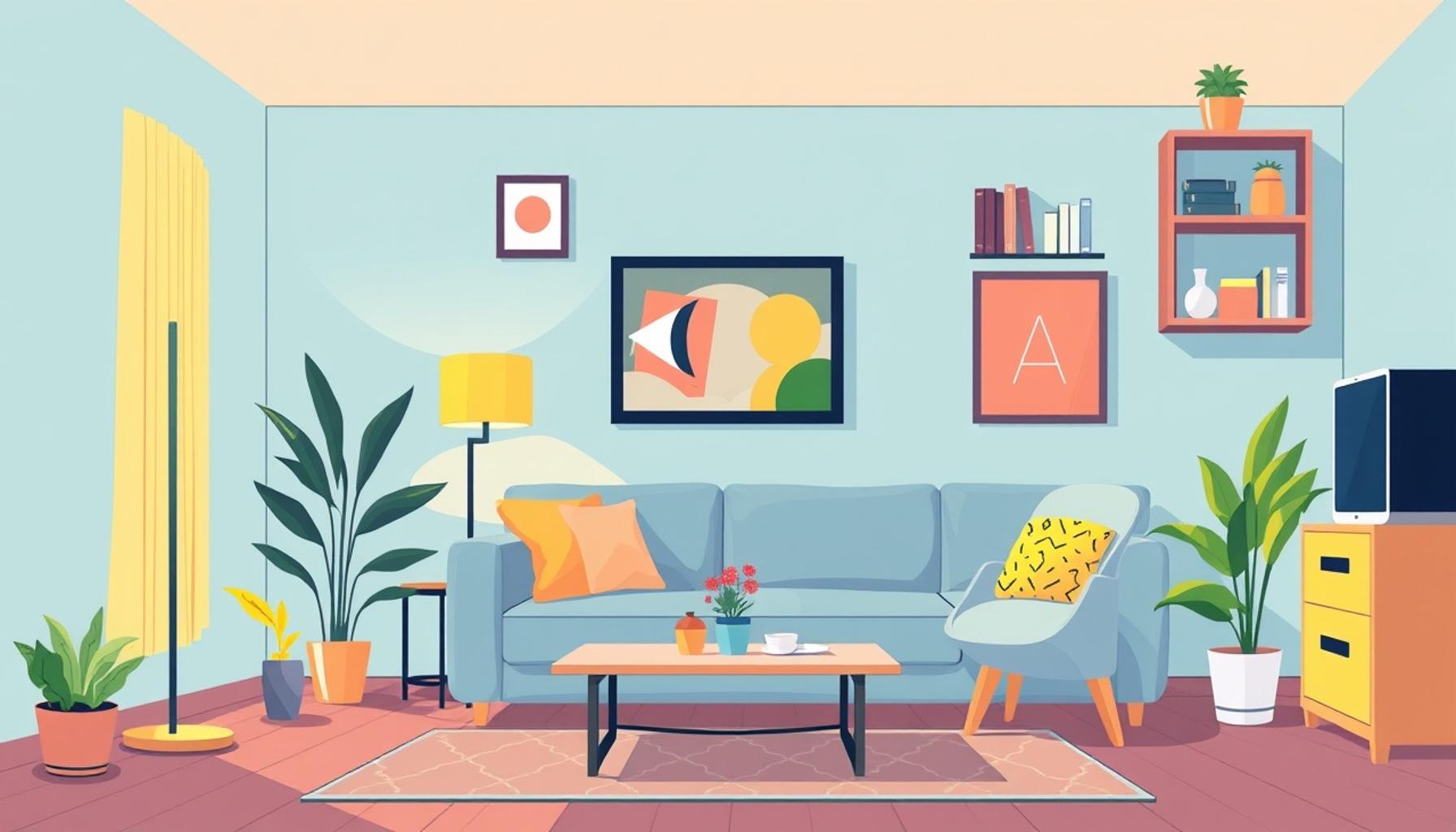
Creating Functional Zones: How Spatial Organization Enhances Productivity in Minimalist Environments
Understanding Spatial Organization
In the hustle and bustle of contemporary life, where distractions come easily and time is a precious commodity, the concept of spatial organization emerges as a vital strategy for optimizing productivity. This practice is particularly effective in minimalist environments, where simplicity and functionality converge to create efficient workspaces. By delineating functional zones within your surroundings, you can profoundly enhance your focus and operational efficiency.
The Importance of Functional Zones
Functional zones act as dedicated areas tailored for specific tasks, thereby playing a crucial role in enhancing productivity. Let’s unpack the benefits of establishing these zones:
- Task Clarity: Each zone is designed for a particular function, such as reading, brainstorming, or administrative work. This separation reduces the tendency to multitask, diminishing the urge to switch between tasks that can lead to inefficiency and stress.
- Enhanced Focus: When you enter a designated workspace, whether it’s a home office corner or a creative nook, your brain receives a signal that it’s time to concentrate. For instance, a study area with a comfortable chair and proper lighting can foster an environment conducive to deep work.
- Efficient Flow: Strategically structured layouts enhance the movement throughout the workspace. For example, placing commonly used tools and resources—like notebooks, pens, and a computer—within arm’s reach can minimize unnecessary interruptions and maximize productivity.
Psychological Benefits of an Organized Environment
The advantages of spatial organization extend beyond mere productivity; they also contribute to mental well-being. Research indicates that well-organized environments can lead to:
- Reduced Stress: A clutter-free space promotes a sense of calm, allowing for greater mental clarity. Studies from institutions like the University of California, Los Angeles, have shown that excessive clutter can lead to elevated stress levels.
- Boosted Creativity: Open and thoughtfully structured environments can stimulate the flow of new ideas and concepts. For example, many tech companies design their offices to include collaborative zones that stimulate creativity and innovation among employees.
- Improved Collaboration: In shared spaces, clearly defined functional zones enhance teamwork by encouraging interaction in dedicated collaboration areas. This is particularly evident in co-working spaces where different zones allow teams to brainstorm or work in solitude when necessary.
Implementing Functional Zones
Exploring the intricacies of spatial organization can significantly impact your productivity. Whether you are a freelancer working from home or an entrepreneur managing a team, understanding how to effectively implement functional zones can transform your daily routine. Start by assessing your space: can a cozy chair in the corner become your reading nook? Does your kitchen table serve as an effective workspace? Small changes can lead to remarkable improvements.
In essence, crafting zones that cater to your specific tasks and utilizing the principles of minimalism not only creates a harmonious workspace but also equips you with the tools needed to thrive in an increasingly demanding world. So, take the plunge into organizing your space—your productivity levels will likely thank you.
DIVE DEEPER: Click here to learn about the psychology of space
Redefining Your Space: The Mechanics of Functional Zones
As we delve into the mechanics of creating functional zones, it becomes clear that the arrangement of our environments can directly influence our productivity levels, especially in minimalist settings. By integrating intentional layouts that prioritize specific activities, we’re not just organizing our physical surroundings but also shaping our behavioral responses and workflow.
Identifying Your Primary Activities
The first step in establishing functional zones is to identify the key activities that dominate your daily routine. By recognizing the tasks that require distinct environments—such as focused work, creative brainstorming, and collaborative discussions—you can begin to map out strategic areas in your space. Here are a few categories to consider:
- Solo Work Zone: This area should prioritize solitude and concentration. It may consist of a comfortable desk setup with ergonomic chairs and optimal lighting to support tasks such as writing or coding.
- Creative Space: Inspirational elements are critical in this zone. Consider integrating soft furnishings, a mood board, or even art supplies to encourage creativity and ideation.
- Collaborative Hub: For those who work with teams, a designated area for collaboration can transform group dynamics. Incorporating seating arrangements that promote discussion and whiteboards for brainstorming enhances collective problem-solving.
Selecting the Right Elements
Once you have a clear understanding of the functional zones required to optimize your performance, the next step is to choose the appropriate elements that will populate these areas. Selecting the right furniture and decor is essential to make these zones both inviting and practical. Here are some tips to guide your choices:
- Minimalist Design: In line with the principles of minimalism, opt for clean lines and neutral colors that promote tranquility and focus. Avoid heavy patterns or furniture that may create visual clutter.
- Multi-functional Furniture: Invest in furniture that serves multiple purposes, such as desks with integrated storage solutions or chairs that can be easily moved for versatility, which maximizes your available space.
- Natural Elements: Incorporating plants or natural light can dramatically alter the atmosphere of a workspace. Research suggests that biophilic design can enhance well-being and productivity, making it another critical consideration in your layout.
Creating functional zones within minimalist environments is not merely about aesthetics; it’s about paving the way for highly productive behaviors and enhancing personal well-being. As these zones cater specifically to your needs, the result is an organized space that encourages efficiency and creativity. Understanding this transformative process lays the groundwork for a harmonious workflow that adapts to your daily life.
The concept of creating functional zones in minimalist environments extends beyond mere aesthetics; it fundamentally reshapes how individuals interact with their workspace. One of the core advantages of this spatial organization is increased focus and concentration. By delineating specific areas for distinct activities—such as a dedicated work zone, a reading nook, and a relaxation space—individuals can mentally associate these zones with particular tasks. This mental separation reduces distractions and fosters a higher level of engagement with each task at hand.
Moreover, the minimalist approach to designing functional zones promotes efficiency and time management. When everything has its designated place, individuals can save countless hours that would otherwise be spent searching for necessary items or shifting between cluttered spaces. In this context, research supports the notion that a well-organized environment significantly reduces cognitive load, allowing individuals to channel their mental energy more effectively into their work. As a result, productivity levels often see a marked improvement.
Another element to consider is the increased potential for creativity and innovation. Spaces that are thoughtfully organized not only support productivity but also allow the mind to wander freely. This is crucial in creative fields where brainstorming and idea generation are essential. By creating zones that serve as inspiration hubs, individuals can stimulate their creative thoughts without the suffocating weight of disorganization. This leads to a more dynamic and enjoyable workspace experience.
Ultimately, the power of functional zones lies in their ability to transform our environments into supportive backdrops that enhance our daily lives—creating a balance between work and leisure, focus and freedom. As more people gravitate towards minimalism, understanding the principles of spatial organization will become increasingly essential for maximizing productivity.
DISCOVER MORE: Click here to learn about the impact of organization on mental well-being
Establishing Boundaries: The Importance of Physical and Psychological Separation
Once functional zones have been defined and equipped, the next critical step involves establishing boundaries that allow these spaces to serve their intended purposes effectively. In minimalist environments, where every square inch counts, creating both physical and psychological distinctions can greatly influence workflow and concentration levels.
Physical Boundaries: Using Space Strategically
Physical boundaries are essential in delineating each functional zone from one another. This can be achieved through the clever use of furniture arrangements, rugs, or even plants to create visual separations without the need for walls. For instance, placing a large bookshelf between your Solo Work Zone and Collaborative Hub can not only provide an aesthetic appeal but also reduce noise distractions. Here are some strategies to consider:
- Furniture Orientation: Position desks and seating in a way that naturally directs focus. For instance, facing a window while working solo can harness natural light, while a circular seating arrangement in the collaborative space fosters inclusivity.
- Zone Incorporations: Use partial dividers like open shelving or curtains that can be drawn to create a separation when needed, thus transforming open spaces into distinct areas.
- Defined Pathways: Establish clear pathways that guide movement through your space, enhancing flow and making it easier to transition between different zones throughout the day.
Psychological Boundaries: Mental Associations and Routines
While physical separations create clear zones, psychological boundaries help solidify the transitions between different types of work. Humans are creatures of habit, and establishing distinct routines associated with each area can enhance productivity by triggering specific mental states. Consider these psychological strategies:
- Habit Formation: Spend some time in each zone adopting the intended activities. For example, make it a habit to start your day in the Solo Work Zone to tackle emails or plan your tasks. This establishes a mental cue that signals focus.
- Visual Cues: Decorate each zone with distinct motifs linked to specific tasks. For instance, a wall photo of a favorite artist might reside in your Creative Space, sparking creative thoughts, while a simple calendar may dominate the dedicated work area.
- Regular Breaks: Encourage movement between zones with scheduled breaks. Transitioning from the Collaborative Hub to the Solo Work Zone every couple of hours offers mental refreshment and promotes a sustained focus.
By strategically defining both physical and psychological boundaries within minimalist environments, you cultivate an adaptive workspace that reinforces productivity. As numerous studies have indicated, a well-organized space which outlines clear zones can lead to increased creativity and improved task performance. This practice is not merely a personal endeavor; the adoption of such systems is becoming increasingly significant in larger organizational settings, signaling a shift towards the use of space as a leading strategy in modern workforce dynamics.
Understanding how to effectively create and maintain these boundaries can ensure that your minimalist workspace operates at maximum efficiency, allowing you to thrive in today’s fast-paced world.
DISCOVER MORE: Click here to learn about the effects of organization on mental health
Conclusion: Maximizing Productivity Through Thoughtful Spatial Design
In conclusion, the art of creating functional zones within minimalist environments is not only about aesthetics, but about fostering a systematic approach that enhances productivity. By establishing clear physical and psychological boundaries between workspaces, individuals can harness the potential of their surroundings to optimize focus and creativity. The strategic arrangement of furniture, as well as the use of visual cues, can transform a single space into a dynamic hub suited for diverse tasks.
Effectively defining functional zones can cultivate a sense of purpose within each area, allowing transitions between different modes of work to feel seamless and invigorating. Whether transitioning from a Solo Work Zone to a Collaborative Hub, individuals can benefit from the ritualistic cues associated with each space. With evidence supporting this approach, organizations and remote workers alike are prioritizing spatial organization as a key factor in optimizing productivity.
This essential practice is particularly relevant in today’s fast-paced world, where maintaining focus amidst distractions is increasingly challenging. By investing time into creating and maintaining well-structured functional zones, you can enhance not only personal efficiency but overall workplace dynamics. As this trend continues to gain traction, it invites further exploration into innovative solutions that leverage spatial organization to adapt to the ever-evolving needs of the modern workforce. Embrace the minimalist mindset, and let the power of well-defined spaces propel you towards unprecedented levels of productivity.
Related posts:
The Importance of Natural Light in Optimizing Minimalist Spaces
Maximizing Small Spaces: Space Optimization Techniques in Minimalist Apartments
Creating Zen Environments: Space Optimization Strategies for a Minimalist and Cozy Home
Smart Storage: Creative Solutions to Make the Most of Every Inch of Space at Home
The Art of Letting Go: How Personal Organization Contributes to Spatial Efficiency
The Role of Colors in the Perception of Spaces and in the Practice of Minimalism

Beatriz Johnson is a seasoned digital lifestyle strategist and green tech writer with a passion for demystifying sustainable technology and eco-conscious living. With over a decade of experience at the intersection of innovation and sustainability, she specializes in topics like smart home solutions, renewable tech applications, and global trends in green digitalization. Through her work on our platform, Beatriz empowers readers to make informed choices about adopting planet-friendly technologies while optimizing their digital lives for both efficiency and environmental impact.