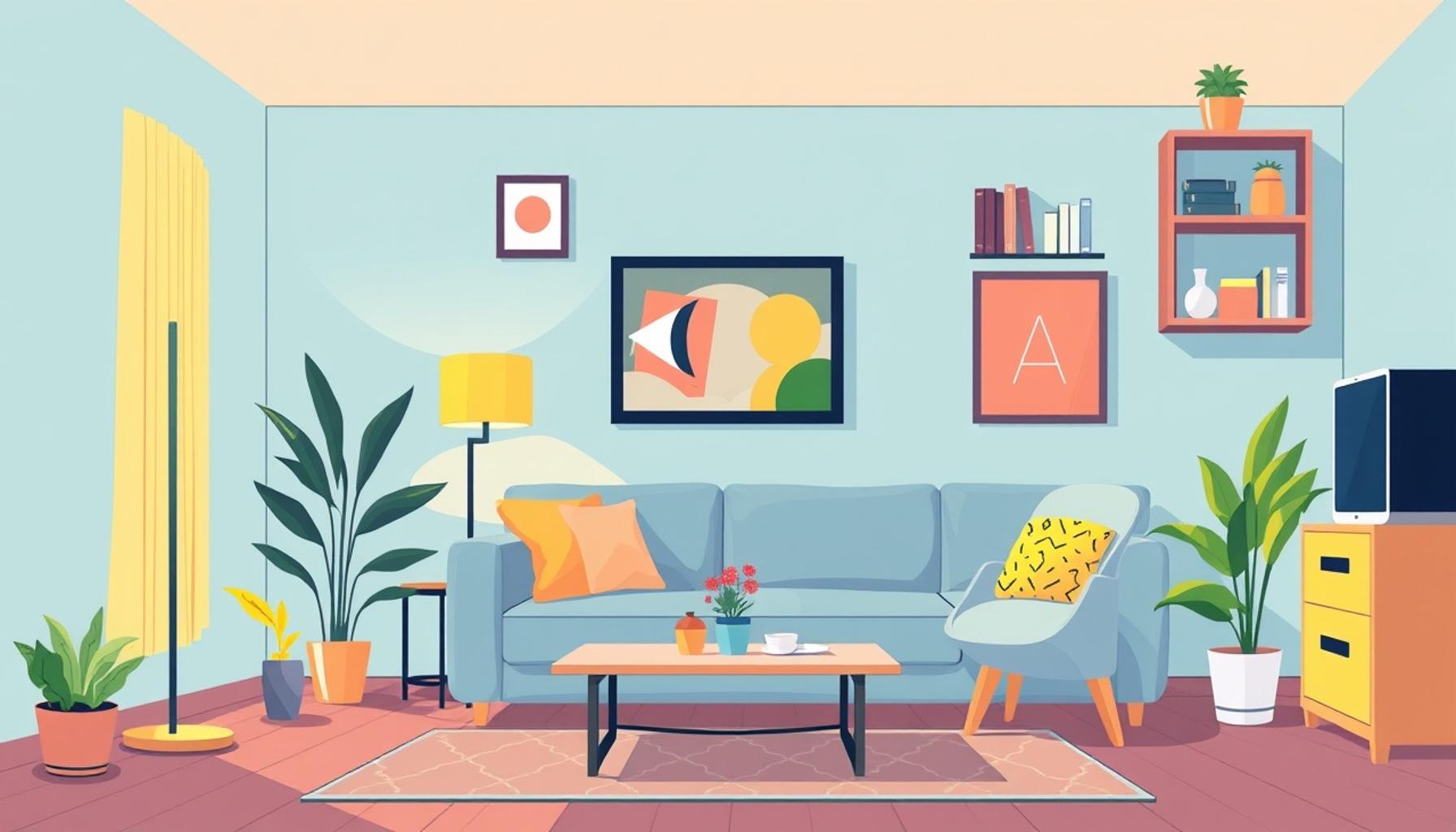
The Art of Letting Go: How Spatial Organization Can Transform Your Minimalist Lifestyle

Embracing a New Way of Life
Are you overwhelmed by clutter in your living space? Many individuals face this challenge, often without realizing the profound effect spatial organization can have on their lives. The journey to minimalism begins with the art of letting go. The process is not just about cleaning out your closet or organizing your garage; it’s fundamentally about building a lifestyle that prioritizes simplicity and meaning.
Understanding Minimalism
A minimalist lifestyle is more than just trendy decor; it’s a mindset. It encourages individuals to examine their possessions and consider what truly brings joy and value to their lives. Below are key concepts that drive this philosophy:
- Clarity: A clear space promotes a clear mind. When surfaces are uncluttered and your environment is organized, it naturally leads to improved focus and clarity in thoughts. Some studies even suggest that a clean environment can boost creativity.
- Intentionality: Every item should serve a purpose. In a minimalist approach, each possession is evaluated for its significance. This idea can extend beyond just physical objects; it can influence how you allocate time for various activities, ensuring that each serves a meaningful role in your life.
- Freedom: Less clutter leads to less stress. The weight of excessive belongings can feel suffocating. By embracing minimalism, many people report feeling a sense of liberation as they shed items they no longer need, allowing for a more flexible, carefree lifestyle.
The Impact of Spatial Organization
How does organizing your space transform your life? Consider the following benefits:
- Enhanced Focus: Fewer distractions lead to increased productivity. For instance, a study by the Princeton University Neuroscience Institute showed that clutter can overload the senses, making it harder to focus on tasks at hand. Organizing your workspace can significantly improve your capacity to work and create efficiently.
- Improved Well-being: A tidy environment helps reduce anxiety. The visual distraction of clutter can add to the general stress of modern life. A clear space often fosters a sense of calm and routine, which is especially beneficial in our fast-paced world.
- Increased Space: Efficient organization allows for better use of your living areas. With clever storage solutions and smart decluttering techniques, you reclaim valuable square footage in your home, making it feel more open and inviting.
Discovering the harmony of minimalism through effective spatial organization can be a transformative experience. It’s not merely about reducing possessions; it’s about creating a lifestyle that aligns with your values and priorities. This guide will walk you through the essentials of letting go, revealing how a decluttered space can lead to a more intentional and fulfilling life. As you embark on this journey, you may find that the process of decluttering allows for profound self-discovery and a reevaluation of what truly matters, ultimately fostering a healthier and more satisfying existence.
LEARN MORE: Click here to dive deeper
Embracing the Minimalist Mindset
At its core, the concept of minimalism is about making conscious choices regarding what we allow into our lives. This starts with assessing the items we own and understanding their value. By embracing the art of letting go, individuals can begin an intentional journey towards a more organized and fulfilling lifestyle. This process requires awareness, self-reflection, and a commitment to change.
The Journey Begins with Reflection
Before diving into the physical act of decluttering, it’s essential to reflect on your motivations. What drives you to pursue a minimalist lifestyle? Is it the mental clarity that comes with space? The desire to reduce stress? Or perhaps the quest for a simpler, more manageable life? Pinpointing these motivations can provide a framework for your journey. Additionally, consider implementing these strategies:
- Journaling: Documenting your thoughts and feelings about your belongings can help clarify why certain items are meaningful or burdensome. This act of writing can help you identify emotional attachments that may be holding you back.
- Setting Goals: Establishing concrete goals for decluttering can motivate you to take action. Whether it’s aiming to clear one room or a specific number of items each week, having targets can keep you accountable.
- Visualizing the End Goal: Imagine your ideal living space—how it feels, looks, and functions. This vision can serve as a powerful motivator as you navigate the process of letting go of superfluous items.
Strategic Decluttering Techniques
Once you’ve initiated the reflective stage, the next step is to tackle the physical space around you. Effective spatial organization involves strategic decluttering, which can include the following techniques:
- The Four-Box Method: Label four boxes as “Keep,” “Donate,” “Sell,” and “Trash.” As you go through your belongings, categorize each item, which streamlines the decision-making process.
- One In, One Out Rule: To maintain a clutter-free environment, adopt the philosophy that for every new item you bring into your home, one item must go out. This creates an ongoing cycle of evaluation and prioritization.
- Digital Decluttering: Remember that decluttering goes beyond physical items. Organizing digital spaces—such as emails, files, and photos—is equally important for achieving clarity and minimalism.
By implementing these strategies, you will begin to see a transformation not only in the physical space surrounding you but also within your mindset. The act of letting go encourages a more intentional relationship with your belongings, promoting a sense of calm and purpose in everyday activities. Understanding how spatial organization can enhance life quality is crucial in this journey toward minimalism, paving the way for a more meaningful existence.
| Advantages | Key Insights |
|---|---|
| Enhanced Clarity | Spatial organization reduces clutter, allowing for a clearer mind and increased focus on what truly matters. |
| Improved Efficiency | A well-organized space can lead to better time management and productivity, making daily tasks more manageable. |
| Emotional Well-being | Decluttering your environment may lead to a sense of relief, reducing stress and anxiety linked to overwhelming surroundings. |
| Creative Inspiration | A minimalist space often fosters creativity and inspiration, providing a blank canvas that can ignite new ideas. |
In addition to these advantages, embracing the art of letting go and transforming your lifestyle through spatial organization entails a pivotal shift in one’s mindset. It encourages not only physical but also mental decluttering, which can be a powerful catalyst for personal growth. By surrounding oneself with selected items that spark joy, individuals often find themselves drawn to a more intentional way of living, making mindful purchasing decisions that align with their values. The journey toward minimalism is much more than a trend; it’s a fundamental lifestyle overhaul that invites tranquility and purpose. Engaging actively in organizing spaces can reap profound benefits, directing attention to how each element within the home serves a purpose while cultivating a serene living environment that echoes the minimalist philosophy.
Dive Deeper: Click here to uncover the impact of organization on your mind
Creating a Sanctuary Through Spatial Organization
After understanding the core principles of minimalism and implementing strategic decluttering techniques, the next phase is transforming your space into a sanctuary that promotes serenity and focus. Spatial organization is not merely about reducing clutter; it is about creating an environment that supports a minimalist lifestyle. Thoughtful arrangement of your belongings can lead to significant changes in both your living space and your state of mind.
Spatial Planning for Optimal Functionality
To harness the power of spatial organization, consider the functionality of each area within your home. Assess how spaces are utilized, and make adjustments accordingly. For example, if you typically find yourself overwhelmed in the kitchen, evaluate the arrangement of your tools and ingredients. By organizing frequently used items within reach and creating zones for different activities, you can elevate your culinary experiences while minimizing frustration.
Moreover, consider the psychology of layout. The Feng Shui approach emphasizes creating harmony through space arrangements. By ensuring that pathways are clear and that items are placed mindfully, you not only enhance the flow of energy in a room but also create a conducive environment for productivity and relaxation.
Utilizing Multi-Functional Furniture
Another essential aspect of spatial organization in a minimalist lifestyle is the judicious selection of furniture. Multi-functional pieces can serve multiple purposes, significantly reducing the quantity of items required. For instance, a sofa bed can provide an area for relaxation during the day and function as a guest bed at night. Similarly, ottomans with storage capabilities can hide away blankets and books while serving as practical seating solutions.
Integrating multi-functional furniture not only saves space but also encourages a seamless flow throughout your home. Emphasizing a clean, uncluttered aesthetic, such pieces contribute to a sense of order that resonates well with the minimalist lifestyle.
The Power of Zones and Decluttered Surfaces
Creating distinct zones within your home can greatly enhance spatial organization. For example, designating areas for work, relaxation, and hobbies can help maintain focus and minimize distractions. Using visual dividers, such as bookshelves or decorative screens, can tactically separate these zones while preserving an open, airy feel.
Furthermore, keeping surfaces clear is vital for a serene environment. Regularly evaluate items on countertops, tables, and shelves, ensuring that they serve a purpose or bring joy. Achieving a balance between aesthetic appeal and practicality will be key in nurturing a minimalist mindset.
Beyond the Home: Sustainable Practices as Part of Spatial Organization
Spatial organization transcends the walls of your home and can be applied to the lifestyle choices you make. Embracing sustainable practices aligns with minimalism by reducing the need for excess consumption. For example, opting for products with minimal packaging or embracing a zero-waste approach can significantly reduce clutter at home and lessen your environmental footprint.
This connection between sustainable practices and minimalism fosters a lifestyle that values the essence of items over their quantity. By letting go of the notion that more is better, you can cultivate a deeper appreciation for both your surroundings and the natural world.
Maintaining an organized and minimalistic environment is an ongoing process that requires dedication and adaptability. As you refine your spatial organization skills, you may discover that letting go of the non-essential is, in fact, the key to unlocking both physical space and inner peace.
DISCOVER MORE: Click here to learn about the importance of organization and minimalism on mental health</p
Conclusion: Embracing a Transformative Minimalist Journey
In a world overwhelmed by excess, mastering the art of letting go through spatial organization emerges as a vital practice for achieving true minimalism. The journey begins with clear awareness and intentional decluttering, allowing individuals to assess their environments and let go of what no longer serves them. By implementing thoughtful arrangements and designating functional zones within your home, you can cultivate a serene sanctuary that promotes mental clarity and emotional well-being.
Multi-functional furniture plays a crucial role in maximizing the potential of your spaces, while clear surfaces enhance the visual harmony of your surroundings. However, the impact of spatial organization transcends the physical realm; it extends to our lifestyles and choices, advocating for sustainability and conscious consumption. By embracing eco-friendly practices, we not only reduce clutter but also foster a stronger connection to our environment.
Ultimately, the transformation brought on by effective spatial organization can unlock new levels of productivity and joy. As you embark on this minimalist journey, remember that every item you choose to keep carries significance, and every decision shapes your living experience. Embrace the process, allowing the simplicity of your home to reflect the beauty of a clear mind. In letting go, you may discover the essential truth of minimalism: sometimes, less truly is more.
Related posts:
Maximizing Small Spaces: Space Optimization Techniques in Minimalist Apartments
Sustainable Lifestyles: The Intersection of Minimalism and Space Optimization in Ecological Environm...
Creating Zen Environments: Space Optimization Strategies for a Minimalist and Cozy Home
The Importance of Natural Light in Optimizing Minimalist Spaces
Functional Organization: How Minimalism Can Transform Your Workspace
The Art of Letting Go: How Personal Organization Contributes to Spatial Efficiency

Beatriz Johnson is a seasoned digital lifestyle strategist and green tech writer with a passion for demystifying sustainable technology and eco-conscious living. With over a decade of experience at the intersection of innovation and sustainability, she specializes in topics like smart home solutions, renewable tech applications, and global trends in green digitalization. Through her work on our platform, Beatriz empowers readers to make informed choices about adopting planet-friendly technologies while optimizing their digital lives for both efficiency and environmental impact.